Click image to open full size in new tab
Article Text
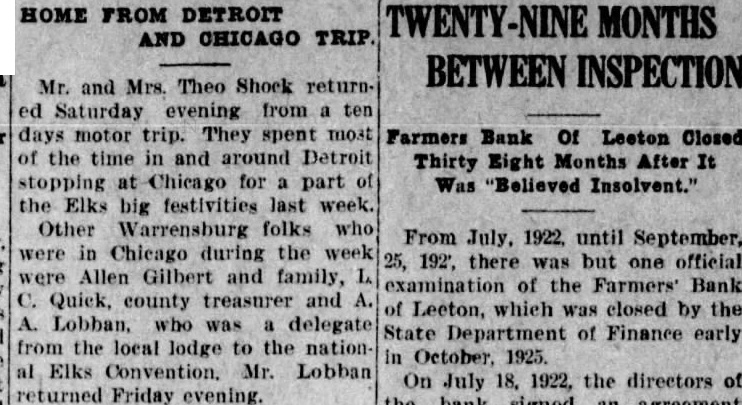
made with Hughes, then State Finance pledging themselves as personally responsible for the obligation of the bank, which under the terms of theagreement was to be permitted to continue business, although "believed to be insolvent" by the Finance Commissioner. According to Mr. A. C. Martin, present deputy in the office of E. French, Finance Commissioner there was no examination of the bank following the agreement which appeared in full in Thursday's Star-Journal until April, 1923, nine months after the signing of the agreement. and then the state department failed to send an ex aminer to the bank, until late in September. 1925, few days before the institution was closed. Thus, two years and five months passed. following the April, 1923, examination without the state department having any information to the bank's condition, except the reports furnished on the official call, and we have from the department itself, through telephone communication with Mr. Martin that in the first nine months following the agreement there was sent the department to Indicate that the terms of the contract were being complied with. It is probable that an Investigation will be instituted to determine the extent of the negligence shown by state officials and what manner the ried out. Mr. Hughes, who was Finance Commissioner at that time, has been succeeded by Mr. Millspaugh and Mr. French, but the records supposed to be intact. and may be thoroughly investigated.
The Farmers Bank of Leeton operated from July 18. 1922, until Oetober 1925, despite the fact that state officials "believed the bank to be in an insolvent condition," on the strength of an agreement signed by the directors, which purported to guarantee all assets and Habilities of the bank. Now comes prominent attorney of this city, who does not desire to have his name mentioned, with the information that the agreement was absolutely void and of no value far as protection goes to the depositors, "This agreement, am confident" said the attorney. "would not stand up in law for there is no consideration, and the courts have ruled that without consideration agreement is void. In other words the directors received no consideration in return for such sacrifice on their part, except that the bank was permitted to continue to do business. This against public policy and feel certain would not stand the test It was recited to the attorney that possibly the right to continue to do business in hope of saving the capital stock of the Institution, which usually is complete loss of failure, might be recognizconsideration. The attorney replied to this question by saying that this in all probability could not be termed since it protected alike. Should of this attor. be correct, and he declares ney can present laws showing he depositors of the now funet bank were not given the tection usually afforded by State Finance department. The general public would doubtedly be greatly interested "probe" which would tend fair and proper share sibility for permitting vent bank to remain three years, upon the condoned such the
Miss few days