Article Text
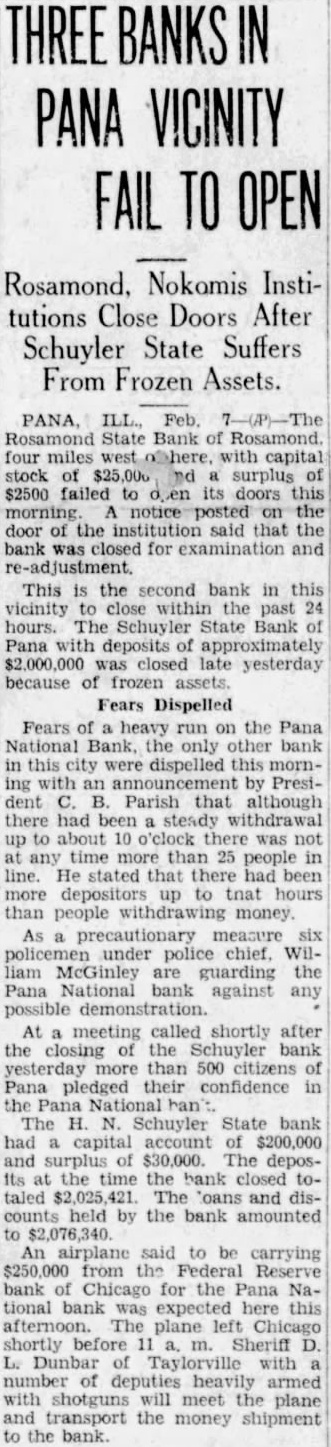
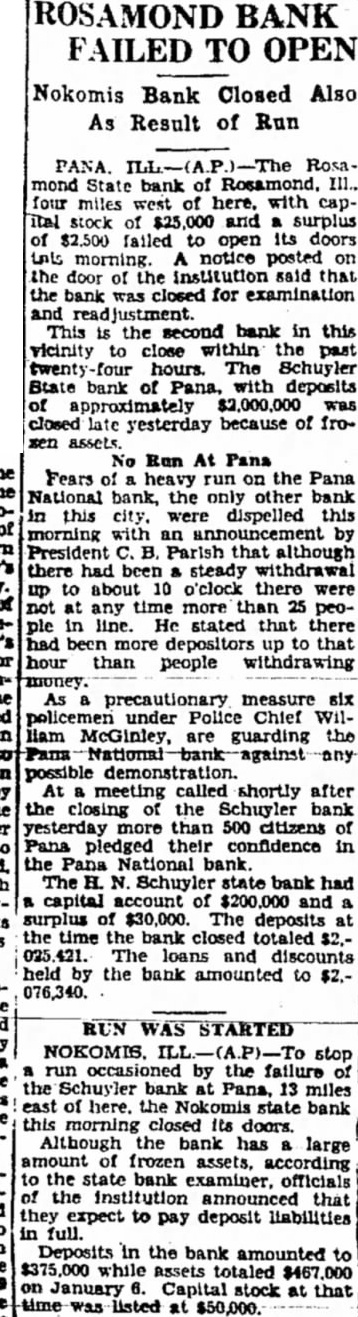
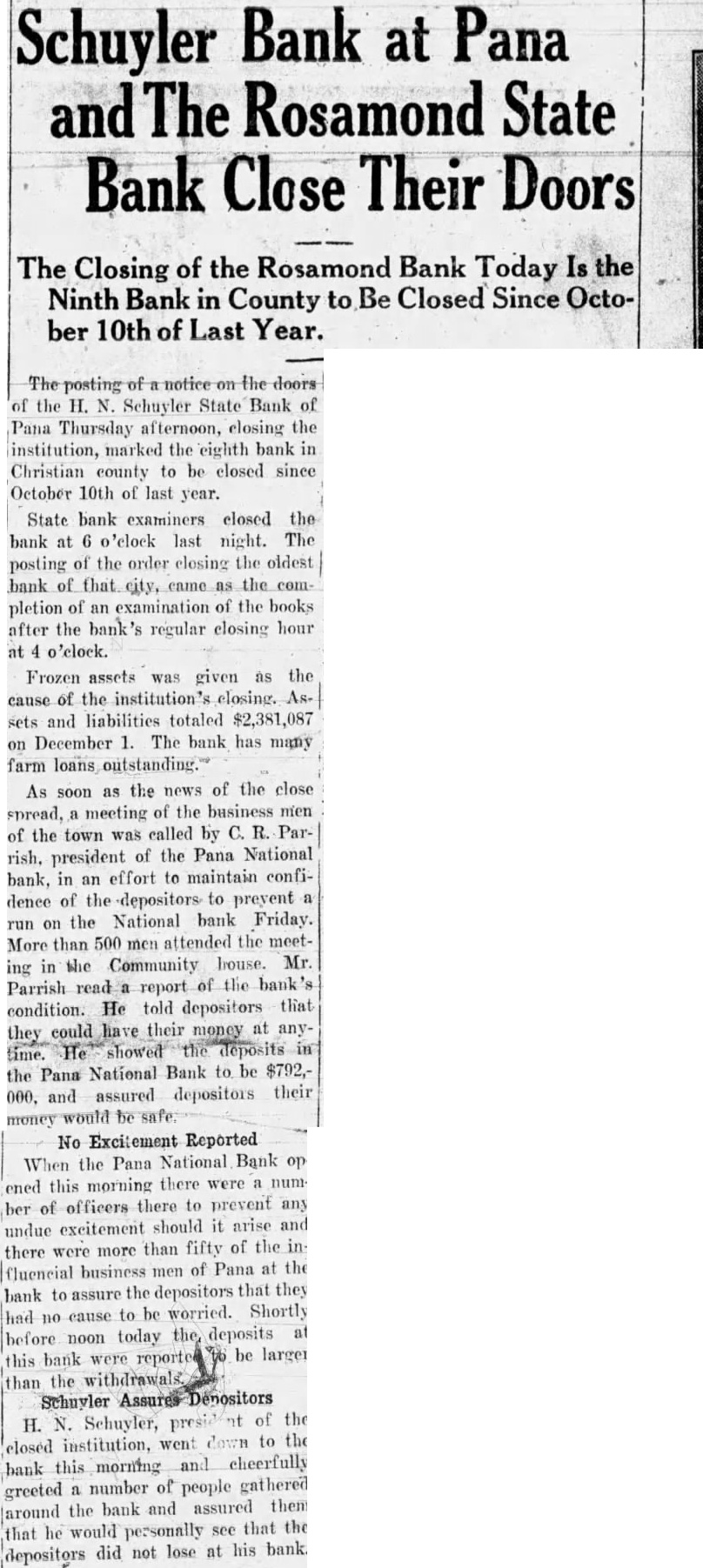
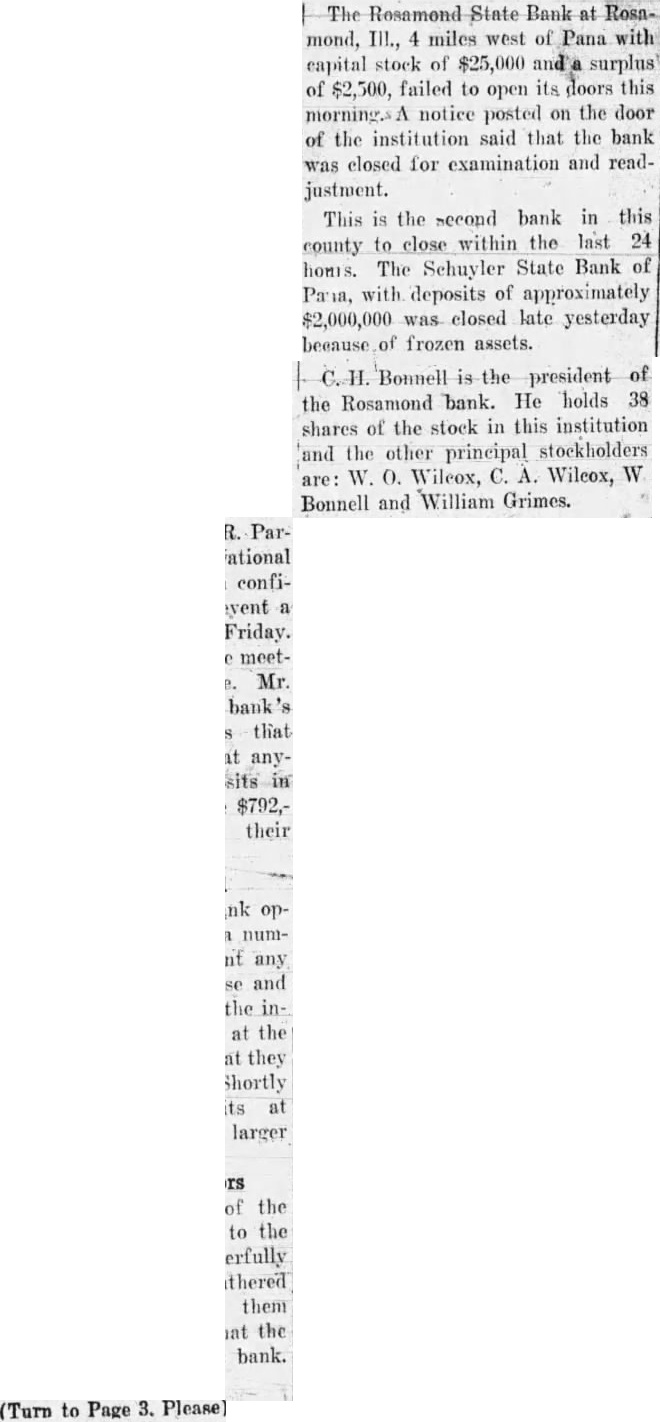
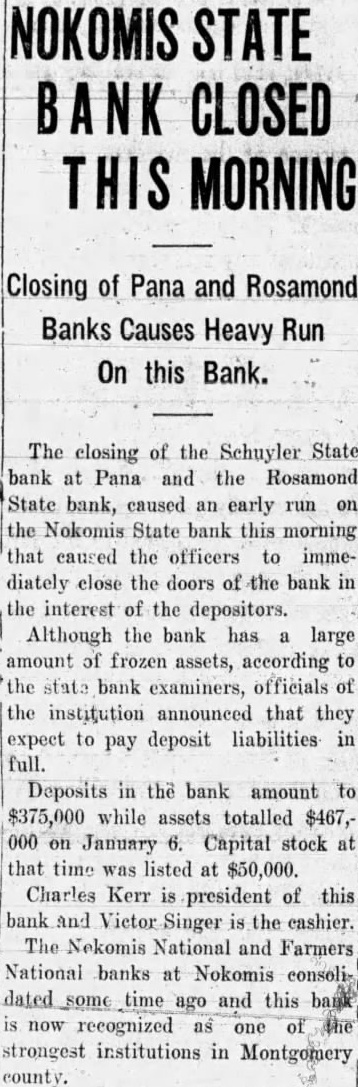
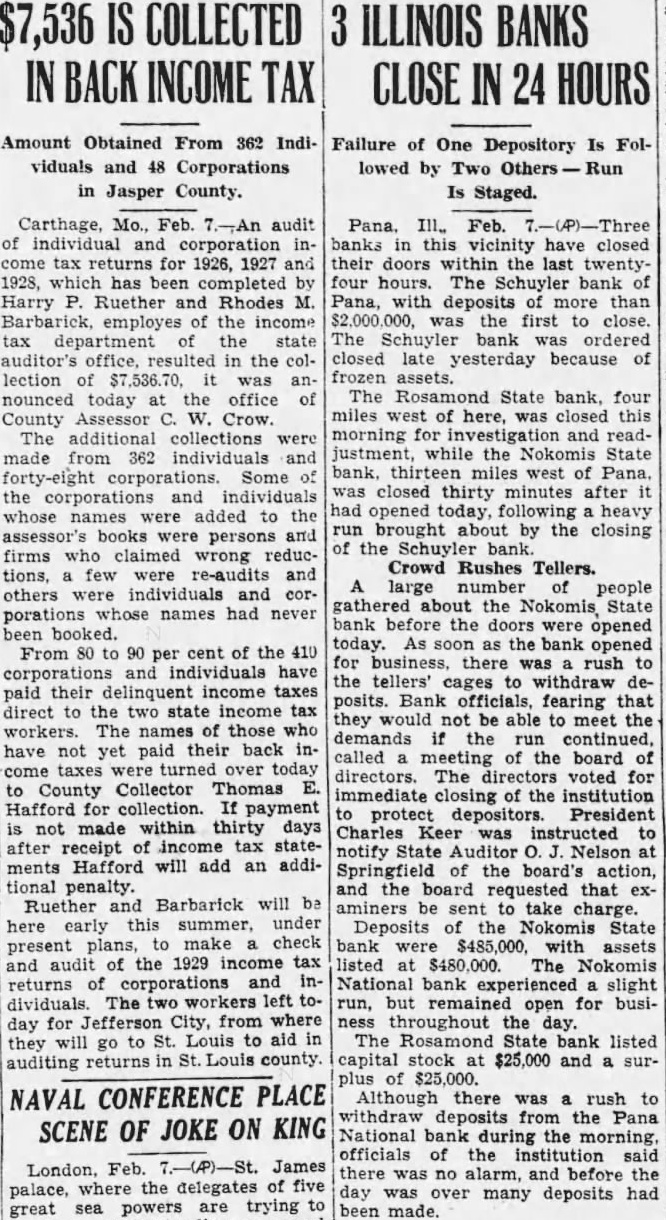
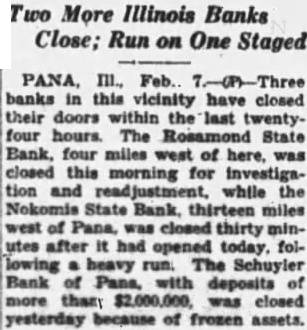
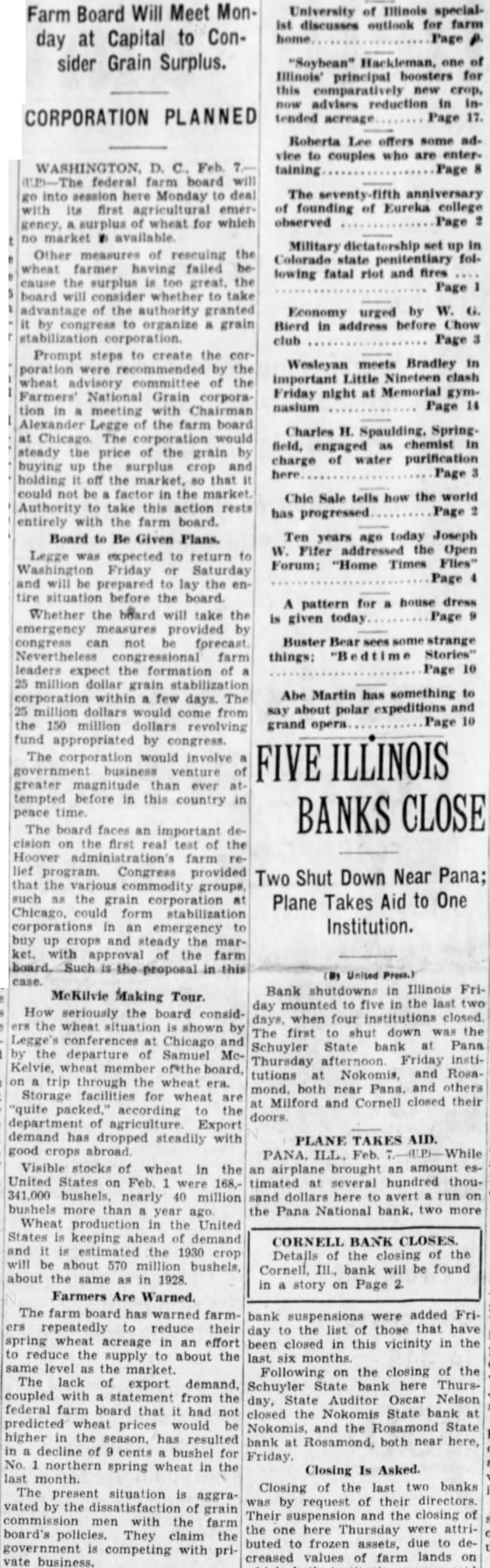
Farm Board Will Meet Monat Capital to Conday sider Grain Surplus. CORPORATION PLANNED federal farm board into Monday deal its first emerwheat for which market Other of rescuing wheat farmer failed cause the surplus the board consider of the authority by to organize grain Prompt steps to create the wheat committee the Farmers' National Grain tion meeting with Chairman Legge the board Chicago The would steady the price the grain buying up surplus and holding off the market, that could be in the market. Authority take this action rests entirely the farm board. Board to Be Given Plans. Legge expected return Friday lay the situation before the Whether board will take the measures provided congress be forecast. congressional farm leaders expect the formation of million stabilization few days. The million would come the 150 million dollars fund appropriated by congress. The corporation would involve government greater magnitude than tempted before in this country peace time. The board faces an important cision the first real of the Hoover farm program. Congress provided the groups, the grain stabilization crops and steady the with the farm Bank shutdowns Illinois FriMcKilvie Making Tour. mounted five in the day How seriously the board considwhen four institutions closed. wheat shown The first shut down the conferences Chicago Schuyler State bank Pana departure of Samuel Thursday afternoon Friday instiboard, tutions Nokomis, and Rosatrip through the wheat era. mond. both near Pana. and others facilities for wheat Milford and Cornell closed their "quite according the agriculture Export demand has dropped steadily with PLANE TAKES AID. Feb. Visible of wheat in the brought amount United States on Feb. several 168,bushels nearly 40 million here bushels more the Pana National bank. two more Wheat United States keeping demand CORNELL CLOSES. and the crop the the 570 Cornell, Ill., bank will be found about the as in 1928. story on Page Farmers Are Warned. The board warned farm added bank suspensions were repeatedly reduce their the list of those that day wheat acreage in an effort closed in this vicinity in the been reduce the supply about the six level the market. the Following on the closing The lack demand, export Schuyler State here Thurscoupled from the Auditor Oscar Nelson day, federal board that had not closed the Nokomis State bank would Nokomis, and the State higher in the has resulted here, bank Rosamond, both near decline of cents bushel for Friday. No. spring wheat in Closing Is Asked. Closing of the banks situation aggrarequest of their directors vated by the grain Their the closing of with the farm here Thursday were board's policies. They claim the buted frozen assets, to government competing with pricreased values farm lands vate business.