Click image to open full size in new tab
Article Text
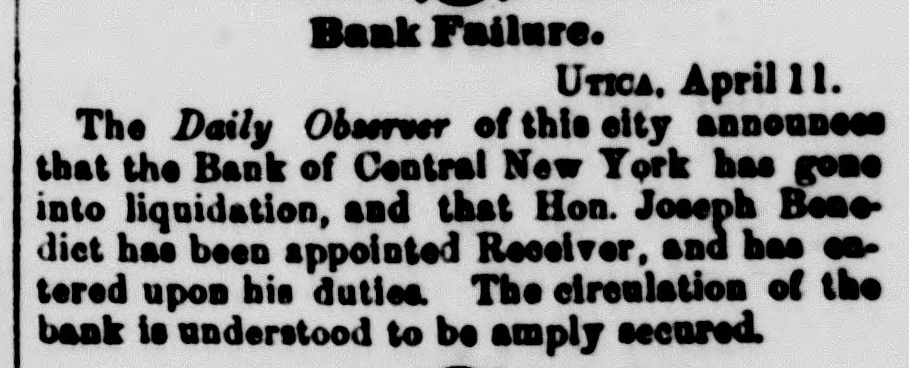
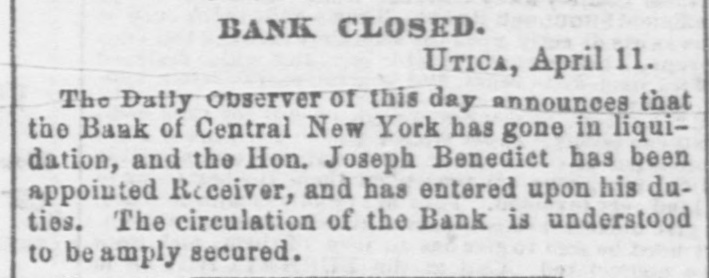
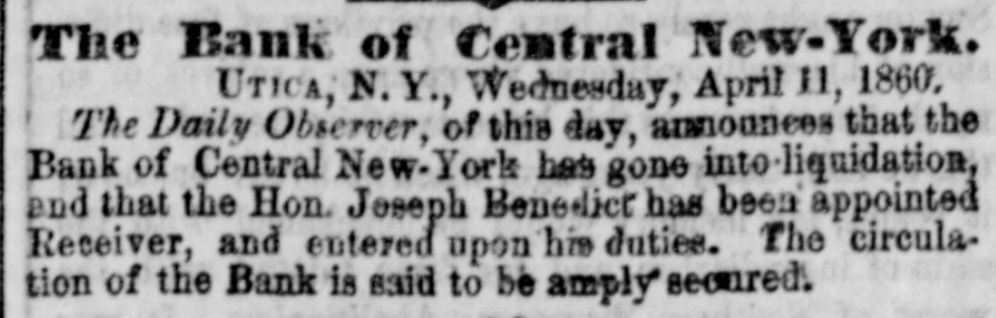
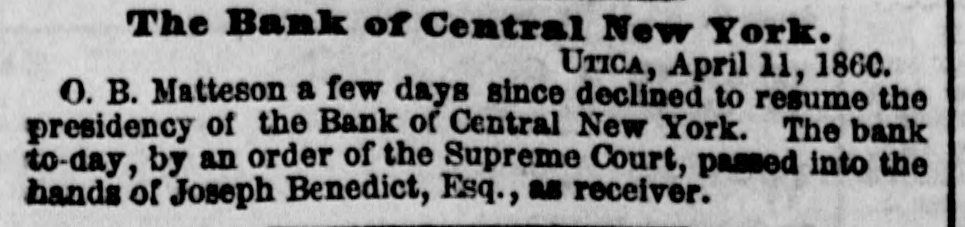
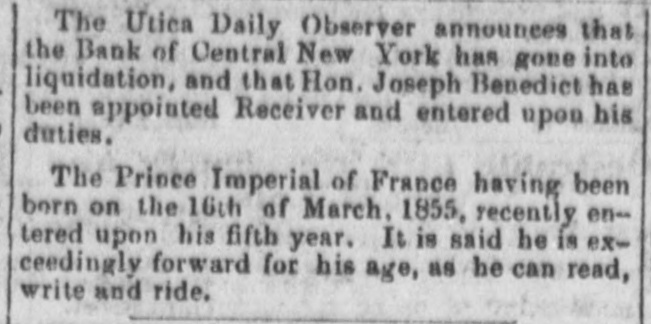
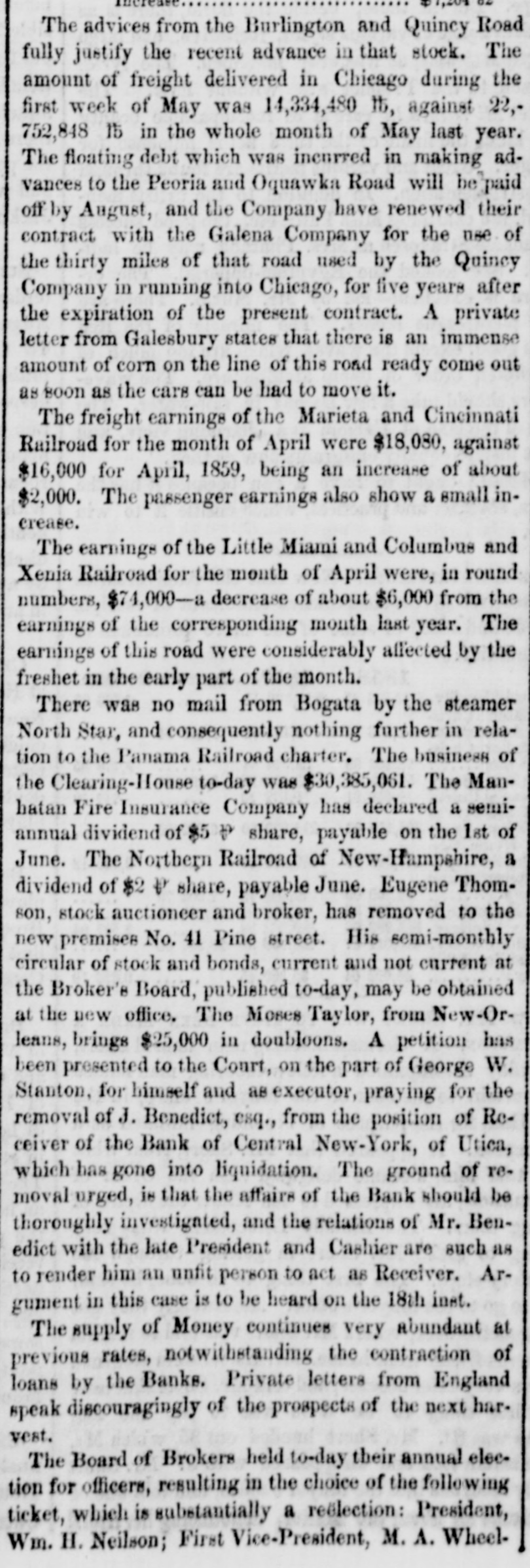
Datest Dews. Counterfeit 5's on the Bull's Head Bank, of the city of New York, are just put in circulation, and counterfeit 3's on the Leather and Manufacturer's Bank were recently put afloat. The three papers at Portland, Oregon, are but for Douglas and Johnson. Chinamen are arriving at San Francisco in great numbers. Over 7000 have arrived there within the last three months. A large and enthusiastic Douglas ratification meeting was held in Milwaukee, on Thursday night last. Over 15,000 people assembled, and there were 3,000 torches in the procession.Bands of music, transparencies and brilliant fire works added to the splendor of the occasion. Eloquent speeches were made, and the Democracy pledged themselves to give the vote of Wisconsin for Douglas. They will do it, too. The returns of the Missouri election foot up as follows: For the Legislature, 36 Douglas Democrats, 20 Bell men, 18 for Breckinridge, 12 Republicans. Hon. C. F. Jackson, Douglas Democrat, has 10,000 majority for Governor 'over Orr, his highest opponent. Three persons have been bitten by a mad dog at Peoria, Illinois, within a week. During a rain storm of twenty-four hours, in Philadelphia, on the 13th, 6.005 inches of wa 'ter fell. Indianopolis, Ind,, had a $15,000 fire on Friday. The Virginia Democratic State Convention, held at Staunton, last week, adopted resolutions inviting Mr. Douglas to visit Virginia. They 'reaffirmed the National platform, and declared Douglas and Johnson the regular nominees of the perty. Three convicts escaped from the State Prison 'at Jefferson, Mo., on Friday last. Counterfeit 5's on the Lime Rock Bank, of Providence, R. I., are in circulation. Senator Douglas had a public reception at Portland, Maine, on the 17th, and he made a lengthy speech. It is reported that Brady, the B. B. B. candidate for Governor of New York, will resign. Jno. S. Mason, Judge of the Superior Court of New York city, died on Thursday evening. The excitement in Texas still continues.One man has been hung for giving strychnine to the sluv to put in wells to poison their masters. Another minister has been hung for inciting the slaves to insurrection. The rumored withdrawal of Breckinridge is denied by the Louisville Courier, but the fact that if he remains on the course it will prove his final ruin, and that the Constitution. his organ at Washington, is silent on the subject, are very good reasons for supposing that his with drawal is simply a matter of time. That he will be wholly off the track before election we have no doubt. Yellow fever is raging among both natives and foreigners at Porto Rico. A Mrs. Tucky hung herself at a water-cure establiphment in N. Y. City on Sunday. Speaker Pennington declines a re-election to Congress. Capt. Davenport of the G. T. R. Ferry was accidentally killed at Port Sarinac, C. W., on Monday. Two persons were killed by the collision on the Carrolton R. R., on Sunday night. Gordon, the murderer, who escaped from the Vigilance Committee at Denver City, is now in custody of the Marshal. Advices from Honduras announce that Gen. Walker has gone to Swan Island. The schooner Clifton and cargo, part of his expedition. had been seized by the British authorities at Belize. Walker is reported as preparing for a descent upon Costa Rica or Nicaragua. Yellow fever was terribly fatal at Belize. On Sunday evening in Georgetown, Del., the daughter of Zachariah Griffith, a respectable farmer, was outraged and beaten to death by a mulatto boy eighteen years old. He is arrested. Counterfeit 5s on the Saugertuck Bank, Westport, Ct., are in circulation. A dispatch to the Herald states that it is annnouced in Washington that Douglas & Johnson will continue on the stump until the election, the former South and West, the latter East as far as Maine. Douglas speaks at Nortolk, Va., next Friday. It is also announced that Leslie Combs and Ex-Gov. Morehead, of Ky., are coming North on a stumping tour. Last Friday night at Cincinnati, Chas. R. Brown, U.S. Commissioner, was shot dead by Geo. J. Caldwell, of the firm of Alfred Wood & Co. For several months past, bad feeling has existed between the parties in regard to the adjustment of a legal claim. Brown called at Caldwell's house at night, forced his way into Caldwall's private chamber. when a scuffle ensued, and Caldwell shot Brown through the body. He immediately surrendered himself to the authorities. The Bank of Central New York, Utica, has been placed in the hands of a receiver, and the Bank of Corning and the Onondaga County Bank. N. Y., are closing up their affairs.