Click image to open full size in new tab
Article Text
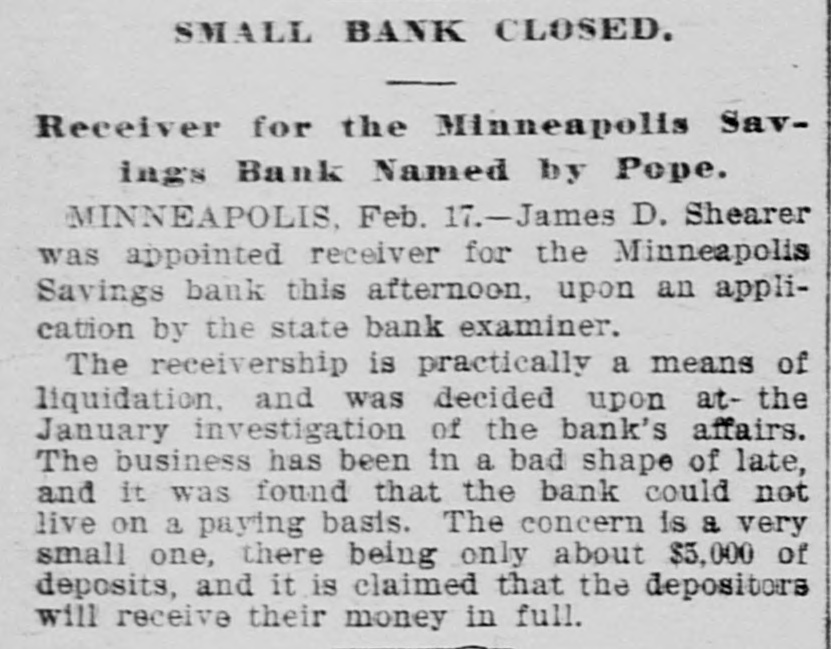
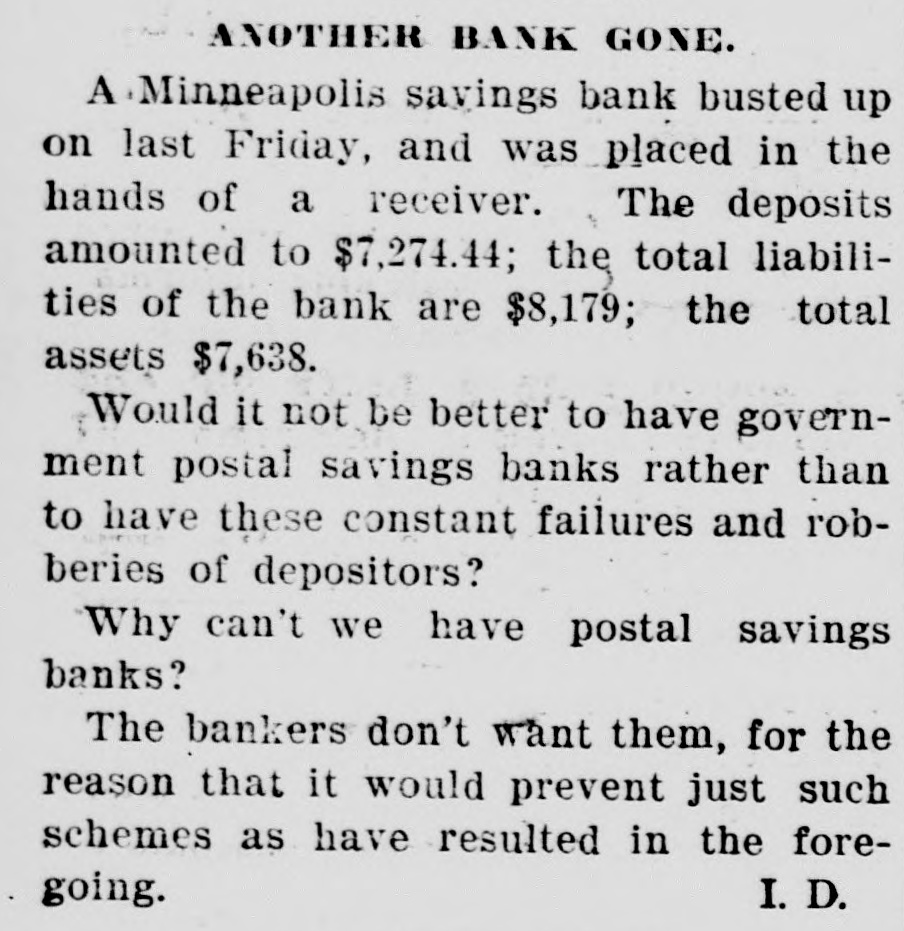
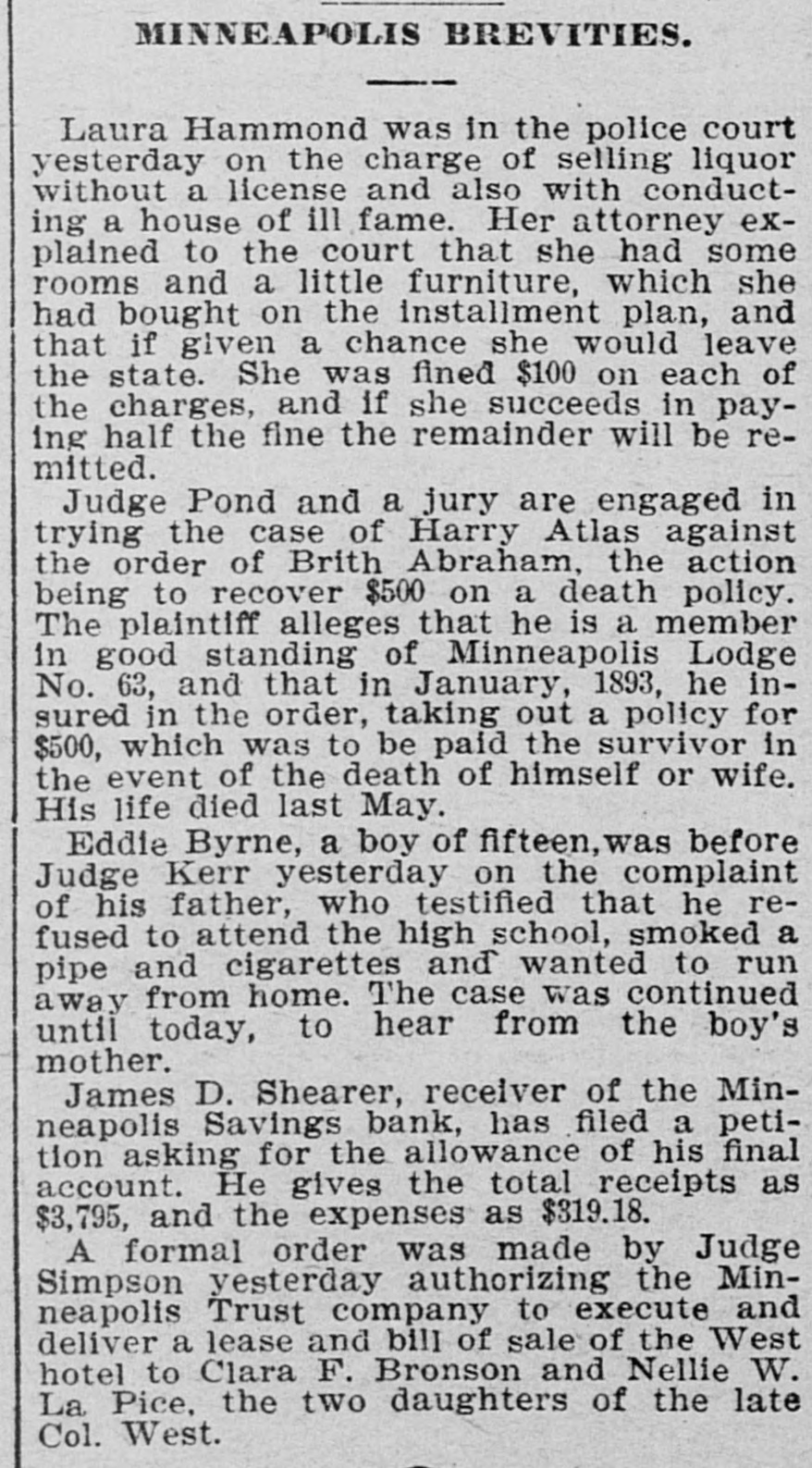
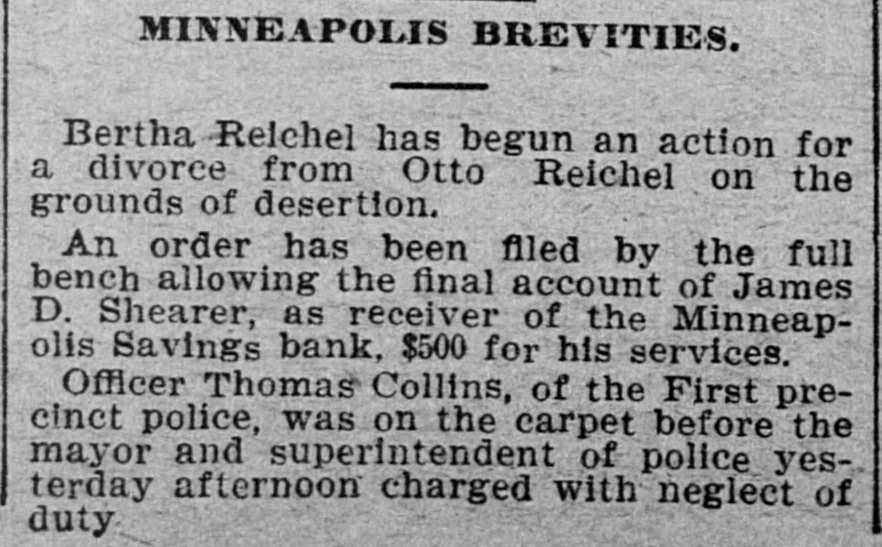
Gov. Lind yesterday sent to the senate and house communications touching on the methods of accounts kept at several of the public institutions and departments especially as to the public funds in charge of the officials, and a report of the public examiner as to the savings banks of the state. The first communication was in connection with the report of the bank examiner on the condition of the savings banks of the state for the year ending Nov. 30 and Dec. 31, 1898. Under date of Feb. 20 Gov. Lind said: The outgoing public examiner having omitted to make the report required by section 2578 of the General Statutes of 1894, the present incumbent of that office has made such report, which is transmitted herewith, together with his letter of transmittal to me. -John Lind, Governor. The letter of Public Examiner Pope to the governor, under date of Feb. 20, was as follows: I have the honor to enclose for transmission to the legislature a statement of the condition of the savings banks of the state, as shown by their reports covering the year ending Nov. 30 and Dec. 31, 1898. No new savings corporations have been organized during the previous year. None of these reporting have commenced business during the previous year. The reports, as made by the corporations, have not been verified except in the case of the Minneapolis Savings bank, in which case, after special examination, proceedings are being instituted by the attorney general looking to the liquidation of the institution through the medium of a receiver for the protection of depositors. Some amendments to the laws governing the savings institutions of the state will at an early date be submitted by this department for the consideration of your excellency and the attorney general, and for the approval of the legislature. Respectfully, -E. M. Pope, Public Examiner. The report of the public examiner gave the condition of the savings banks organized under the act of 1867 on Nov. 30 and Dec. 31, 1898, as follows: