Article Text
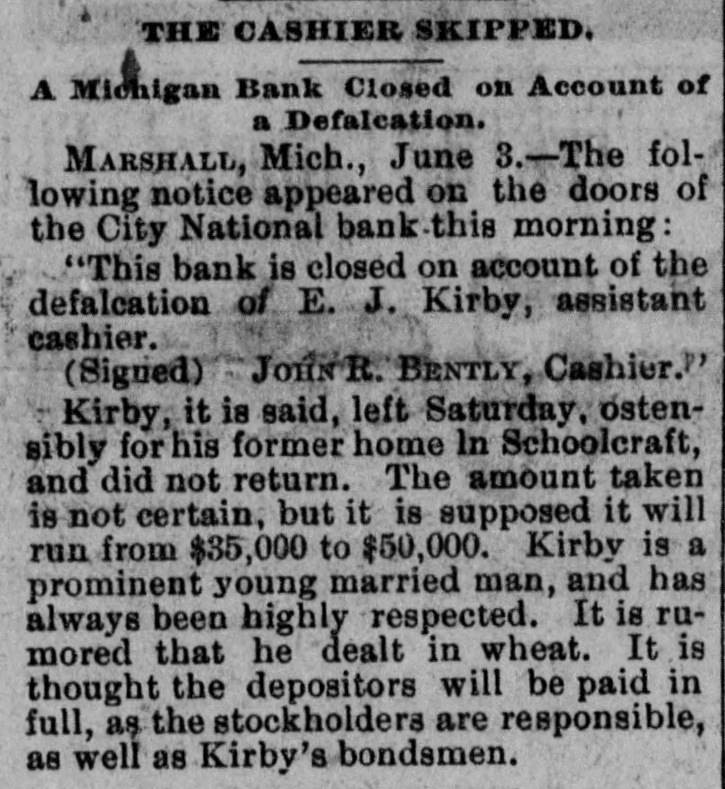
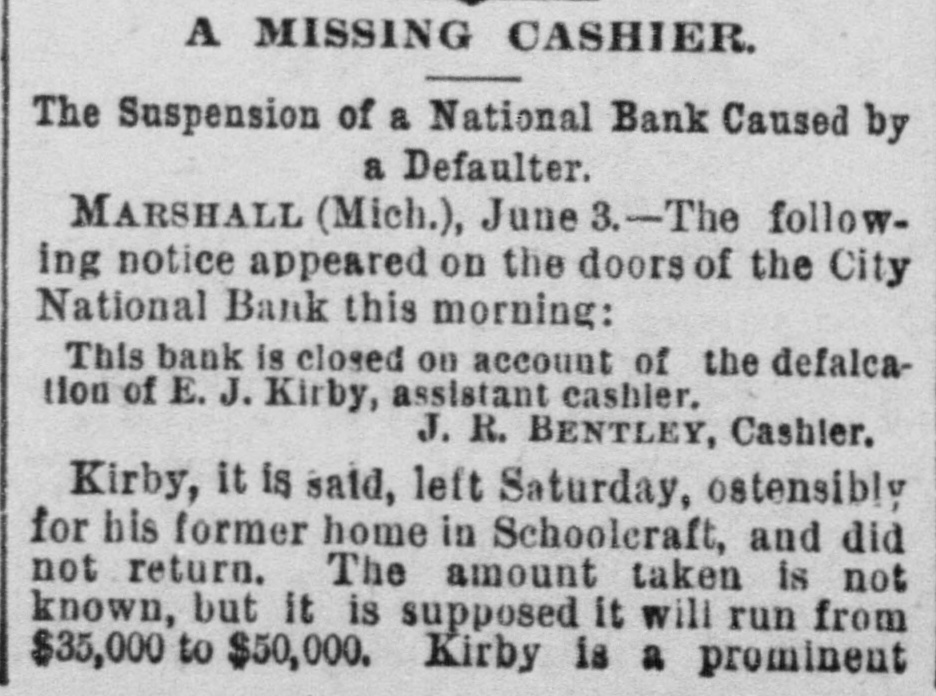
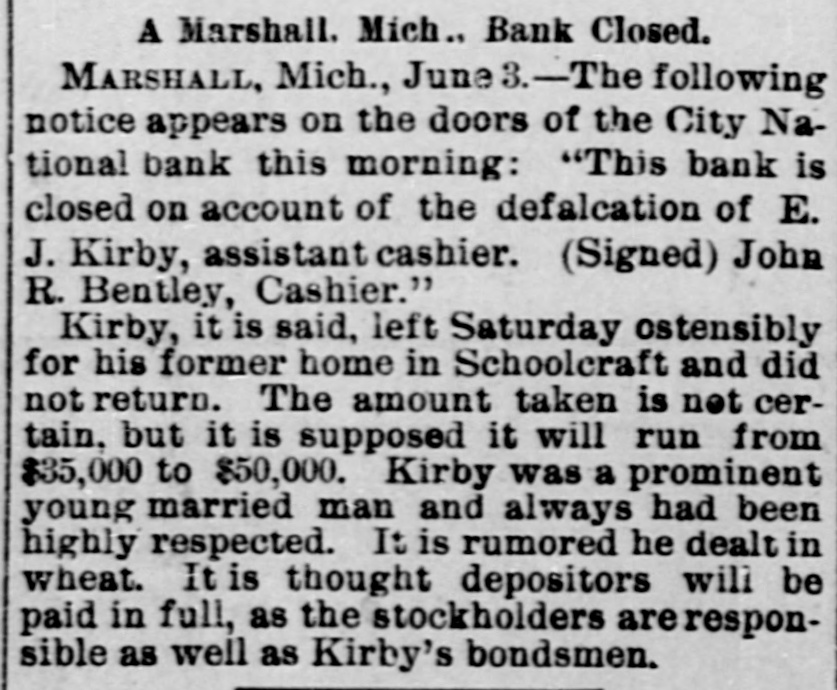
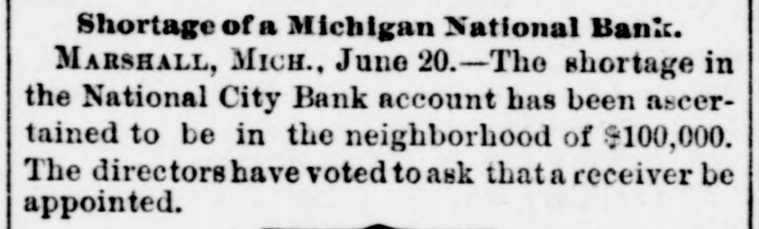
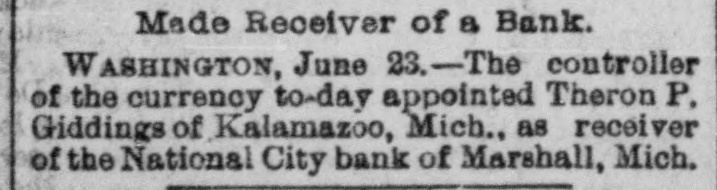
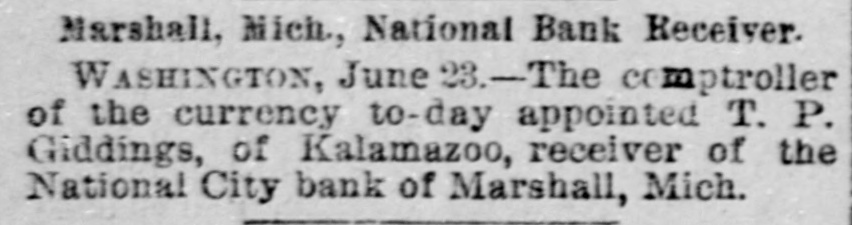
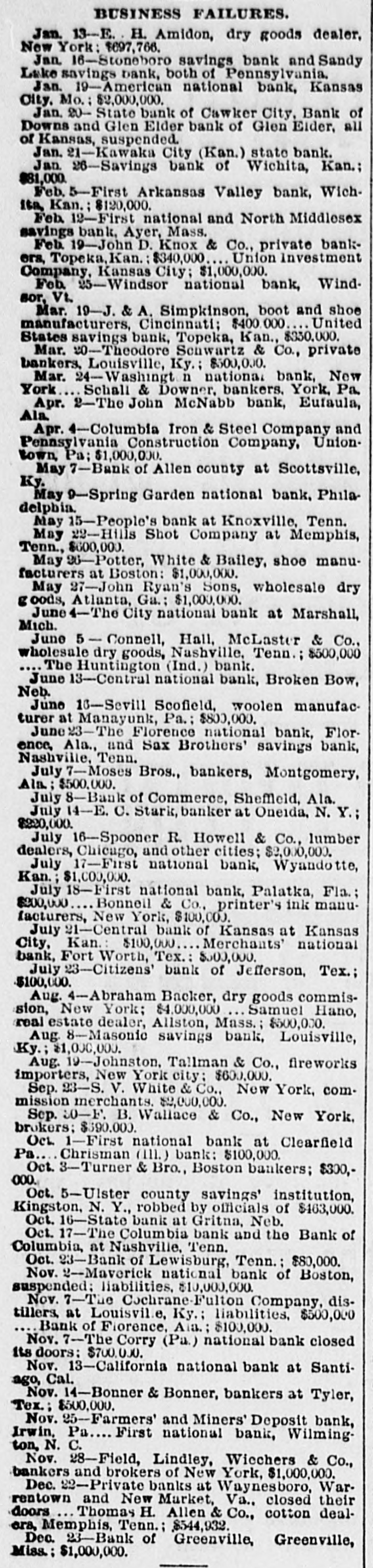
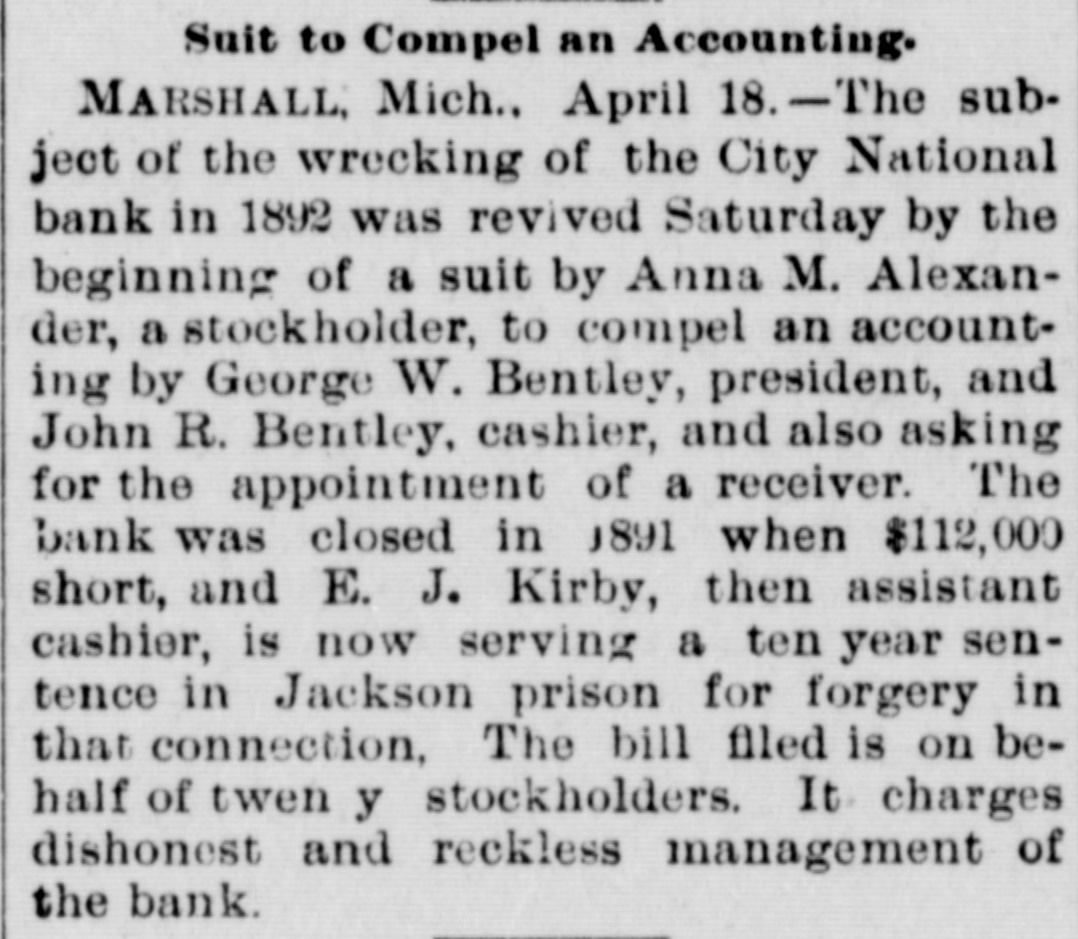
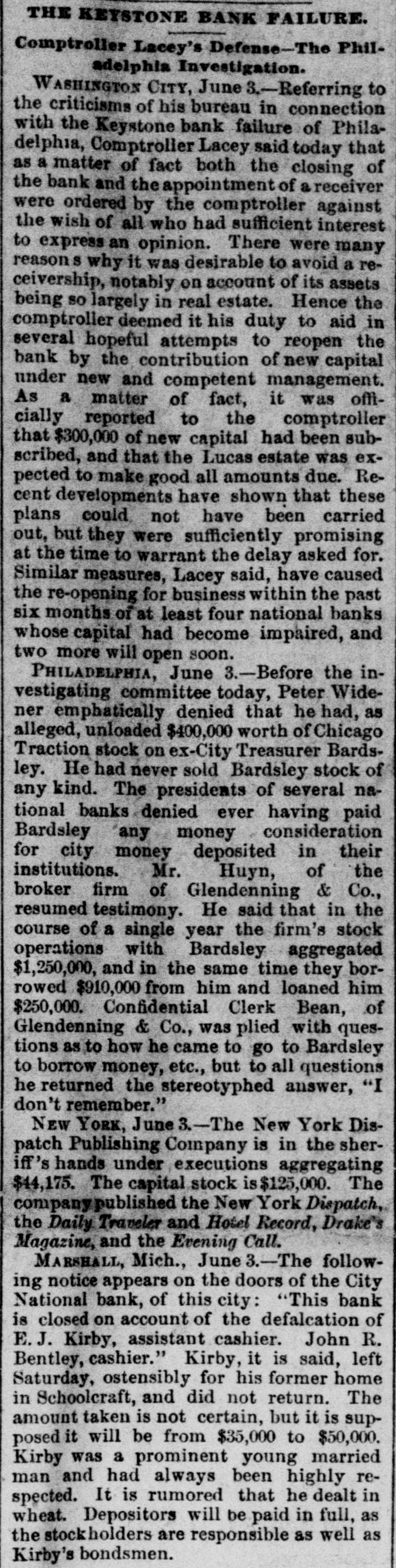
THE KEYSTONE BANK FAILURE. Comptroller Lacey's Defense-The Philadelphia Investigation. WASHINGTON CITY, June 3.-Referring to the criticisms of his bureau in connection with the Keystone bank failure of Philadelphia, Comptroller Lacey said today that as a matter of fact both the closing of the bank and the appointment of a receiver were ordered by the comptroller against the wish of all who had sufficient interest to express an opinion. There were many reasons why it was desirable to avoid a receivership, notably on account of its assets so in real estate. to aid to comptroller several being hopeful largely deemed attempts it his duty reopen Hence the the in bank by the contribution of new capital under new and competent management. As a matter of fact, it was officially reported to the comptroller that $300,000 of new capital had been subscribed, and that the Lucas estate was expected to make good all amounts due. Recent developments have shown that these plans could not have been carried out, but they were sufficiently promising at the time to warrant the delay asked for. Similar measures, Lacey said, have caused the re-opening for business within the past six months of at least four national banks whose capital had become impaired, and two more will open soon. PHILADELPHIA, June 3.-Before the investigating committee today, Peter Widener emphatically denied that he had, as alleged, unloaded $400,000 worth of Chicago Traction stock on ex-City Treasurer Bardsley. He had never sold Bardsley stock of any kind. The presidents of several national banks denied ever having paid Bardsley any money consideration for city money deposited in their institutions. Mr. Huyn, of the broker firm of Glendenning & Co., resumed testimony. He said that in the course of a single year the firm's stock operations with Bardsley aggregated $1,250,000, and in the same time they borrowed $910,000 from him and loaned him $250,000. Confidential Clerk Bean, of Glendenning & Co., was plied with questions as to how he came to go to Bardsley to borrow money, etc., but to all questions he returned the stereotyphed answer, "I don't remember." NEW YORK, June 3.-The New York Dispatch Publishing Company is in the sheriff's hands under executions aggregating $44,175. The capital stock is $125,000. The company published the New York Dispatch, the Daily Traveler and Hotel Record, Drake's Magazine, and the Evening Call. MARSHALL, Mich., June 3.-The following notice appears on the doors of the City National bank, of this city: "This bank is closed on account of the defalcation of E.J Kirby, assistant cashier. John R. Bentley,cashier." Kirby, it is said, left Saturday, ostensibly for his former home in Schoolcraft, and did not return. The amount taken is not certain, but it is supposed it will be from $35,000 to $50,000. Kirby was a prominent young married man and had always been highly respected. It is rumored that he dealt in wheat. Depositors will be paid in full, as the stock holders are responsible as well as Kirby's bondsmen.