Click image to open full size in new tab
Article Text
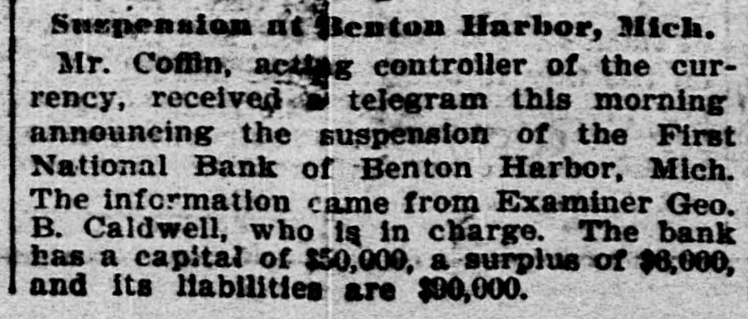
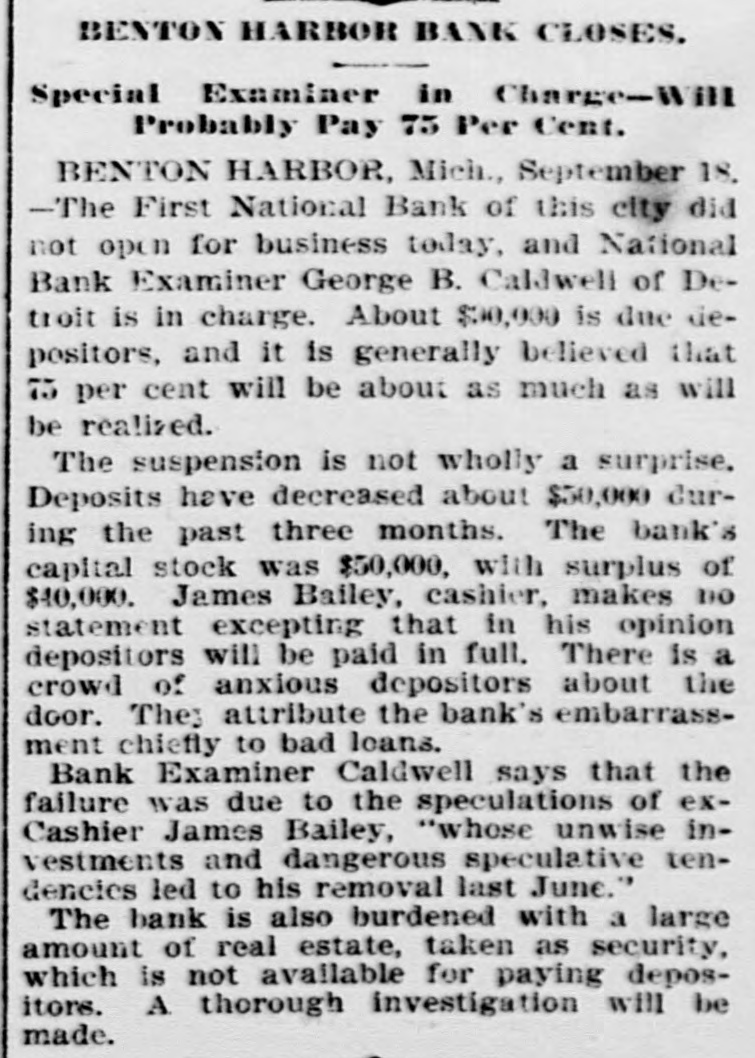
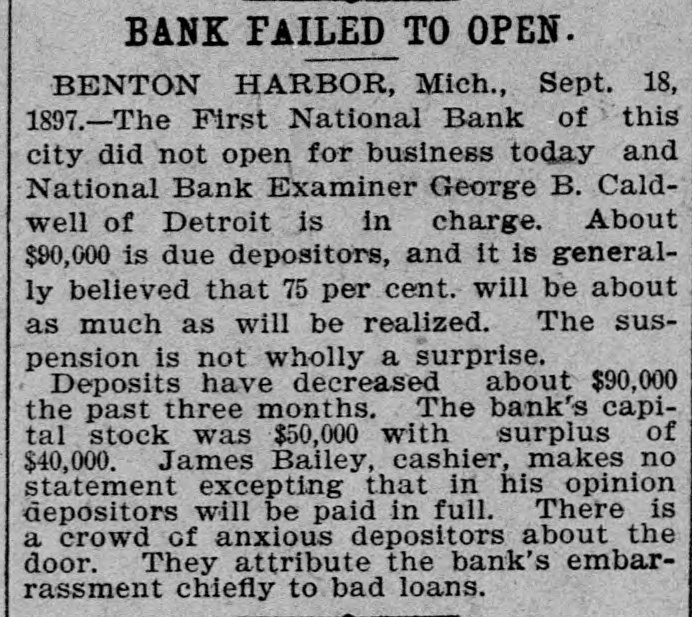
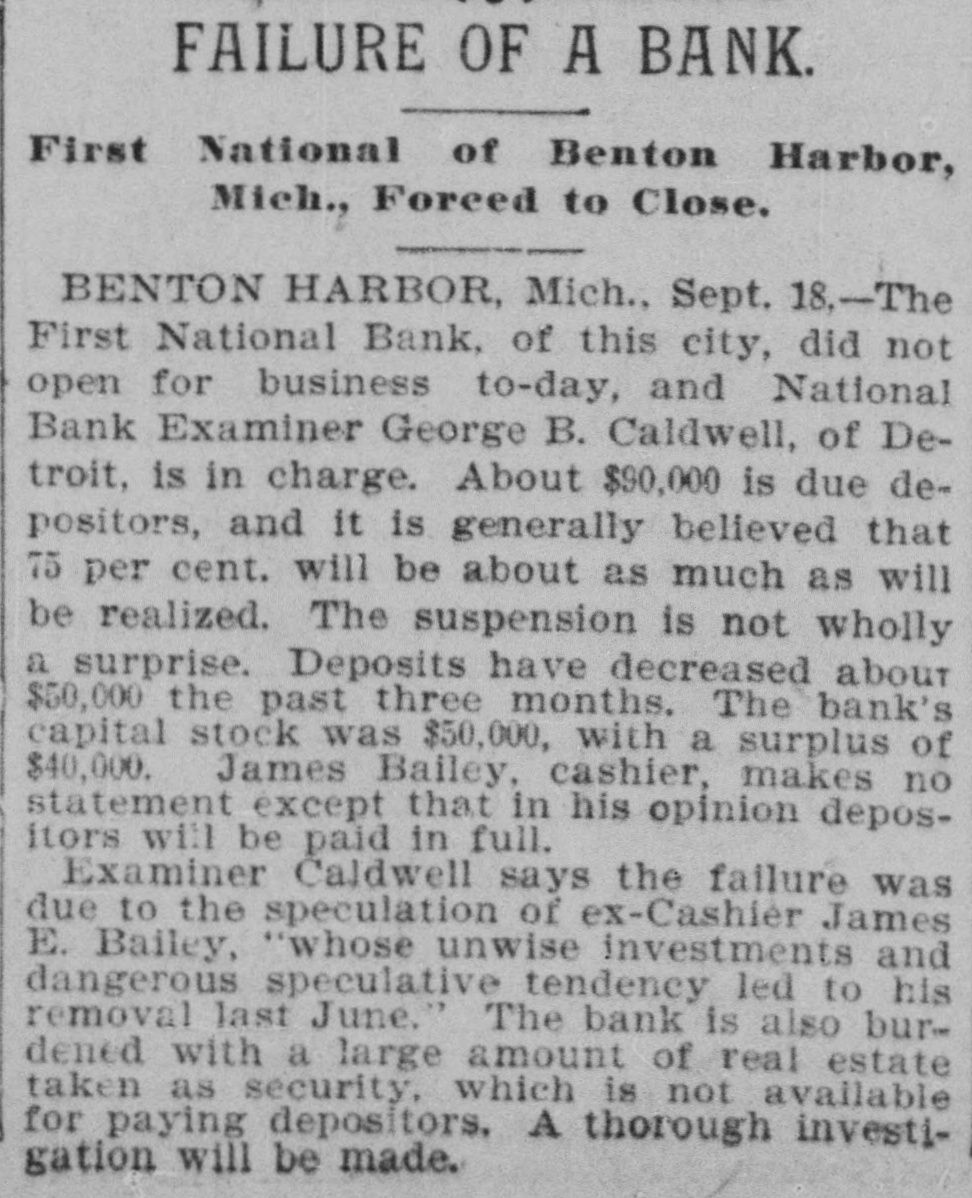
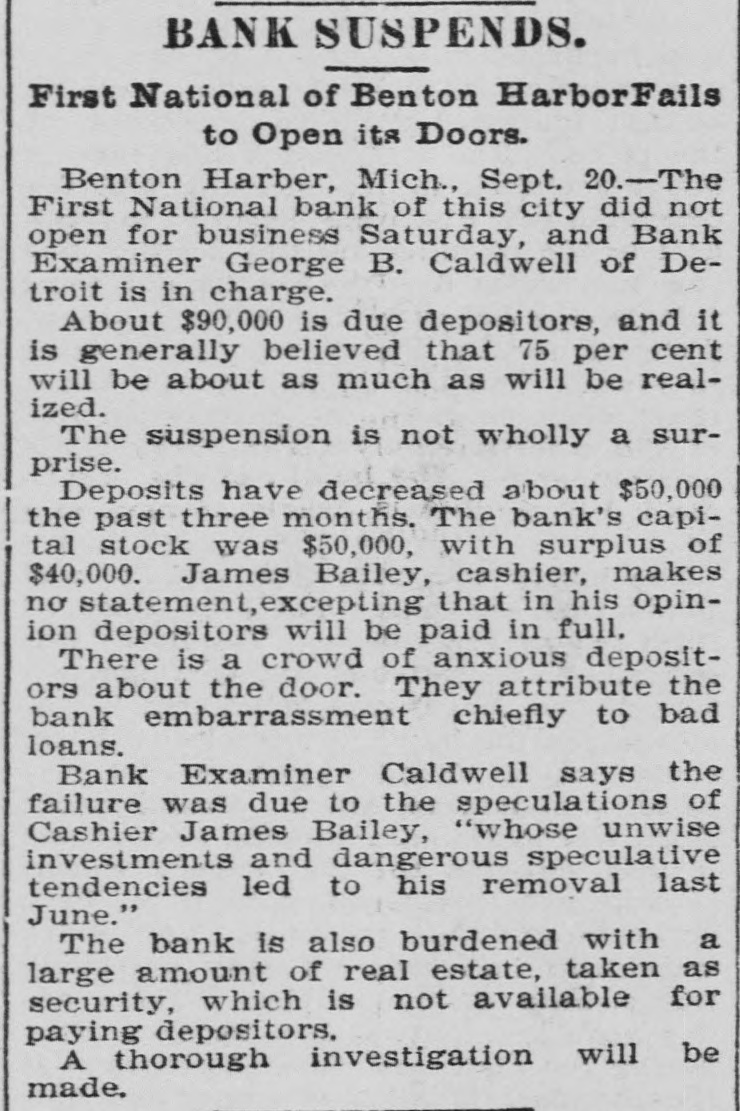
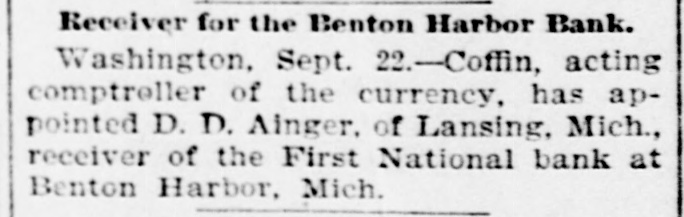
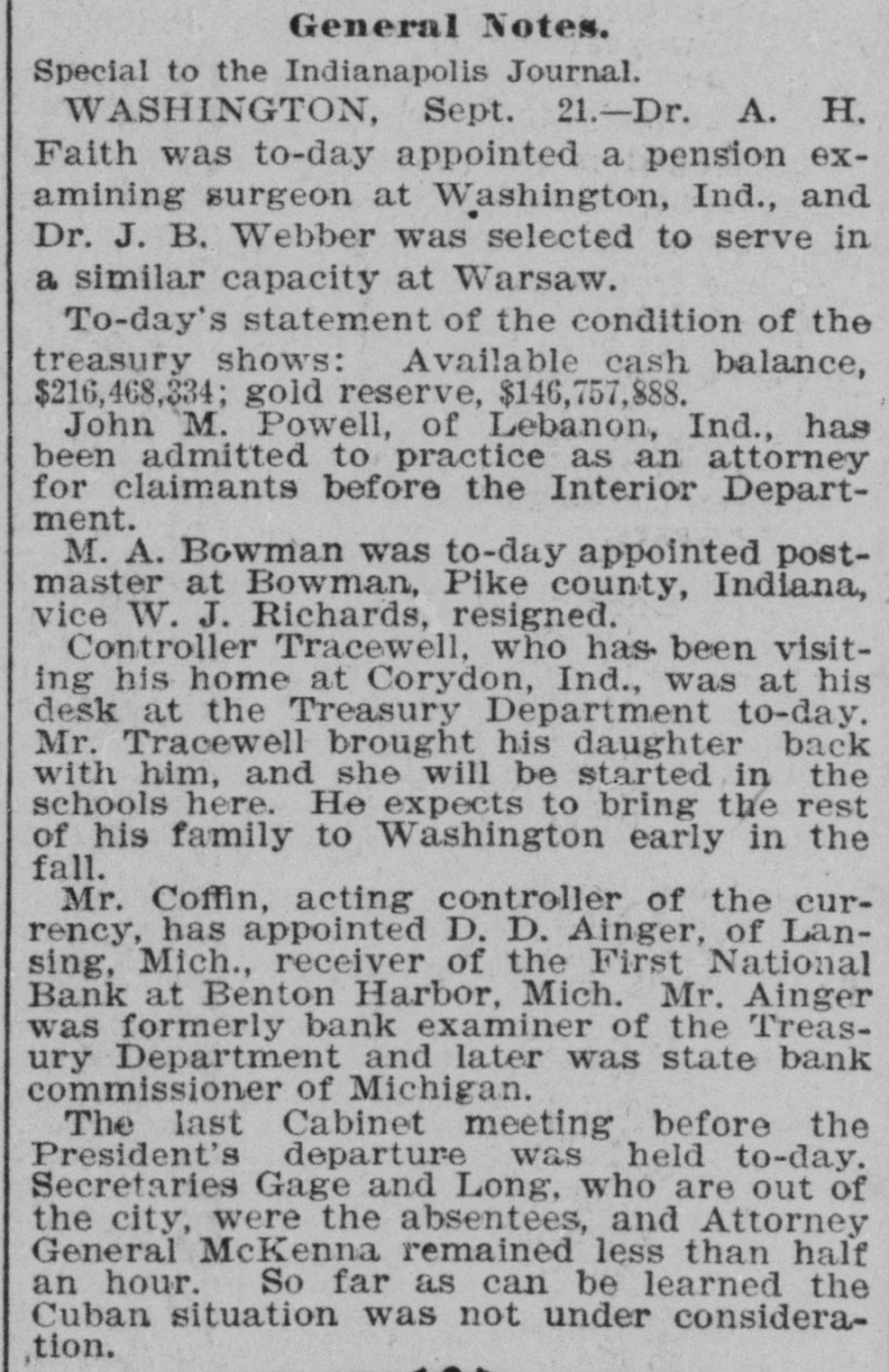
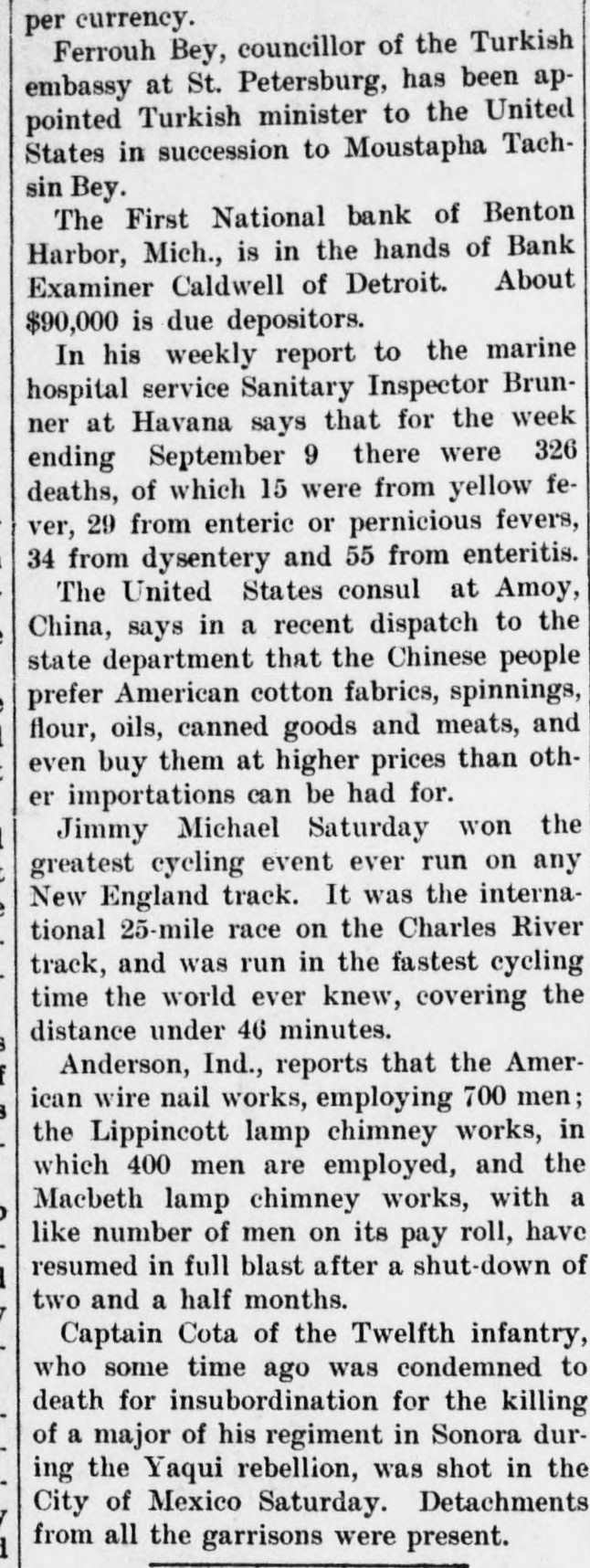
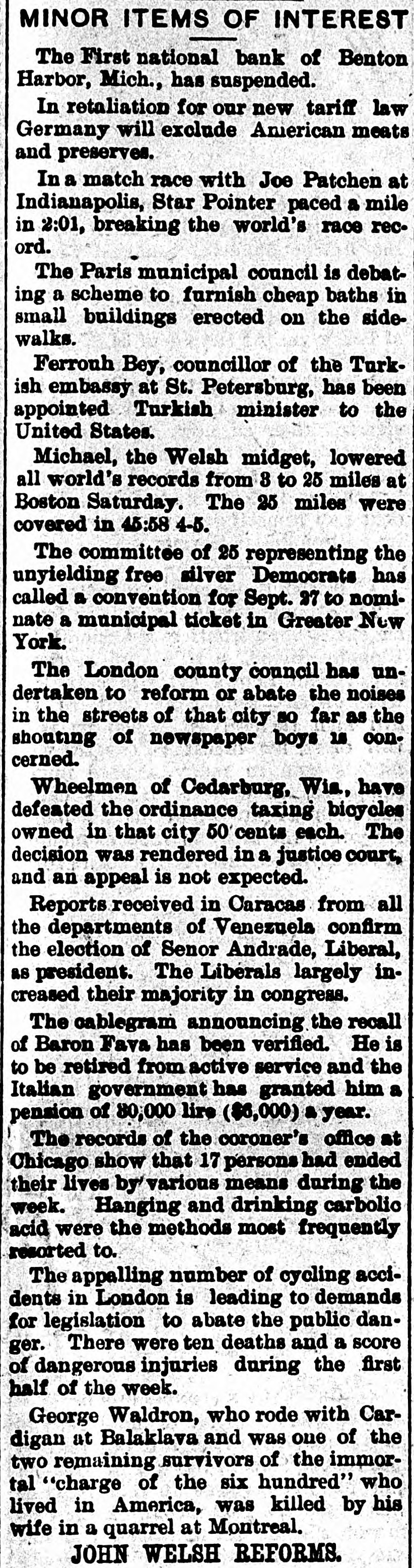
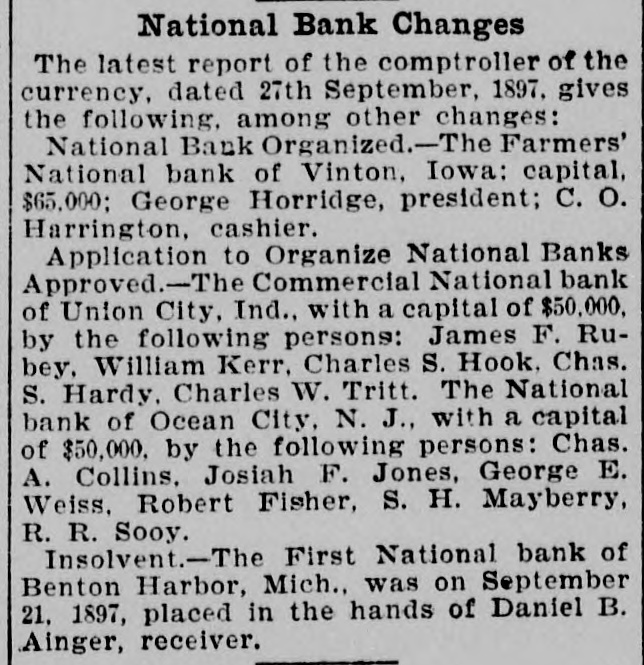
NEWS OF THE WORLD BRIEF MENTION OF EVENTS AT HOME AND ABROAD. Record of Misfortunes, Mishaps and Crimes, as Well as of Industrial Progress. Yazoo City, Miss., has issued orders for a shotgun quarantine to be enforced against yellow fever. No trains are allowed to stop except to exchange mails at the quarantine stations. No passengers are allowed to leave the train at all, and all mail and express must be fumigated. Guards armed to the teeth are placed all along the county boundaries. The wheat crop of 1897 is moving seaward at a rate that is breaking all previous records. Within the past seven days five cargoes, totaling 481,737 bushels, value about $431,512, have cleared from Portland and are now on the way to England. A wreck on the Wabash at Keytesville, Mo., resulted in the death of four men-W. A. Geness, postal clerk, of St. Louis; W. Smith, fireman, of Moberly, Mo.; William Clark and Paul Street of Salisbury, Mo. Nine others were more or less painfully injured. Upon advices from United States Consul Pringle at Guatemala City to the effect that the revolutionists had captured the town of Ocas, on the west coast of Guatemala, the state department has called upon the navy department to send a warship there to watch over American interests, and the Alert, at Mare Island, Cal., has been ordered to the scene of the trouble. The democratic state committee of New York has refused to accede to the demand of the free silverites that the principles of the Chicago platform be reaffirmed. The committee met by authorization of the democratic state convention of last year to nominate a candidate for chief judge of the court of appeals. Alton B. Parker, of Kingston, was the choice of the committee. The nominee is said to De acceptable to Tammany hall and te ex-Senator David B. Hill and his following. Domestic exports for August were the largest of any August of which the bureau of statistics of the treasury department has any record. They were valued at $75,497,820, as against $66,689,981 in August, 1896, an increase of $12,807,939. For the eight months ended August 31, 1897, they amounted to $629,434,371, an The amount of imports during August amounted to $39,876,640. This is the smallest value since June, 1879, when they amounted to $38,890,451. It is estimated that the recent strike cost the people of Pittsburg district from $5,000,000 to $7,000,000. Of this amount the miners lost about $2,250,000 in wages. William L. Wilson, ex-postmaster general, has been installed in the office of president of the Washington and Lee university at Lexington, Va., in the presence of Governor Charles T. O'Ferrell and other distinguished guests. President Diaz opened the Mexican congress Thursday, reading his semi-annual message, covering the period since April. He said the country was at peace with all civilized nations and was gradually making more intimate ties with them. He noted the decision of the court of claims of Washington adversely to the La Abra claim, which had been pronounced fraudulent, and went on to consider the question of the proposed international dam. The business portion of Joplin, Ky., has been destroyed by fire. Loss $50,000, insurance about one-half that amount. M. F. Dwyer has sold his stallion Kingston to J. R. Keene for $25,000. The treaty of peace between Turkey and Greece was signed at Constantinople Saturday. The duchess of Marlborough, formerly Miss Consuelo Vanderbilt, has given birth to a son at Spencer house, the ducal London residence. The treaty of peace between the government and the insurgents was signed in Uruguay yesterday. The price of all kinds of food is rising steadily at Madrid, Spain, owing to the growing depreciation of silver and of paper currency. The First National bank of Benton Harbor, Mich., is in the hands of Bank Examiner Caldwell of Detroit. About $90,000 is due depositors. In his weekly report to the marine hospital service Sanitary Inspector Brunner at Havana says that for the week ending September 9 there were 326 deaths, of which 15 were from yellow fever, 29 from enteric or pernicious fevers, 34 from dysentery and 55 from enteritis. The United States consul at Amoy, China, says in a recent dispatch to the state department that the Chinese people prefer American cotton fabries, spinnings, flour, oils, canned goods and meats, and even buy them at higher prices than other importations can be had for.