Article Text
Bank Suspends. Albany, Ga., Jan. 17.-The Com mercial bank did not open today. It suspended payment pending action of the state authorities on its application for a receiver. Its assets are said to be $191,000; liabilities, $123,000,
fb1c4830c9405e0eNone
Click image to open full size in new tab
Bank Suspends. Albany, Ga., Jan. 17.-The Com mercial bank did not open today. It suspended payment pending action of the state authorities on its application for a receiver. Its assets are said to be $191,000; liabilities, $123,000,
Click image to open full size in new tab
Want Receiver. Albany, Ga., Jan. 17.-An application for a temporary receiver has been filed by the directors of the Commercial bank of Albany, The bank did not open for business today, and a posted notice stated that the bank had suspended payment pending the action of the state authorities. The liabilities of the bank are estimated at $123,000. with assets of $191,000 on the bills receivable and real estate.
Click image to open full size in new tab
TWO BANKS CLOSED. Commercial Bank, of Albany, Ga., and Commercial Bank, of Fulton, Mo. ALBANY, Ga., Jan. 17.-An application for a temporary receiver has been filed by the directors of the Commercial Bank of Albany. The bank did not open for business this morning and, a posted notice stated that the bank had suspended payment pending the action of the state authorities. The liabilities of the bank are estimated at $123,000 with assets of $191,000 in bills receivable and real estate. FULTON, Mo., Jan. .-The Commercial Bank of Fulton was closed this morning by George B. Carstarphen, chief of the State Baking Department. Philip S. Adams, cashier of the bank, left Fulton Monday afternoon, ostensibly for St. Louis, with $4,500 in gold and currency to His be deposited in the Franklin Bank. whereabouts are unknown. The bank was organized two years ago with $20,000 capital, and in November, 1901, had deposits of $32,800. It is believed depositors will be paid in full.
Click image to open full size in new tab
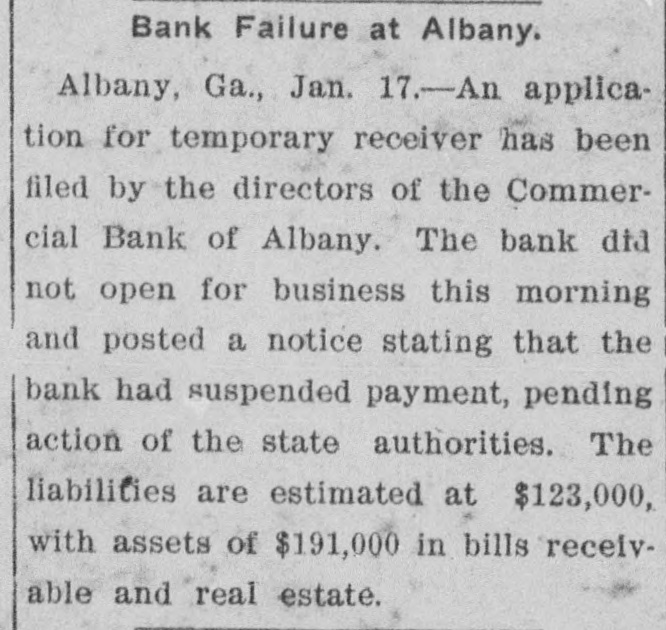
SUSPENDS PAYMENT. Receiver Appointed For Commercial Bank of Albany. Albany, Ga., Jan. 17.-An application for a temporary receiver has been filed by the directors of the Commercial bank of Albany. The bank did not open for business this morning and a posted notice stated that the bank had suspended payment pending the action of the state authorities, The liabilities of the bank are estimated at $123,000, with assets of 100,000 in bills receivable and real estate.
Click image to open full size in new tab
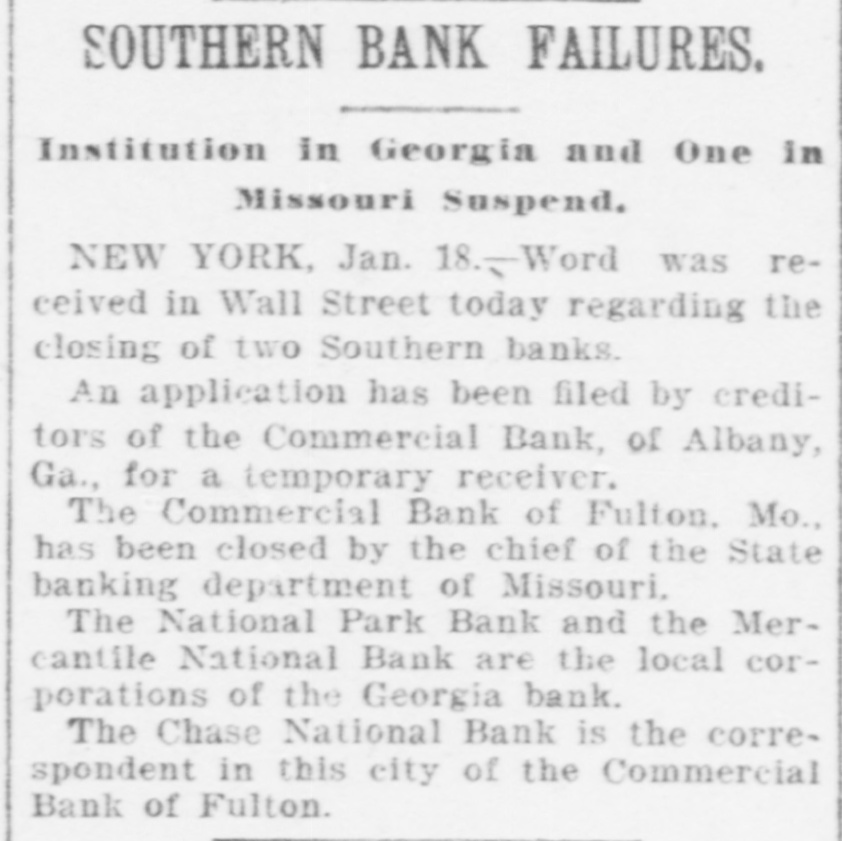
Bank Failure at Albany. Albany, Ga., Jan. 17.-An application for temporary receiver has been filed by the directors of the Commercial Bank of Albany. The bank did not open for business this morning and posted a notice stating that the bank had suspended payment, pending action of the state authorities. The liabilities are estimated at $123,000, with assets of $191,000 in bills receivable and real estate.
Click image to open full size in new tab
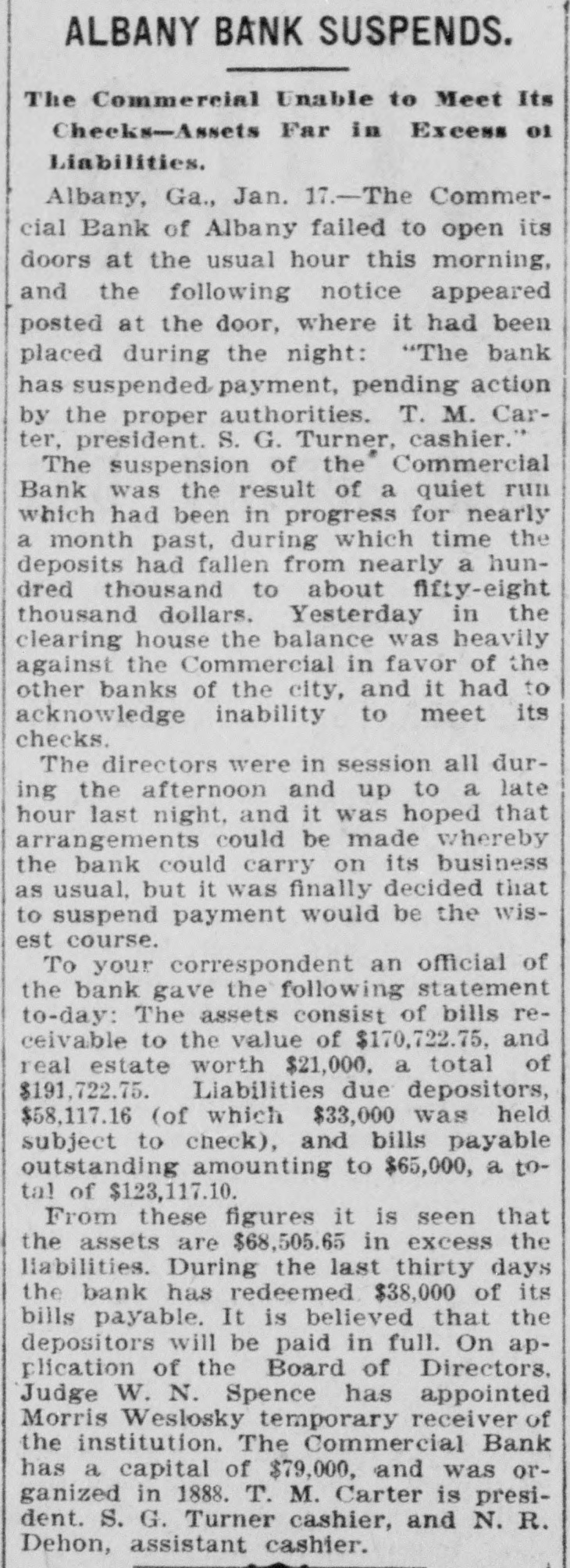
SOUTHERN BANK FAILURES. Institution in Georgia and One in Missouri Suspend. NEW YORK, Jan. 18.-Word was received in Wall Street today regarding the closing of two Southern banks. An application has been filed by creditors of the Commercial Bank, of Albany, Ga., for a temporary receiver. The Commercial Bank of Fulton. Mo., has been closed by the chief of the State banking department of Missouri. The National Park Bank and the Mercantile National Bank are the local corporations of the Georgia bank. The Chase National Bank is the correspondent in this city of the Commercial Bank of Fulton.
Click image to open full size in new tab
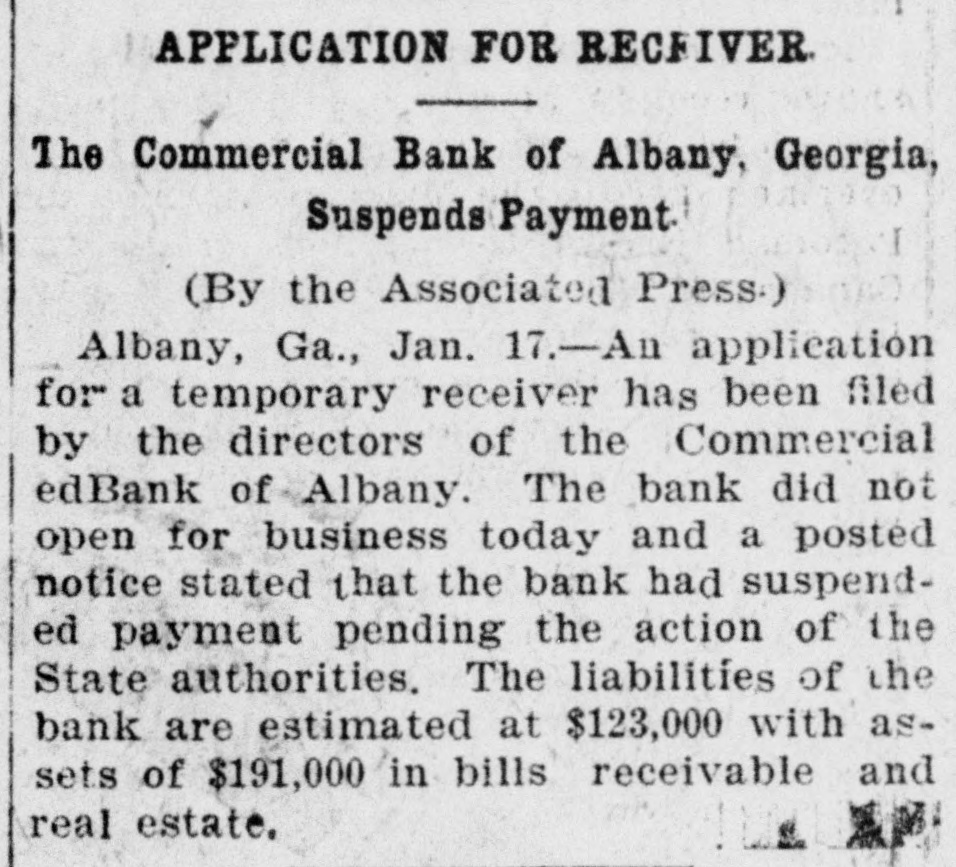
ALBANY BANK SUSPENDS. The Commercial Unable to Meet Its Checks-Assets Far in Excess 01 Liabilities. Albany, Ga., Jan. 17.-The Commercial Bank of Albany failed to open its doors at the usual hour this morning, and the following notice appeared posted at the door, where it had been placed during the night: "The bank has suspended payment, pending action by the proper authorities. T. M. Carter, president. S. G. Turner, cashier." The suspension of the Commercial Bank was the result of a quiet run which had been in progress for nearly a month past, during which time the deposits had fallen from nearly a hundred thousand to about fifty-eight thousand dollars. Yesterday in the clearing house the balance was heavily against the Commercial in favor of the other banks of the city, and it had to acknowledge inability to meet its checks. The directors were in session all during the afternoon and up to a late hour last night, and it was hoped that arrangements could be made whereby the bank could carry on its business as usual, but it was finally decided that to suspend payment would be the wisest course. To your correspondent an official of the bank gave the following statement to-day: The assets consist of bills receivable to the value of $170,722.75, and real estate worth $21,000. a total of $191,722.75. Liabilities due depositors, $58,117.16 (of which $33,000 was held subject to check), and bills payable outstanding amounting to $65,000, a total of $123,117.10. From these figures it is seen that the assets are $68,505.65 in excess the liabilities. During the last thirty days the bank has redeemed $38,000 of its bills payable. It is believed that the depositors will be paid in full. On application of the Board of Directors. Judge W. N. Spence has appointed Morris Weslosky temporary receiver of the institution. The Commercial Bank has a capital of $79,000, and was organized in 1888. T. M. Carter is president. S. G. Turner cashier, and N. R. Dehon, assistant cashier.
Click image to open full size in new tab
APPLICATION FOR RECEIVER The Commercial Bank of Albany, Georgia, Suspends Payment (By the Associated Press.) Albany, Ga., Jan. 17.-An application for a temporary receiver has been filed by the directors of the Commercial edBank of Albany. The bank did not open for business today and a posted notice stated that the bank had suspended payment pending the action of the State authorities. The liabilities of the bank are estimated at $123,000 with assets of $191,000 in bills receivable and real estate.
Click image to open full size in new tab
ALBANY, GA., BANK FAILS. Suspends Payment Until Application for Receiver is Granted. Albany, Ga., January 17.-An application for a temporary receiver has been filed by the directors of the Commercial Bank of Albany. The bank did not open for business this morning and a posted notice stated that the bank had suspended payment, pending the action of the state authorities. The liabilities of the bank are estimated at $123,000, with assets of $191,000 in bills receivable and real estate.
Click image to open full size in new tab
ALBANY BANK SUSPENDS AFTER RUN OF A. MONTH ALBANY, Ga., Jan. 17.-The Commercial bank of Albany did not open for business this morning and a notice posted on the door stated the bank had suspended payment pending action by proper authorities. A quiet run had been going on for one month past and the bank was yesterday unable to meet its checks in the clearing house. The bank's capital was $79,000, reduced from $100,000, and notice had been given that it would be converted into a national bank. The liabilities are bills payable, $65,000; deposits, $58,117.10. Assets are estimated at $170,000 in bills receivable and $21,000 in real estate. It seems certain that depositors will be fully paid. The directors have applied to Judge Spence to have Morris Weslosky appointed temporary receiver pending action of the state authorities. The bank was organized in 1888. The bank's officers are: T. M. Carter, president: S. G. Turner. cashier, and T. M. Carter, R. E. Carter, M. Weslosky, John Mock, H. N. Parker, W. W. Pace, T. N. Woolfolk, S. G. Turner, directors. While the failure of the Commercial bank has created considerable excitement here, there is a general feeling that the depositors will be paid dollar for dollar. The honesty and integrity of the officers of the bank are not questioned, and this has done a great deal to lease the situation.
Click image to open full size in new tab
SUMMARY OF THE LATEST NEWS. Domestic. Mr. Carnegie offers to provide a library for Louisville if the city will contribute $25,000 annually for its maintenance. The La Strain, a seven-story apartment hotel, on Ellis avenue, Chicago, was burned. The building was occupied by about 30 families, all of whom escaped safely. The estimated loss is $100,000. Cross-examination of E. G. Rathbone, ex-director-general of posts of Guba, in the trial of charges growing out of the postoffice frauds, was concluded. C. W. Neely was examined and explained surto stamp charged why he stamps made no he record gave of the the clerk with instructions to sell. In a buggy, near Coffeen, III., were found the dead body of Miss Gertrude Clifford, and Fred Brockman seriously wounded. The girl had been shot in the temple. Brockman had two bullet wounds in the head. He was placed under arrest. Rev. G. F. B. Howard, who served a term in the Ohio penitentiary, was sentenced to two and a half years in the Detroit House of Correction for securing money by false pretenses. The Pere Marquette Railway Steamer Company's steamer struck at the mouth of the Ludington harbor, and the passengers and crew were taken off by the breeches buoy. James Cooke van Ben Schoten, LL.D., professor of Greek language and literature in Wesleyan University, died at Middletown, Conn., at the age of 74 years. President Francis, of the Exposition Company, finally decided that the Louisiana Purchase Exposition should be postponed for one year. Two negro miners were killed and eight injured in an accident at the Cumberland Coal Company's mine, at Millstone. Tenn. A syndicate of Pittsburg capitalists concluded negotiations for 11,000 acres of coal land at a price said to be $8,000,000. Isaac N. Conklin, of the Tenth Pennsylvania regulars, accused in California of bigamy, tried to commit suicide. An application was filed by the directors of the Commercial Bank of A1bany, Ga., for a temporary receiver. General Chaffee will make a thorough investigation of the Filip no situation on the Island of Samar. The junta at Hongkong has authorized Insurgent Leader Lukban to surrender, if he so desires, but says he must not deliver any Filipino soldiers or officers to the Americans. The Flood amendment, providing for biennial, instead of quadrennial, sessions of the Virginia Legislature, was adopted by a vote of 38 to 37 in the Constiutional Convention. A. B. Cummins was formally inaugurated as Governor of Iowa. His inaugural address discussed the remedy for the combine evil. The State Pure Food Commission is having sellers of impure vinegar and adulterated flavoring extracts indicted in Chicago. Officers of the Independence Mine, in Victor, Col., had a desperate battle in the mine with ore thieves, who escaped. Willis Petty, who narrowly escaped lynching in Alexandria, Va., was set free, a nolle pros being entered. Open winters and overproduction have caused a shutdown 'of the Woonsocket Rubber Company's mill. J. V. S. Oddie, secretary of the New York Yacht Club, died at his residence, in New York.
Click image to open full size in new tab
BUSINESS FAILVRES. Jan. 10-Cleveland. O., Euelid Trust & Savings Co.: $1 1,500,000. II-Painesville, O. People's bank: $173,000 Chirago, Geo. H. Phillips, "corn king, falls for second time in 7 months. 17-Albany, Ga., Commercial bank: $123,000 2-Bellwood. Neb., Platte Valley state bank Feb. 10-Detroit, Mich. City savings bank. on account of shortage of Vice President Frank c. Andrews Il-Belment (0) national bank Burnett Tex., private bank of W. R. Westfall & Co. Mar. 1-Elkhart, III., State bank. II-Wanatah Ind., Julhia Center banker. Americus, Ga., People's bank: $30,000. Apr 4-BL Paul, U. S. Saving & Loan Co.: $800,000. N-Algonaç (Mich.) Banking Co.'s bank; $32,000 Jun. 3-Chicago, John A. & Alexander Davideen. marble contractors $1,891,888. II-Charlesten (S. C.) Exposition Co., placed in receivers' hands: $450,000. as Murdeck, Neb., German state bank: $37,000 Jul. -New York city, M. P. Anderson, real estate operator; $1,580,242 20-Brooklyn. N. X4 Malcolm Brewing Co.: $800.000. Allg 16-Elgin, IIL. Obadlah Bands Butfor corporation, $445,000. 20-Clayeland, O., Forward Reduction Co., beening Texas all: $500.000. 24 Kloora (Ind) bank $10.000. step -New York American bioycle trust. -Treaton. N. In National Balt Ca sell $800,000.
Click image to open full size in new tab
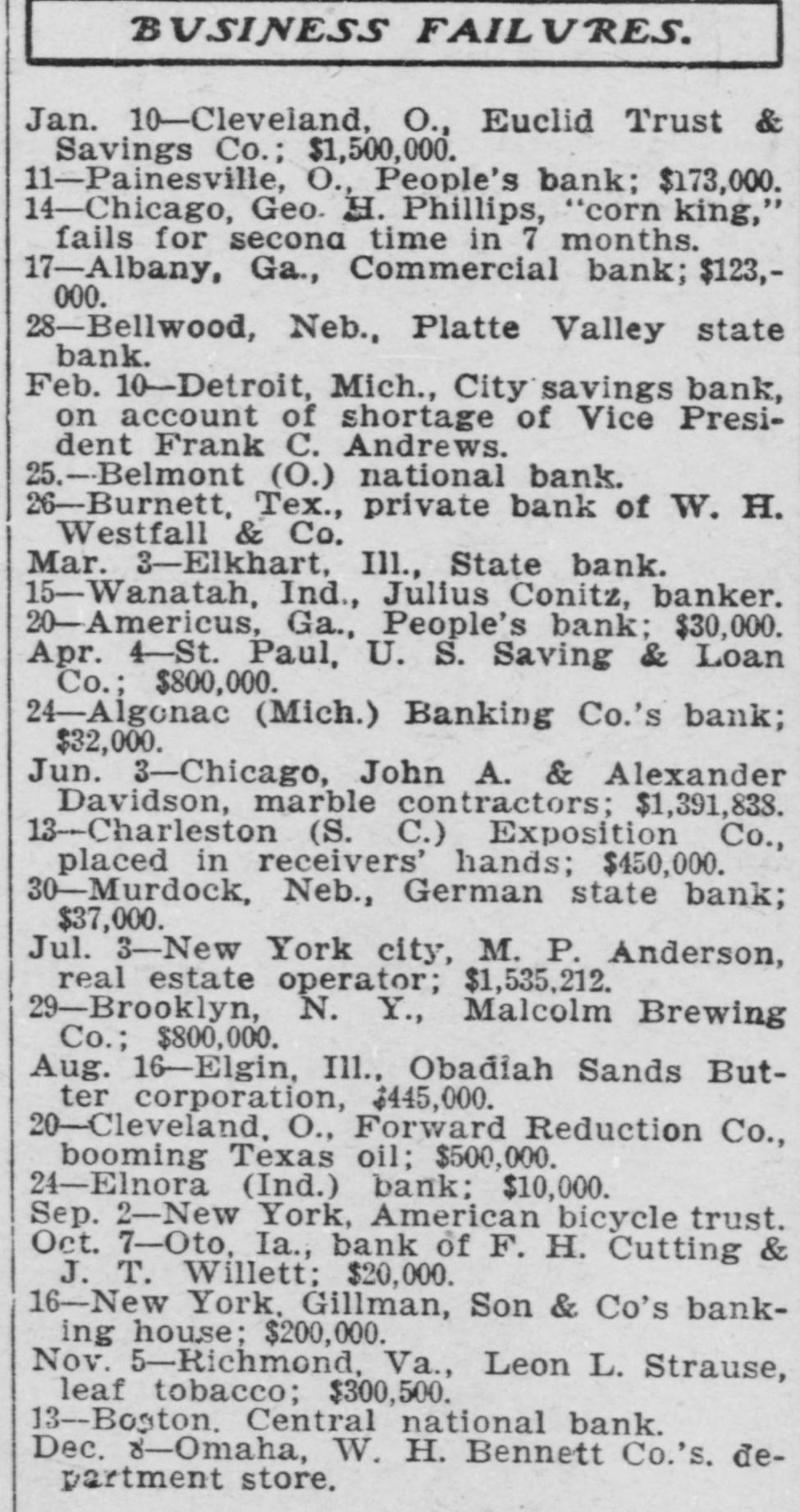
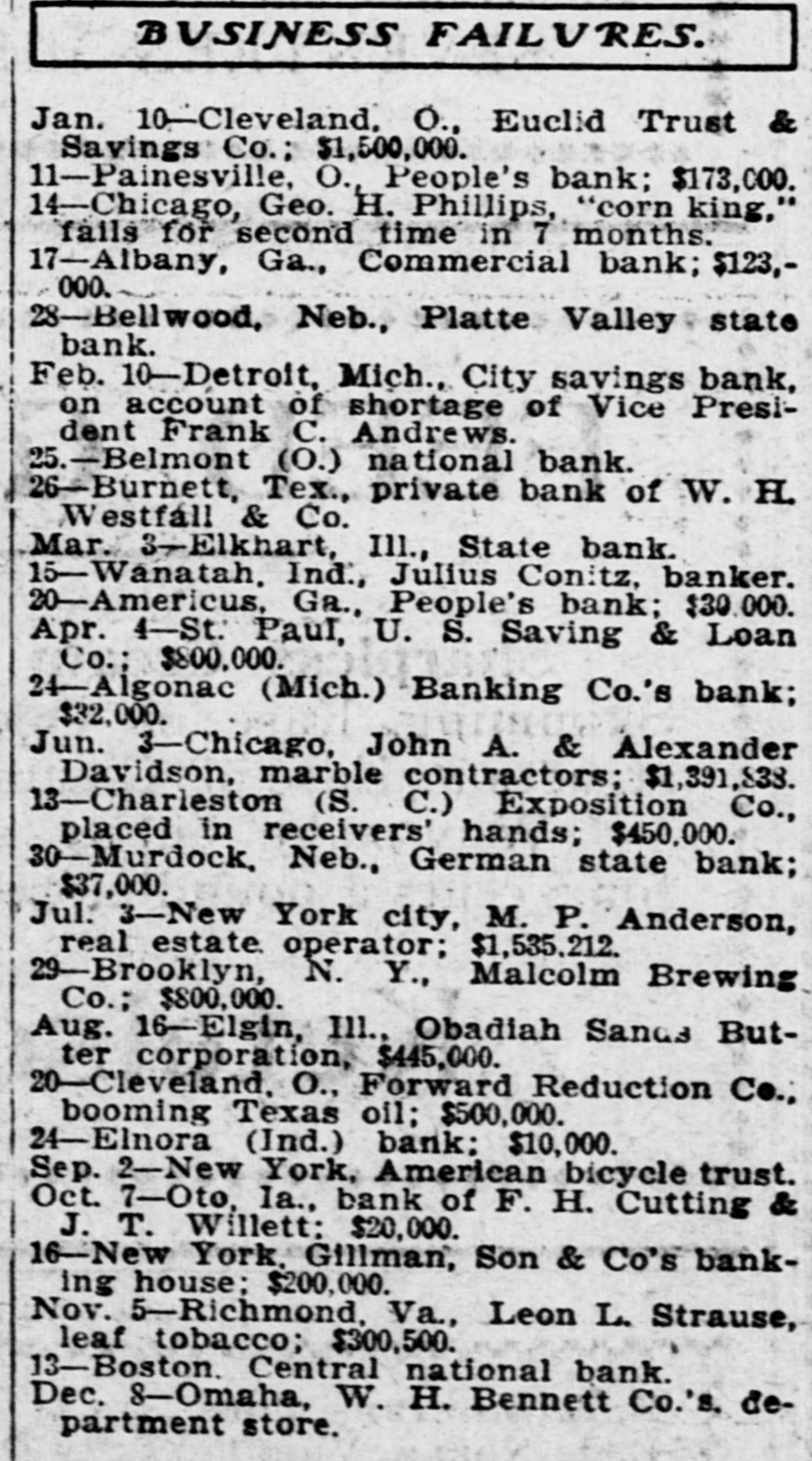
BUSINESS FAILVRES. Jan. 10-Cleveland, O., Euclid Trust & Savings Co.; $1,500,000. 11-Painesville, O., People's bank; $173,000. 14-Chicago, Geo. H. Phillips, "corn king," fails for secona time in 7 months. 17-Albany, Ga., Commercial bank; $123,000. 28-Bellwood, Neb., Platte Valley state bank. Feb. 10-Detroit, Mich., City savings bank, on account of shortage of Vice President Frank C. Andrews. 25.-Belmont (0.) national bank. 26-Burnett, Tex., private bank of W. H. Westfall & Co. Mar. 3-Elkhart, Ill., State bank. 15-Wanatah, Ind., Julius Conitz, banker. 20-Americus, Ga., People's bank; $30,000. Apr. 4-St. Paul, U. S. Saving & Loan Co.; $800,000. 24-Algonac (Mich.) Banking Co.'s bank; $32,000. Jun. 3-Chicago, John A. & Alexander Davidson, marble contractors; $1,391,838. 13-Charleston (S. C.) Exposition Co., placed in receivers' hands; $450,000. 30-Murdock, Neb., German state bank; $37,000. Jul. 3-New York city, M. P. Anderson, real estate operator; $1,535,212. 29-Brooklyn, N. Y., Malcolm Brewing Co.; $800,000. Aug. 16-Elgin, Ill., Obadiah Sands Butter corporation, $445,000. 20-Cleveland, O., Forward Reduction Co., booming Texas oil; $500,000. 24-Elnora (Ind.) bank; $10,000. Sep. 2-New York, American bicycle trust. Oct. 7-Oto, Ia., bank of F. H. Cutting & J. T. Willett; $20,000. 16-New York, Gillman, Son & Co's banking house; $200,000. Nov. 5-Richmond, Va., Leon L. Strause, leaf tobacco; $300,500. 13-Boyton. Central national bank. Dec. 8-Omaha, W. H. Bennett Co.'s. department store.
Click image to open full size in new tab
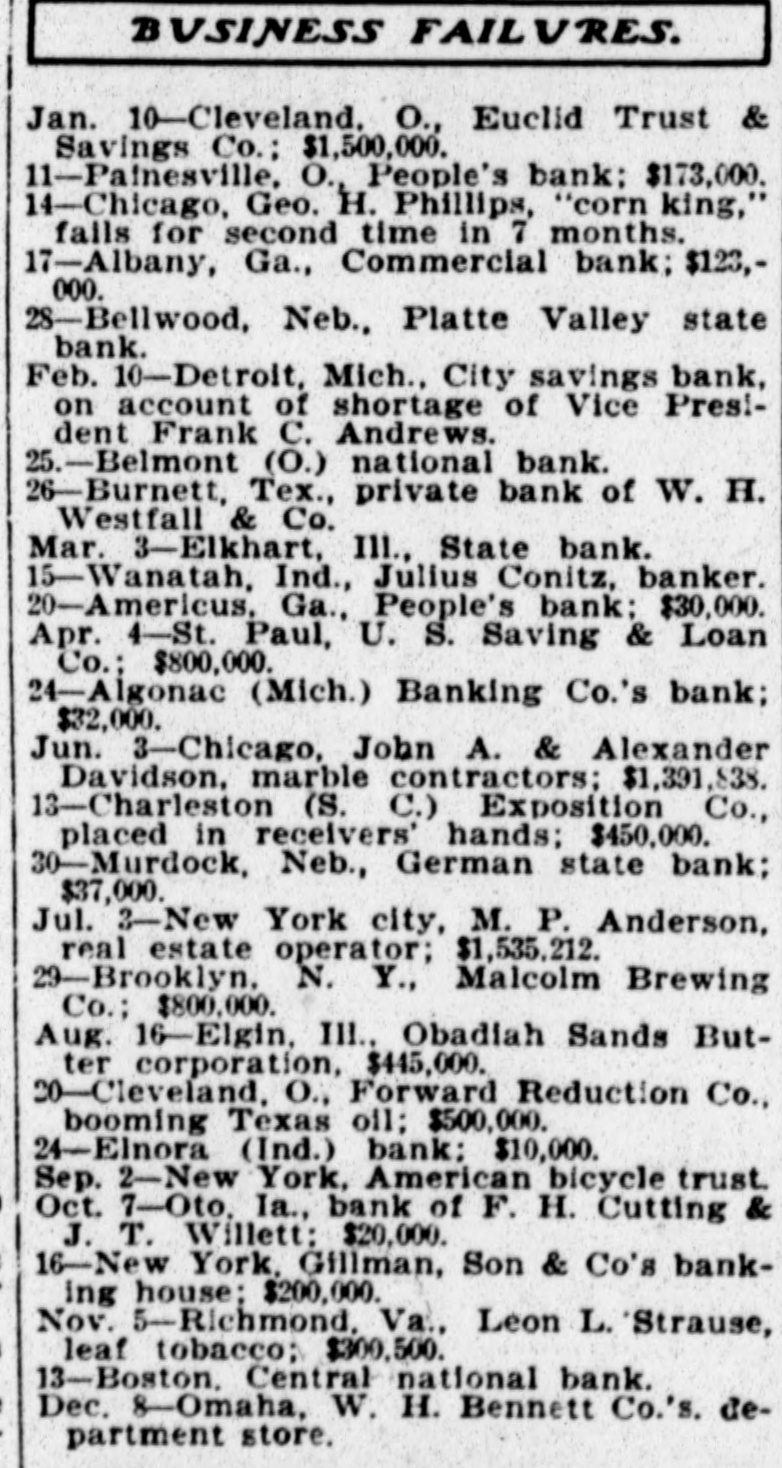
BUSINESS FAILVRES. Jan. 10-Cleveland. O., Euclid Trust & Savings Co.; $1,500,000. 11-Painesville, O., People's bank: $173,000. 14-Chicago, Geo. H. Phillips, "corn king," fails for second time in 7 months. 17-Albany, Ga., Commercial bank; $123,000. 28-Bellwood, Neb., Platte Valley state bank. Feb. 10-Detroit, Mich., City savings bank, on account of shortage of Vice President Frank C. Andrews. 25.-Belmont (O.) national bank. 26-Burnett, Tex., private bank of W. H. Westfall & Co. Mar. 3-Elkhart, III., State bank. 15-Wanatah, Ind., Julius Conitz, banker. 20-Americus, Ga., People's bank; $30,000. Apr. 4-St. Paul, U. S. Saving & Loan Co.; $800,000. 24-Algonac (Mich.) Banking Co.'s bank; $32,000. Jun. 3-Chicago, John A. & Alexander Davidson, marble contractors; $1,391,838. 13-Charleston (S. C.) Exposition Co., placed in receivers' hands; $450,000. 30-Murdock, Neb., German state bank; $37,000. Jul. 3-New York city, M. P. Anderson, real estate operator; $1,535,212. 29-Brooklyn. N. Y., Malcolm Brewing Co.; $800,000. Aug. 16-Elgin, III., Obadiah Sands Butter corporation, $445,000. 20-Cleveland, O., Forward Reduction Co., booming Texas oil; $500,000. 24-Elnora (Ind.) bank: $10,000. Sep. 2-New York, American bicycle trust. Oct. 7-Oto. Ia., bank of F. H. Cutting & J. T. Willett: $20,000. 16-New York, Gillman, Son & Co's banking house: $200,000. Nov. 5-Richmond, Va., Leon L. Strause, leaf tobacco; $300,500. 13-Boston, Central national bank. Dec. 8-Omaha, W. H. Bennett Co.'s. department store.
Click image to open full size in new tab
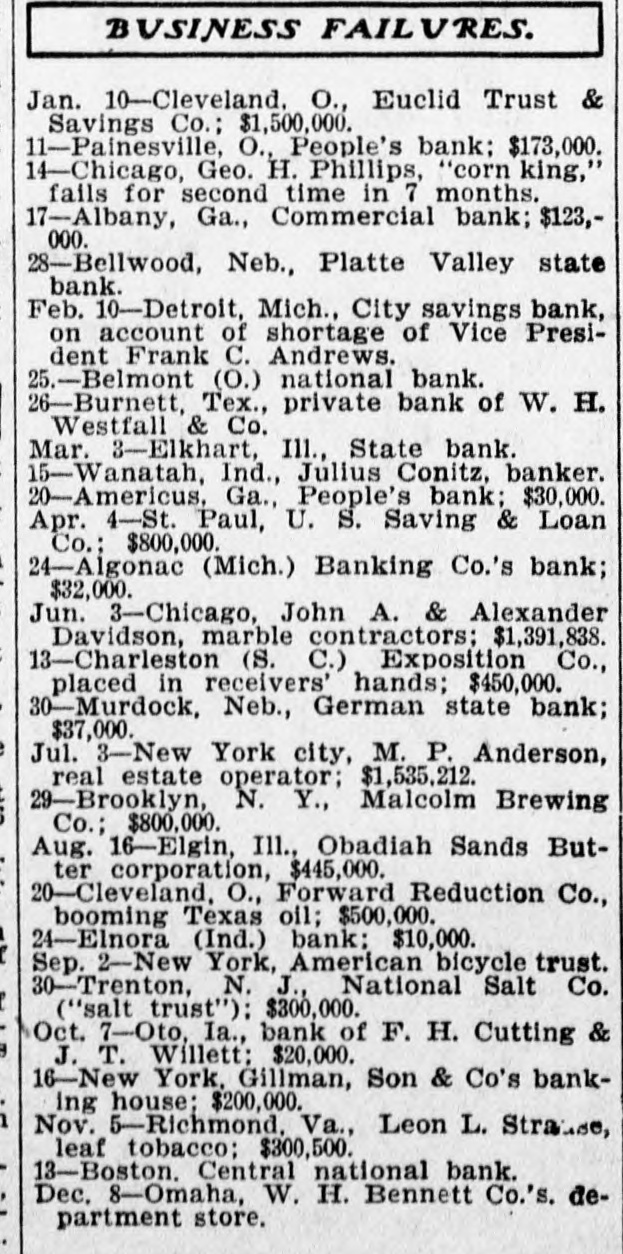
BUSINESS FAILVRES. Jan. 10-Cleveland. O., Euclid Trust & Savings Co.: $1,500,000. 11-Painesville, O., People's bank: $173,000. 14-Chicago, Geo. H. Phillips, "corn king," fails for second time in 7 months. 17-Albany, Ga., Commercial bank; $123,000. 28-Bellwood, Neb., Platte Valley state bank. Feb. 10-Detroit, Mich., City savings bank, on account of shortage of Vice President Frank C. Andrews. 25.-Belmont (O.) national bank. 26-Burnett, Tex., private bank of W. H. Westfall & Co. Mar. 3-Elkhart, Ill., State bank. 15-Wanatah, Ind., Julius Conitz. banker. 20-Americus. Ga., People's bank: $30,000. Apr. 4-St. Paul, U. S. Saving & Loan Co.: $800,000. 24-Algonac (Mich.) Banking Co.'s bank; $32,000. Jun. 3-Chicago, John A. & Alexander Davidson, marble contractors; $1,391,838. 13-Charleston (S. C.) Exposition Co., placed in receivers' hands; $450,000. 30-Murdock, Neb., German state bank; $37,000. Jul. 3-New York city, M. P. Anderson, real estate operator; $1,535,212. 29-Brooklyn, N. Y., Malcolm Brewing Co.; $800,000. Aug. 16-Elgin, Ill., Obadiah Sands Butter corporation, $445,000. 20-Cleveland, O., Forward Reduction Co., booming Texas oil; $500,000. 24-Elnora (Ind.) bank: $10,000. Sep. 2--New York, American bicycle trust. 30-Trenton, N. J., National Salt Co. ("salt trust"): $300,000. Oct. 7-Oto, Ia., bank of F. H. Cutting & J. T. Willett: $20,000. 16-New York, Gillman, Son & Co's banking house; $200,000. Nov. 5-Richmond, Va., Leon L. Strause, leaf tobacco; $300,500. 13-Boston. Central national bank. Dec. 8-Omaha, W. H. Bennett Co.'s. department store.
Click image to open full size in new tab
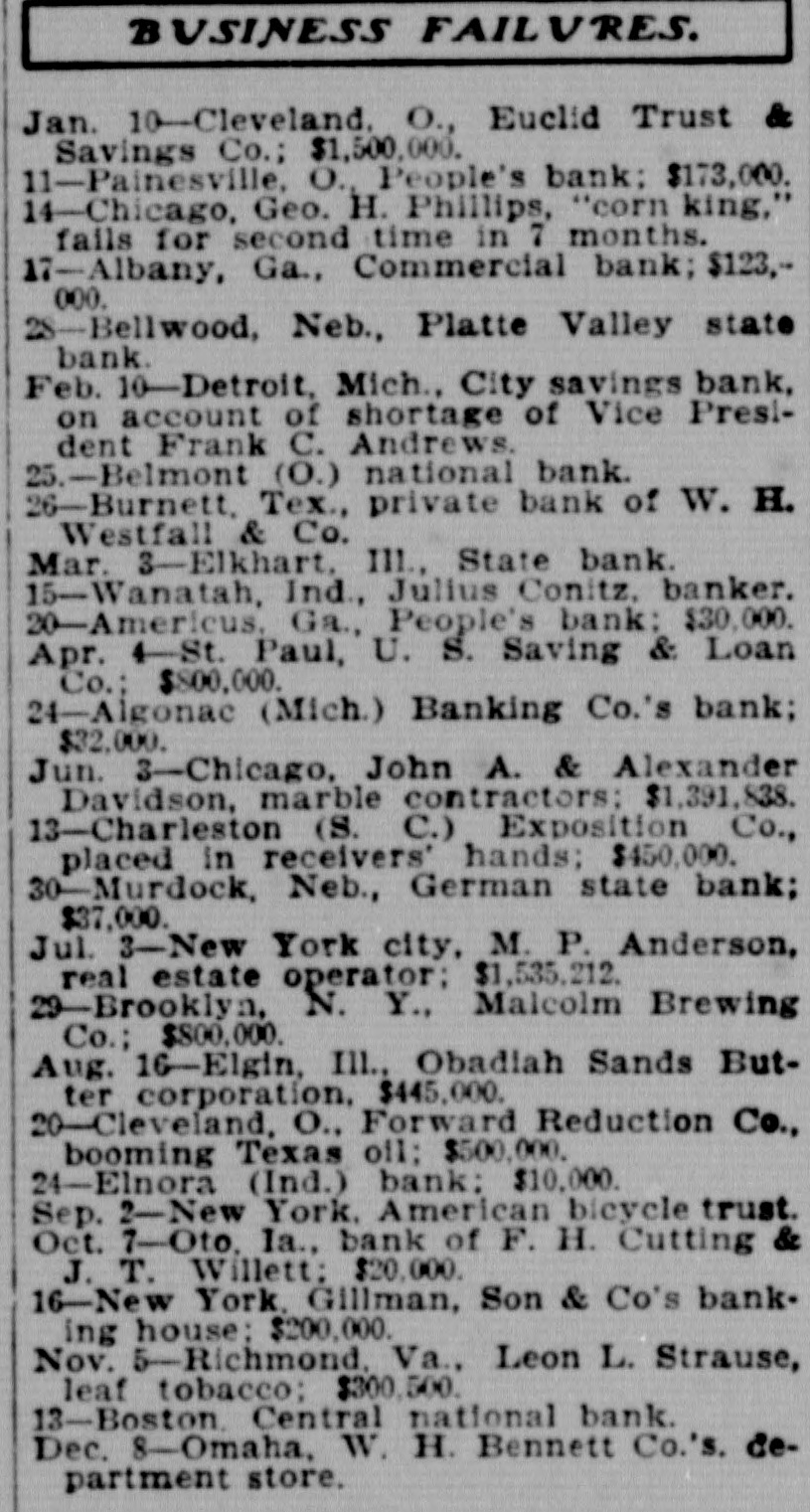
BUSINESS FAILVRES. Jan. 10-Cleveland, O., Euclid Trust & Savings Co.; $1,500,000. 11-Painesville, O., People's bank: $173,000. 14-Chicago, Geo. H. Phillips, "corn king," fails for second time in 7 months. 17-Albany, Ga., Commercial bank; $123,000. 2S-Bellwood, Neb., Platte Valley state bank. Feb. 10-Detroit, Mich., City savings bank, on account of shortage of Vice President Frank C. Andrews. 25.-Belmont (O.) national bank. 26-Burnett, Tex., private bank of W. H. Westfall & Co. Mar. 3-Elkhart, III., State bank. 15-Wanatah, Ind., Julius Conitz, banker. 20-Americus, Ga., People's bank: $30,000. Apr. 4-St. Paul, U. S. Saving & Loan Co.: $800,000. 24-Algonac (Mich.) Banking Co.'s bank; $32.000. Jun. 3-Chicago, John A. & Alexander Davidson, marble contractors; $1,391,838. 13-Charleston (S. C.) Exposition Co., placed in receivers' hands; $450,000. 30-Murdock, Neb., German state bank; $37,000. Jul. 3-New York city, M. P. Anderson, real estate operator; $1,535,212. 29-Brooklyn, N. Y., Malcolm Brewing Co.; $800,000. Aug. 16-Elgin, III., Obadlah Sands Butter corporation. $445,000. 20-Cleveland, O., Forward Reduction Co., booming Texas oil; $500,000. 24-Elnora (Ind.) bank: $10,000. Sep. 2-New York. American bicycle trust. Oct. 7-Oto. 1a., bank of F. H. Cutting & J. T. Willett: $20,000. 16-New York, Gillman, Son & Co's bank. ing house: $200,000. Nov. 5-Richmond, Va., Leon L. Strause, leaf tobacco: $300,500. 13-Boston Central national bank. Dec. 8-Omaha, W. H. Bennett Co.'s. department store.
Click image to open full size in new tab
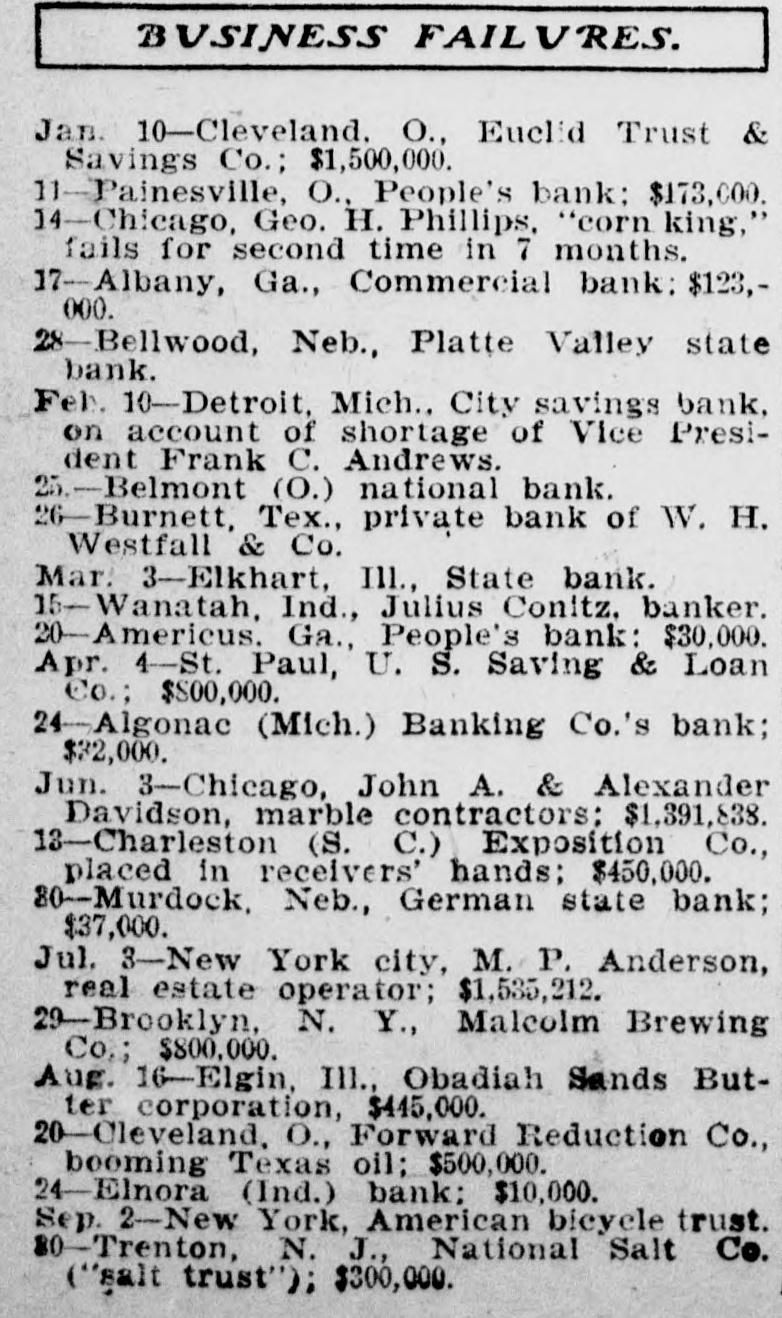
BUSINESS FAILVRES. Jan. 10-Cleveland, O., Euclid Trust & Savings Co.; $1,500,000. 11-Painesville, 0., People's bank; $173,000. 14-Chicago, Geo. H. Phillips, "corn king," fails for second time in 7 months. 17-Albany, Ga., Commercial bank; $123,000. 28-Bellwood, Neb., Platte Valley state bank. Feb. 10-Detroit, Mich., City savings bank, on account of shortage of Vice President Frank C. Andrews. 25.-Belmont (0.) national bank. 26-Burnett, Tex., private bank of W. H. Westfall & Co. Mar. 3-Elkhart, III., State bank. 15-Wanatah, Ind., Julius Conitz, banker. 20-Americus, Ga., People's bank; $30.000. Apr. 4-St. Paul, U. S. Saving & Loan Co.; $800,000. 24-Algonac (Mich.) Banking Co.'s bank; $32,000. Jun. 3-Chicago, John A. & Alexander Davidson, marble contractors; $1,391,838. 13-Charleston (S. C.) Exposition Co., placed in receivers' hands; $450,000. 30-Murdock, Neb., German state bank; $37,000. Jul. 3-New York city, M. P. Anderson, real estate. operator; $1,535,212. 29-Brooklyn, N. Y., Malcolm Brewing Co.; $800,000. Aug. 16-Elgin, III., Obadiah Sands Butter corporation, $445,000. 20-Cleveland, O., Forward Reduction Co., booming Texas oil; $500,000. 24-Elnora (Ind.) bank; $10,000. Sep. 2-New York, American bicycle trust. Oct. 7-Oto, la., bank of F. H. Cutting & J. T. Willett: $20,000. 16-New York, Gillman, Son & Co's banking house; $200,000. Nov. 5-Richmond, Va., Leon L. Strause, leaf tobacco; $300,500. 13-Boston. Central national bank. Dec. 8-Omaha, W. H. Bennett Co.'s. department store.
Click image to open full size in new tab
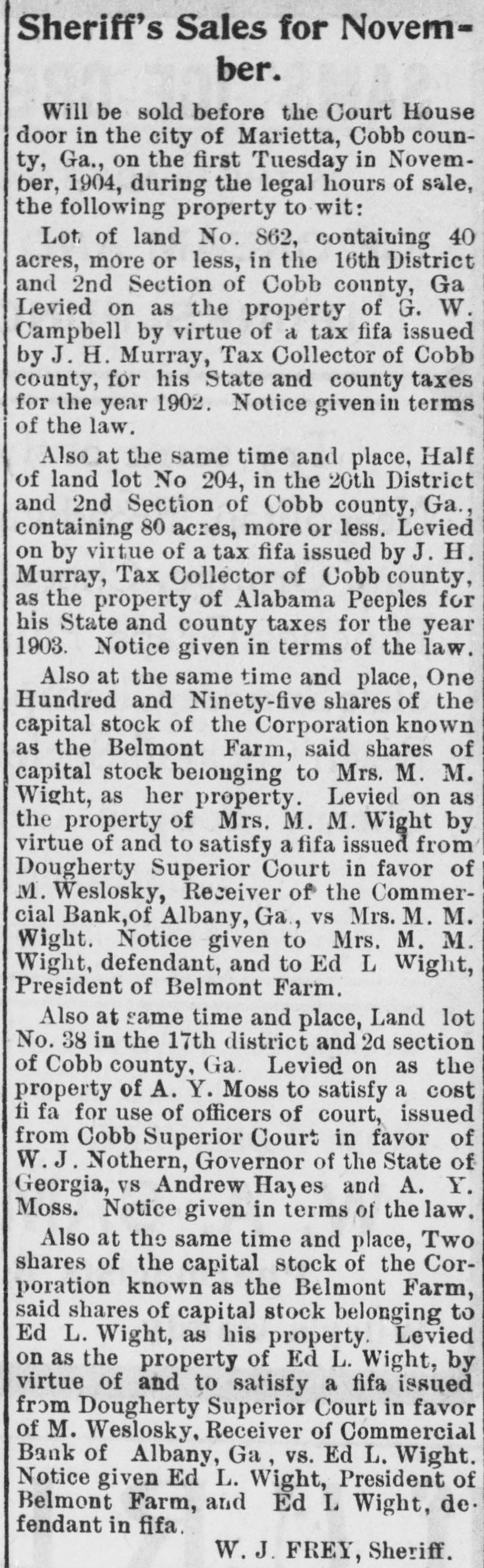
BUSINESS FAILVRES. Jan. 10-Cleveland. O., Euclid Trust & Savings Co.; $1,500,000. 11-Painesville, O., People's bank: $173,000. 14-Chicago, Geo. H. Phillips, "corn king," fails for second time in 7 months. 17-Albany, Ga., Commercial bank: $123,000. 28-Bellwood, Neb., Platte Valley state bank. Feb. 10-Detroit, Mich., City savings bank. on account of shortage of Vice President Frank C. Andrews. 25.-Belmont (O.) national bank. 26-Burnett, Tex., private bank of W. H. Westfall & Co. Mar. 3-Elkhart, Ill., State bank. 15-Wanatah, Ind., Julius Conitz. banker. 20-Americus. Ga., People's bank: $30,000. Apr. 4-St. Paul, U. S. Saving & Loan Co.; $500,000. 24-Algonac (Mich.) Banking Co.'s bank; $32,000. Jun. 3-Chicago, John A. & Alexander Davidson, marble contractors; $1,391,838. 13-Charleston (S. C.) Exposition Co., placed in receivers' hands; $450,000. 80-Murdock, Neb., German state bank; $37,000. Jul. 3-New York city, M. P. Anderson, real estate operator; $1,535,212. 29-Brooklyn, N. Y., Malcolm Brewing Co.; $800,000. Aug. 16-Elgin, Ill., Obadiah Sands Butter corporation, $445,000. 20-Cleveland, O., Forward Reduction Co., booming Texas oil; $500,000. 24-Elnora (Ind.) bank: $10,000. Sep. 2-New York, American bicycle trust. 80-Trenton, N. J., National Salt Co. ("salt trust"); $300,000.
Click image to open full size in new tab
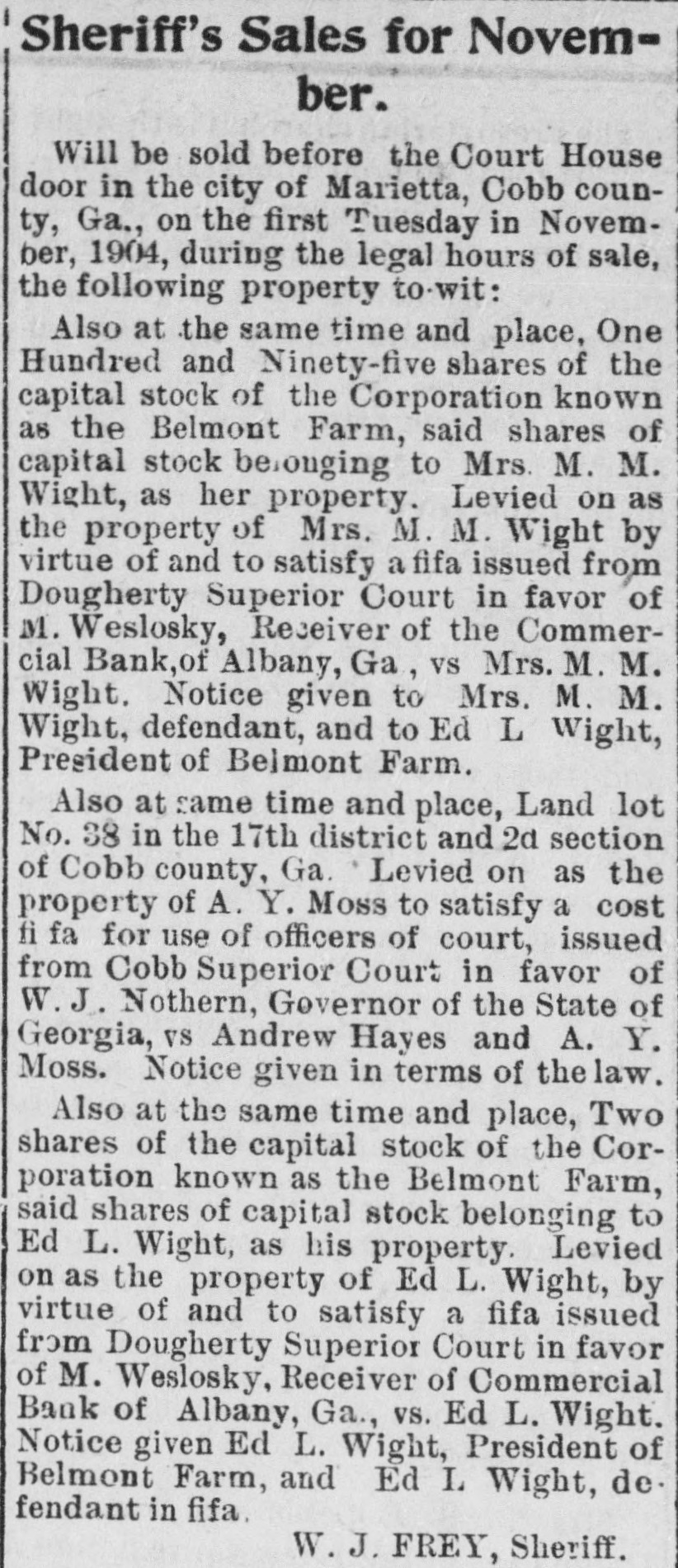
Sheriff's Sales for November. Will be sold before the Court House door in the city of Marietta, Cobb county, Ga., on the first Tuesday in November, 1904, during the legal hours of sale, the following property to wit: Lot of land No. 862, containing 40 acres, more or less, in the 16th District and 2nd Section of Cobb county, Ga Levied on as the property of G. W. Campbell by virtue of a tax fifa issued by J. H. Murray, Tax Collector of Cobb county, for his State and county taxes for the year 1902. Notice given in terms of the law. Also at the same time and place, Half of land lot No 204, in the 20th District and 2nd Section of Cobb county, Ga., containing 80 acres, more or less. Levied on by virtue of a tax fifa issued by J. H. Murray, Tax Collector of Cobb county, as the property of Alabama Peeples for his State and county taxes for the year 1903. Notice given in terms of the law. Also at the same time and place, One Hundred and Ninety-five shares of the capital stock of the Corporation known as the Belmont Farm, said shares of capital stock belonging to Mrs. M. M. Wight, as her property. Levied on as the property of Mrs. M. M. Wight by virtue of and to satisfy a fifa issued from Dougherty Superior Court in favor of M. Weslosky, Receiver of the Commercial Bank, of Albany, Ga., VS Mrs. M. M. Wight. Notice given to Mrs. M. M. Wight, defendant, and to Ed L Wight, President of Belmont Farm. Also at same time and place, Land lot No. 38 in the 17th district and 2d section of Cobb county, Ga. Levied on as the property of A. Y. Moss to satisfy a cost fi fa for use of officers of court, issued from Cobb Superior Court in favor of W.J. Nothern, Governor of the State of Georgia, VS Andrew Hay es and A. Y. Moss. Notice given in terms of the law. Also at the same time and place, Two shares of the capital stock of the Corporation known as the Belmont Farm, said shares of capital stock belonging to Ed L. Wight, as his property. Levied on as the property of Ed L. Wight, by virtue of and to satisfy a fifa issued from Dougherty Superior Court in favor of M. Weslosky, Receiver of Commercial Bank of Albany, Ga, vs. Ed L. Wight. Notice given Ed L. Wight, President of Belmont Farm, and Ed L Wight, de. fendant in fifa W.J.FREY, Sheriff.
Click image to open full size in new tab
# Sheriff's Sales for November. Will be sold before the Court House door in the city of Marietta, Cobb county, Ga., on the first Tuesday in November, 1904, during the legal hours of sale, the following property to-wit: Also at the same time and place, One Hundred and Ninety-five shares of the capital stock of the Corporation known as the Belmont Farm, said shares of capital stock belonging to Mrs. M. M. Wight, as her property. Levied on as the property of Mrs. M. M. Wight by virtue of and to satisfy a fifa issued from Dougherty Superior Court in favor of M. Weslosky, Receiver of the Commercial Bank, of Albany, Ga, vs Mrs. M. M. Wight. Notice given to Mrs. M. M. Wight, defendant, and to Ed L Wight, President of Belmont Farm. Also at same time and place, Land lot No. 38 in the 17th district and 2d section of Cobb county, Ga. Levied on as the property of A. Y. Moss to satisfy a cost fi fa for use of officers of court, issued from Cobb Superior Court in favor of W. J. Nothern, Governor of the State of Georgia, vs Andrew Hayes and A. Y. Moss. Notice given in terms of the law. Also at the same time and place, Two shares of the capital stock of the Corporation known as the Belmont Farm, said shares of capital stock belonging to Ed L. Wight, as his property. Levied on as the property of Ed L. Wight, by virtue of and to satisfy a fifa issued from Dougherty Superior Court in favor of M. Weslosky, Receiver of Commercial Bank of Albany, Ga., vs. Ed L. Wight. Notice given Ed L. Wight, President of Belmont Farm, and Ed L. Wight, defendant in fifa. W. J. FREY, Sheriff.
Click image to open full size in new tab
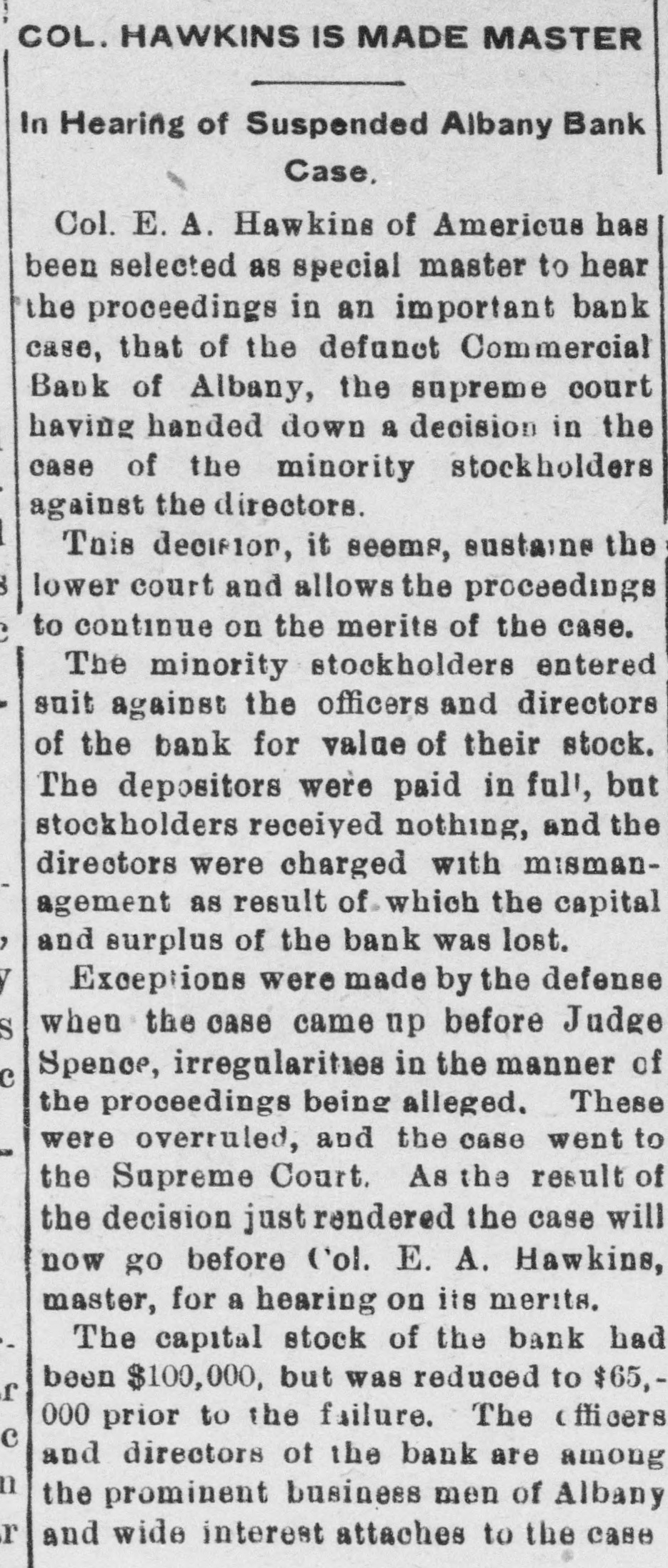
# COL. HAWKINS IS MADE MASTER In Hearing of Suspended Albany Bank Case. Col. E. A. Hawkins of Americus has been selected as special master to hear the proceedings in an important bank case, that of the defunct Commercial Bank of Albany, the supreme court having handed down a decision in the case of the minority stockholders against the directors. This decisior, it seems, sustaine the lower court and allows the proceedings to continue on the merits of the case. The minority stockholders entered suit against the officers and directors of the bank for value of their stock. The depositors were paid in ful, but stockholders received nothing, and the directors were charged with mismanagement as result of which the capital and surplus of the bank was lost. Exceptions were made by the defense when the case came up before Judge Spence, irregularities in the manner of the proceedings being alleged. These were overruled, and the case went to the Supreme Court. As the result of the decision just rendered the case will now go before Col. E. A. Hawkins, master, for a hearing on its merits. The capital stock of the bank had been $100,000, but was reduced to $65,000 prior to the failure. The officers and directors of the bank are among the prominent business men of Albany and wide interest attaches to the case.