Click image to open full size in new tab
Article Text
Pleasant Lake
Scott Center met defeat here day night Pleasant Lake basket ball team. score, 12 to 60. Mrs. Byrl Bennett and daughter. Moberly. spent week with and Edgar Bennett Married. Sunilay, November 11. Rer. Edward Madaline Nicholls, of St. Joe Indiana, and Beecher Lemmon. They at home their friends at the late Sarah Jackson home east of town and Mrs. spent Sunde with Ethel Sunday in Fort Wayne Homer Weaver, of Fort Wayne, (ended the meeting for men the tabernacle session our Sunday schools held at the tabermorning at Mrs. Freeman Smith visiting at argis Mich. this week Aid speiety of Mount church have Thanksdinner nd home Peter Crowl on Only 25 cents for good the Young Peoples' day when Mr speak the Life. will be furnished by the crchestra under direction and Mrs. Sunday days with Mr. and Mrs Sunday at Lansing Mich. and Mrs. Harry and Mrs. Estle Landis, Mr. Howard Johnson were the and Luther lows at Union City, Mich., Sunday Shaffer speat the past few Indianapolis Miss of Winona spent the with her The Sunday orches. the the tab the church Sunday afterand the was greatly by the large Mira Barnes, of Milan Mich., and other here Mrs. Emerett Huffman colored quartet expected sing at tabernacle some night week. also men's chorus from Frank Wilcos is confined the home the result of being kicked by Meetings at the tabernacle were attended large crowds Sunday and the interest The begin at o'clock each ning. and Mrs. Waldo Hulwick of spent Sunday with Mr. and Rev Bright has wrecked the parsonage barn and is building double garage Anstett and Reba Swinehart were dinner of Mr and Mrs. Ralph Newman. near Orland Sun-
The senior class play. His FathNiece' will be given early in December Annual election of officers will be held Gleaner hall Tuesday November The infant child of Mr. and Mrs Gafl Anstett died Tuesday brief service held at home Wednesday afternoon. Rev Bright Interment Pleasant Lake cemetery
CLEAR LAKE
Mr. and Mrs. Herbert Hull entertanied of friends, Sunday. Mr. and Mrs. George were recent callers at the home of the lat ter's sister husband, Mr. and Mrs. D. Hutchins, of Montgomery. Mrs. Clyde Logan thank the neighbors for their kindly assistance extinguishing the flames when her home caught fire Thursday evening. Logan is in poor health and confined to her bed. The fire considerable damage to the upper story of the house, Mr. and Mrs. Clifton Mr. and Chapin. of Fremont, and Wilson Duguid were Sunday afternoon callers of Mr. and Mrs. Clayton McNaughton and fam-
Wendal Lawmaster was a Sunday guest in the home of Charles Waltz and Rollo Thompson. wife and two children, of Coldwater. Mich., spent Sunday with his father, Alex Mr W Duguid have moved in their farm home which has been improved this summer They as Sunday guests Mrs. Duguid's Mr. and Mrs. John Gundrum. of Freand Mrs. George Gary made business trip to Angola, Monday. Rev. Roy Brown called on Mr. and Mrs. Kint and Mr. and Mrs. Carl Kint. Thursday. pleasant day was spent at the ladies' the Baptist church Thursday of last week. The teachand fifteen pupils from the Sand school were present the noon hour Mrs. Carrie Tompkins conducted fine in the ternoon. Four dollars were added to the treasury Mrs. Charles Day spent day recently with Mrs. Charles Gunn.
Miss Pauline Court returned home Monday from Battle Creek, where she has been workJames Adams was in Fort Wayne Saturday to his brother Ralph, is hospital there. Curtis Court and family and JonEglekrant spent Sunday their sister. Arthur Williamand family of John Reese wife had as dinguests Sunday their Burton and family of Camden, and Mrs. Stoner, and Mrs. Glenn Miller, of Hillsdale.
Miss Joe Wicoff of spent the with her brothand Al Rowe, South Camden, spent Saturday and Sunday at Mrs Camp-
Albert Steel is recovering nicely from operation he at his home last Thursday morning. Bates, of of and nurse Shoup, of Camden. Miss Clela O'Conner is gaining slowly Ray Hall and Howard Fiser Hicksvlle visitors Monday Robert Eatinger is gaining.
EAST METZ
Ernest Wisner and family under Fred Willibey and family and resident ville Willibey were Sunday guests of Paul Willibey's of Angola resident The Bible class took their dinners Said and spent the day with Mrs. Anna which their bid. and Mr. and Mrs. Will Enfield and son submit such affidavit failure Kenneth were Sunday guests of Mr. rejected the and James Wisner bids Lester Lechleidner and work Wavel Stackhouse and Miss Henri- agreed after board etta Sunday guests of missioners bidder Eugene Brooks and family Miss Jessie Folek was Saturday night guest of Miss Aliene Willibey 11ah Wisner, of Fort Wayne. spent Saturday night and Sunday with the home folks OF Miss Geraldine Wisner spent REAL few days last week in the home of County SeptemMr. and Mrs. James Colon, of Lockport. Ohio. Nelson Mr. and Mrs. Clarence Richardson of near Angola. spent their Mrs. Hugh Campbell Edith Kelley Auburn and family Indiana
Church Notes Preaching services will be at Notice of Sale of next Sunday morning Sunday Real school will be after preaching under Junior and Senior Endeavor in the evening at 7:00 o'clock order Prayer each Wednesday evening Rev. H. B. Peter is holding revival meeting at the Hamilton Class will have class meeting with Mr. and Mrs James said Wisner Tuesday night. November Each member of the class requested to be present
CALIFORNIA, MICH.
Indiana the to nesday evening at home of Mr. and Urias Boyd fine time than had and good attendance for stormy night. Mr. and Mrs. Taylor. of Ba- least and and Mrs. Jay Salisand busy of Coldwater. were guests day of Mr. Mrs. Cleveland and for dinner Saturday Mrs. Genevera McNadghton was their guest. relief from Mr. and Mrs. Jake Knapp and Orlo attended birthday dinner on Sunday at home of her cash day John Taylor Other guests sister Mr and Sam Knight of West Fremont. and sister, Mr and Mrs. Dan Foulk and son Floyd. and Mr. and Mrs. Clayton Bowersox, of Jonesville in honor of Mrs. Taylor's birthday Mr. and Mrs Herle Frye and son. of Union City, spent Sunday with and The funer] Adam Cass was held at the church here. recently. He used to live here for several year past lived with his wife and Three Rivers Mr and Mrs. Tony Parka entertained company from Blissfield, Sunday.
The delegates who attended the Sunday school convention Bronson Wednesday, report fine time. Don't forget the ladies' aid clety meets with Mr and Mrs. ward Stalliman this week Thursday Robert Wise is on the sick list.
EAST GILEAD
The rumor that Howard man was was verified the other night he with an old to which he responded generous His many friends extenddone ing Laura Heitz and son Homer from Auburn. Perry Heitz, wife and daughter Amber, from Garrett. spent Sunday with and family and attended church here, John Zull having next Tuesday he rented his farm Ross The Ladies Aid will serve lunch. Roy Garman is home with his good present Mrs. Libbie Davis returned home Sunday from two weeks' visit est with relatives in Battle Creek Rally Day will be held at Evangelical church next Sun day all day Sunday school and church in forenoon 10 and Potluck dinner at noon. Rally Day program invited especially those who have formerly attended Sunday school here. John Zull and wife and Ross and spent Sunday with Ed. Zull and Quincy Jay and of Cold water and Will Hughes and from Bethel, Sunday guests of George Steffey and family.
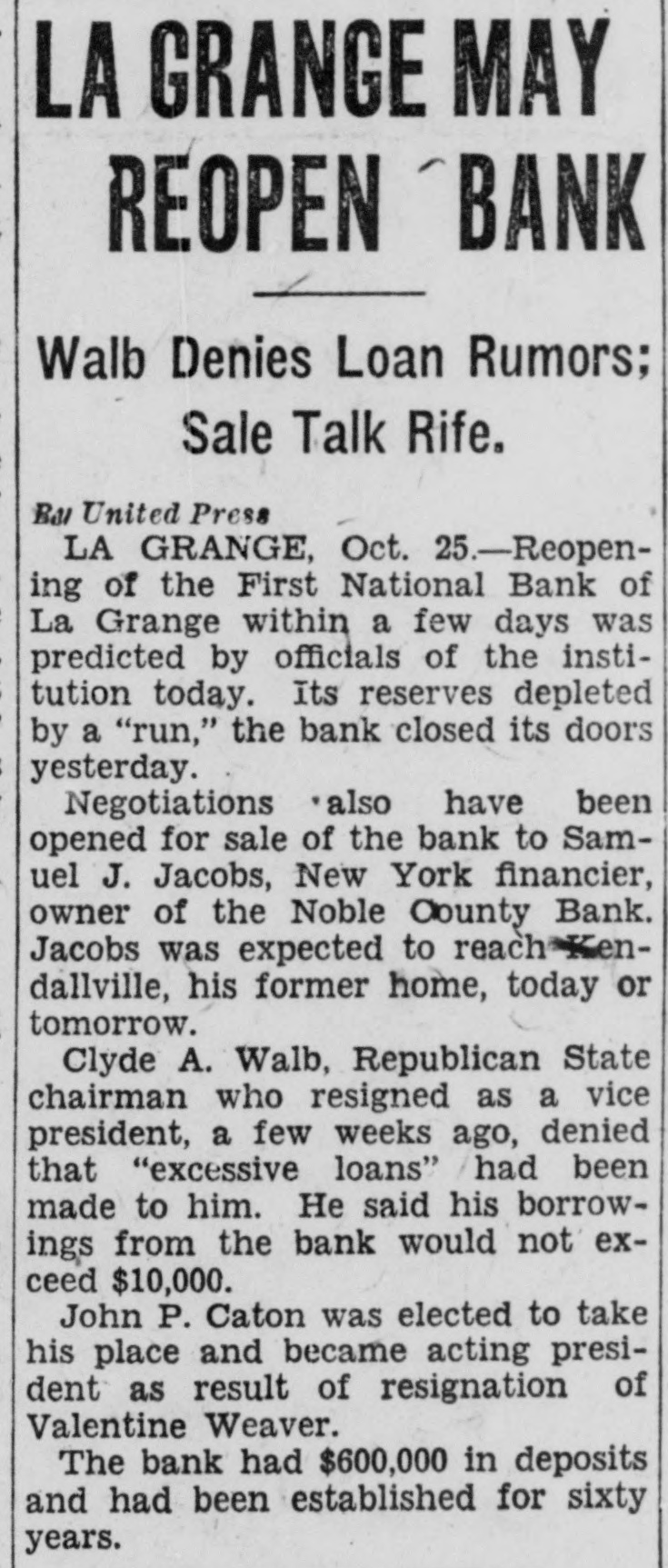
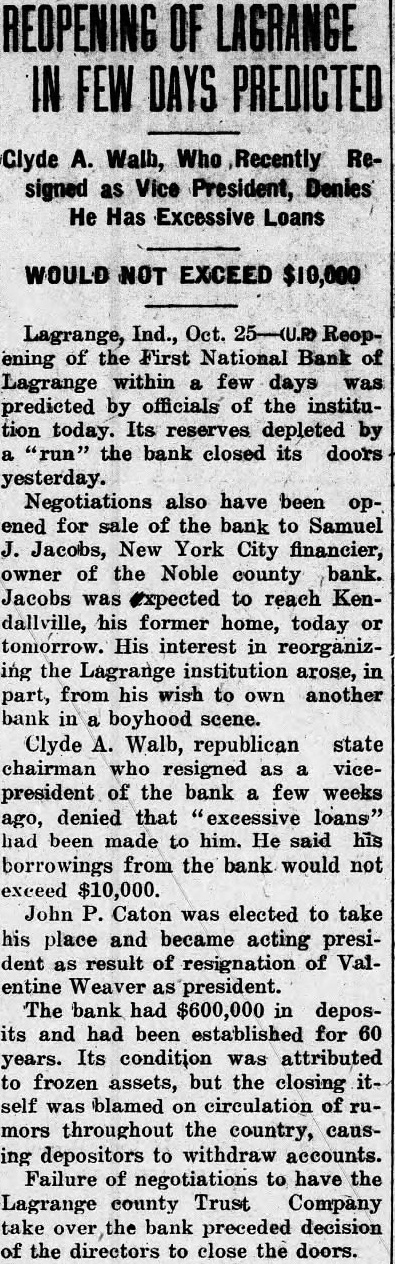
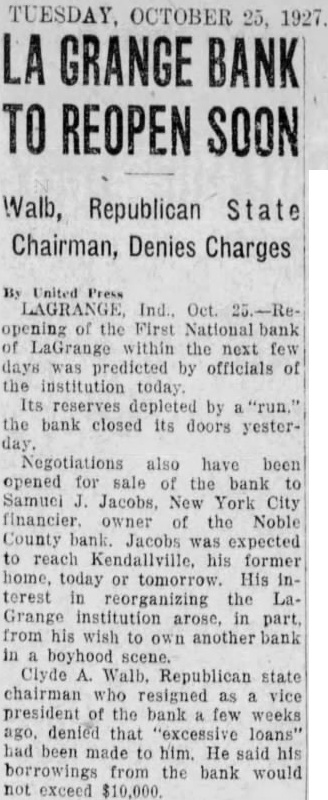
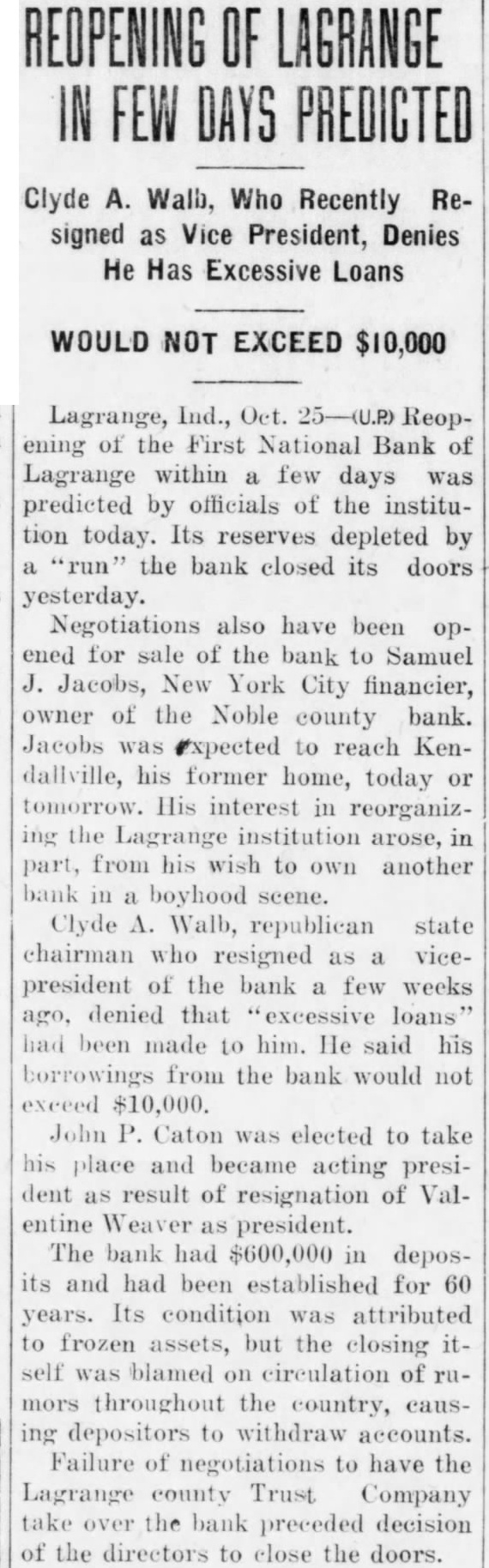
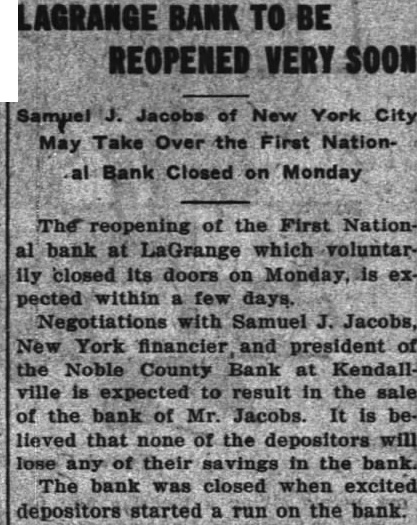
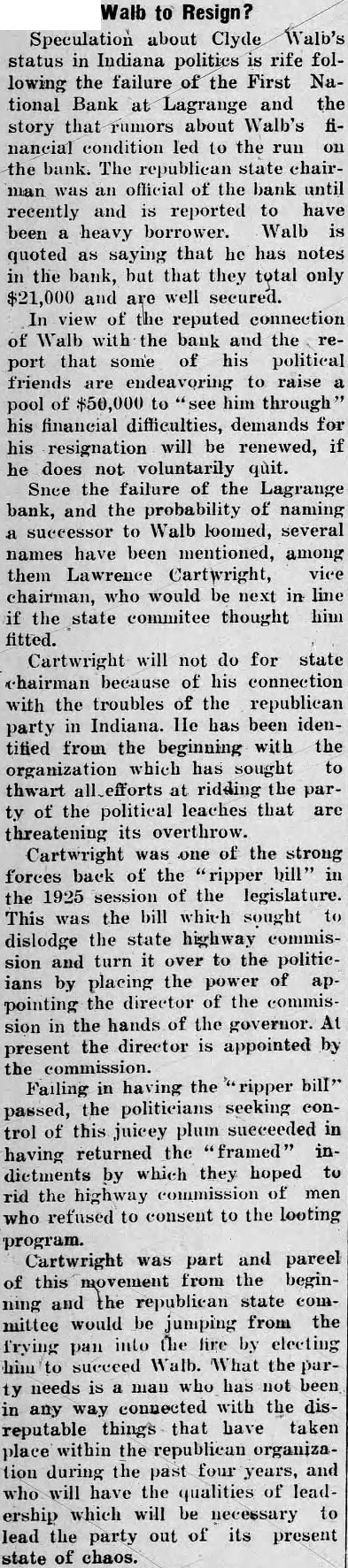
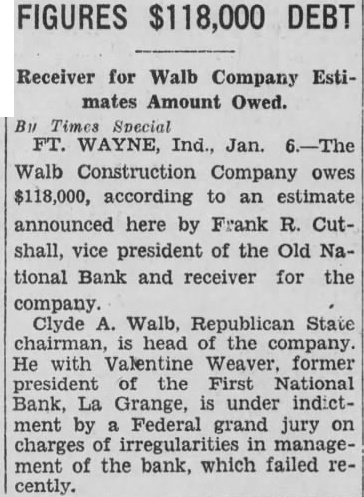
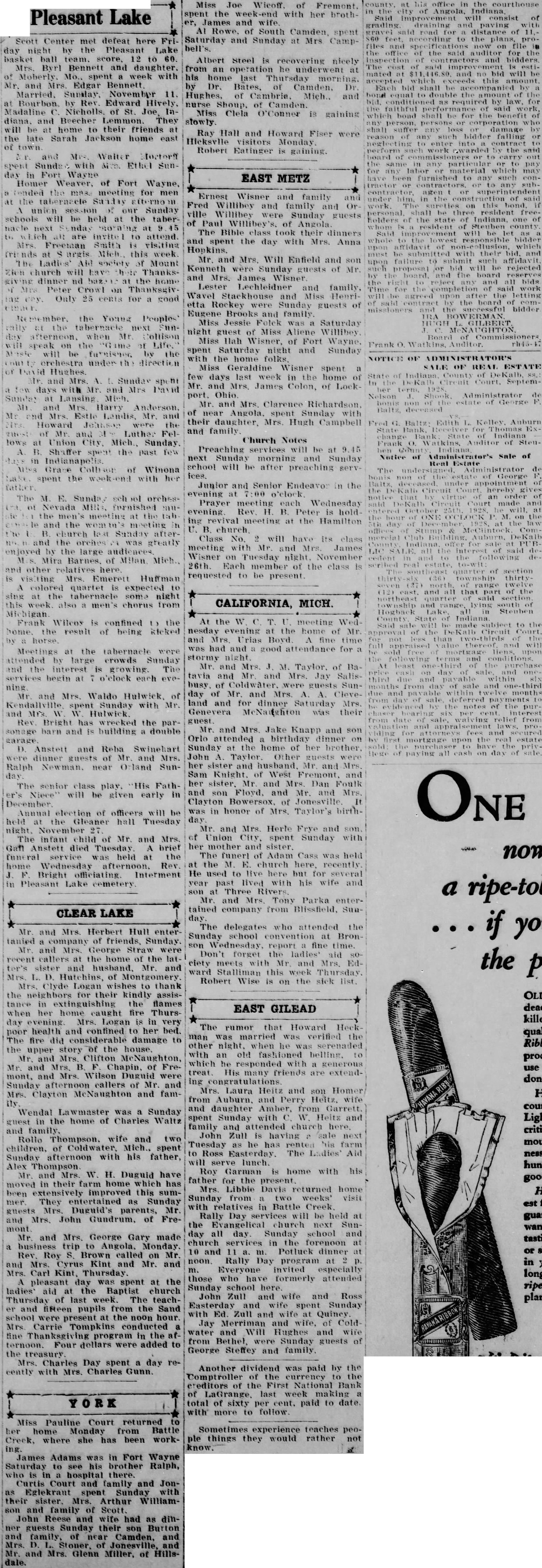
Another dividend was paid by the Comptroller of currency creditors of the First National Bank of LaGrange. last week making total of sixty cent. paid to date. with more follow
Sometimes experience teaches peothings they would rather not know