Article Text
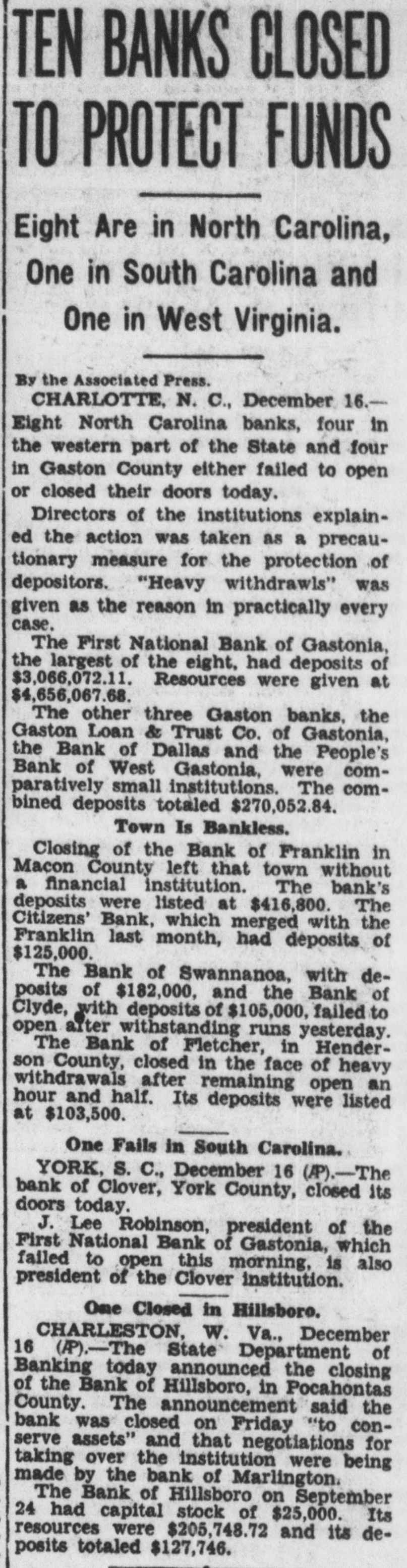
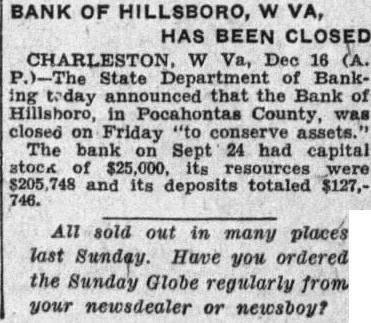
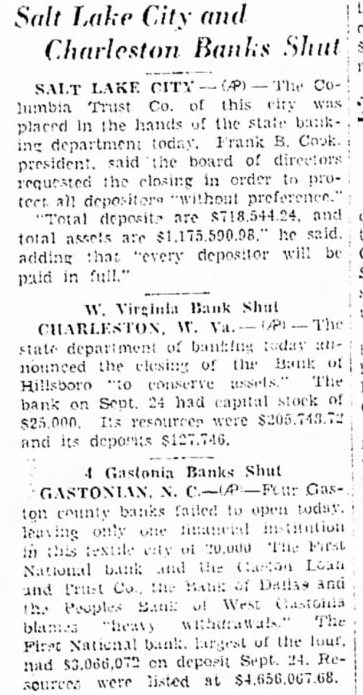
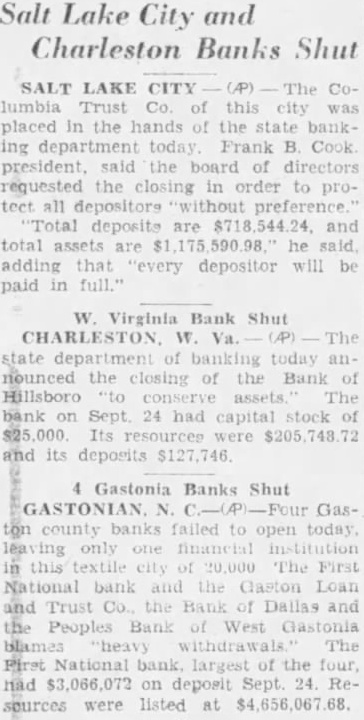
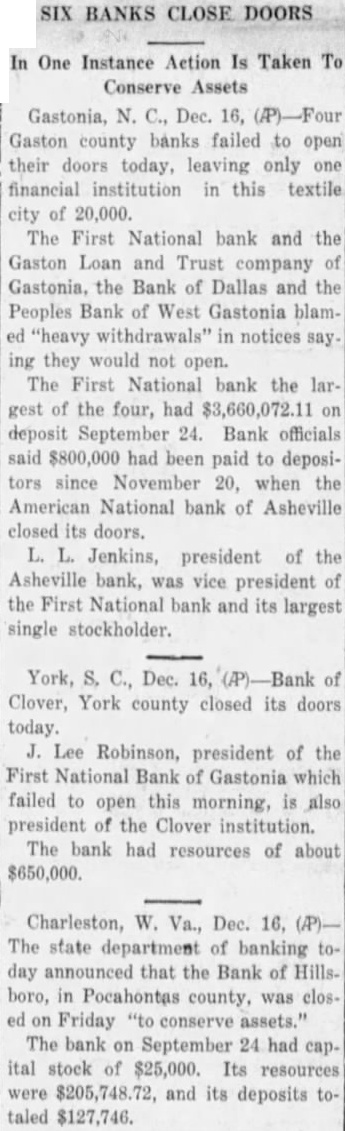
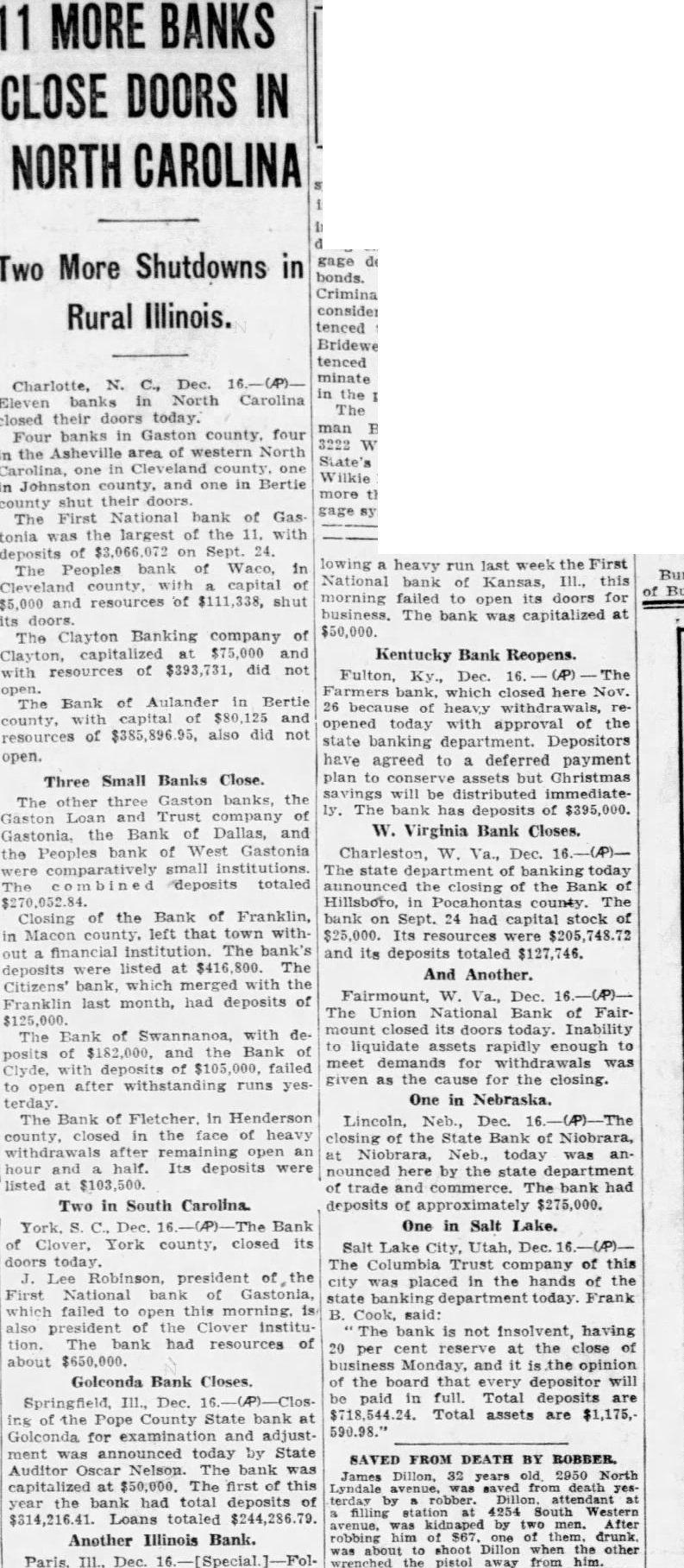
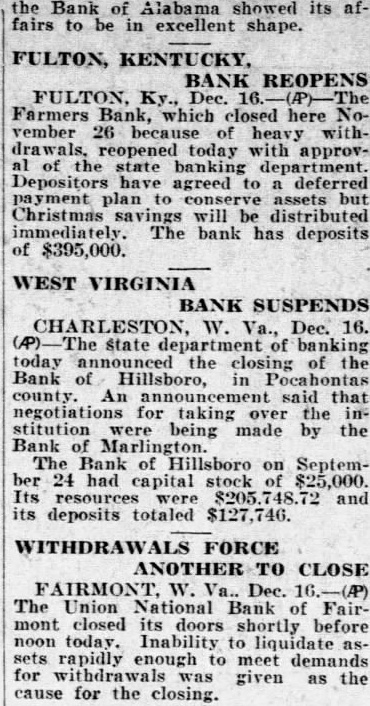
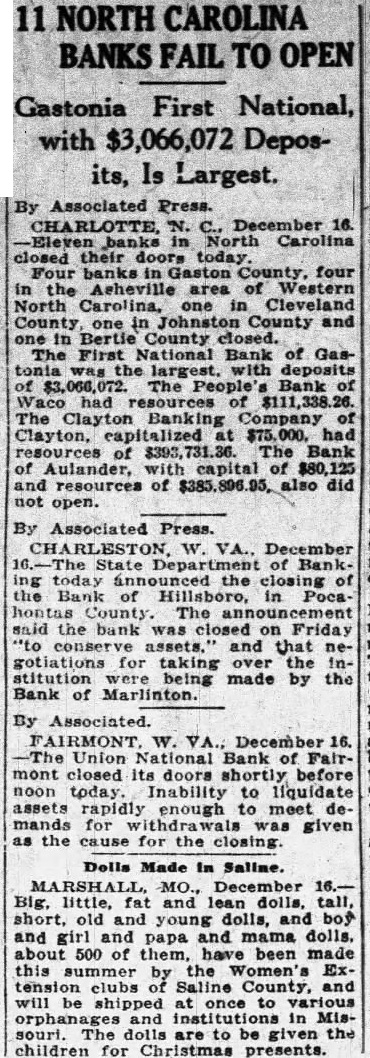
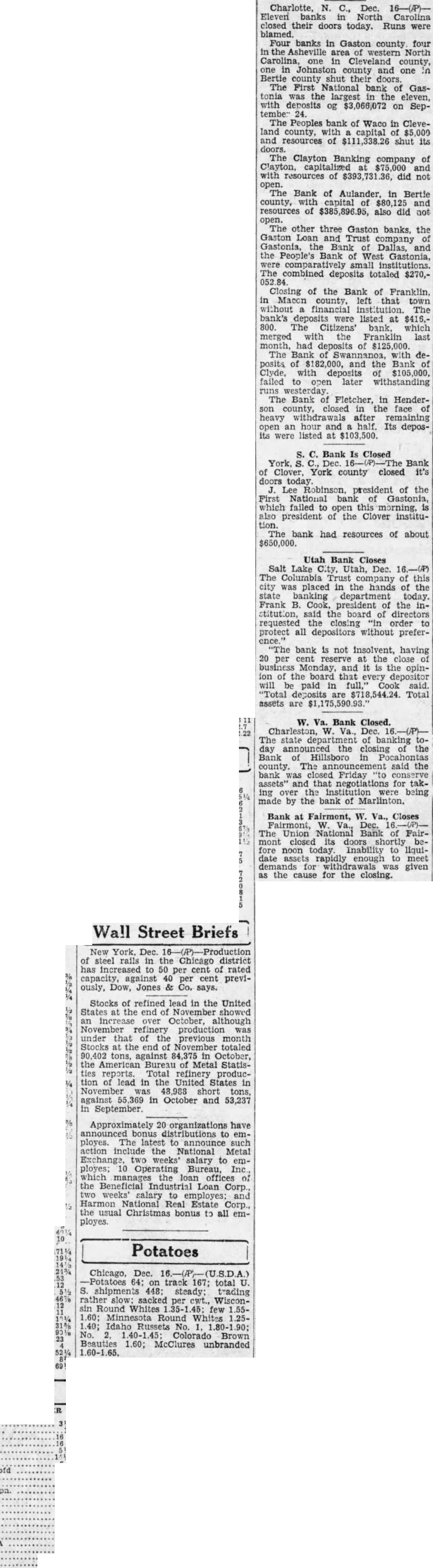
Wall Street Briefs New York, Dec. of steel rails in the Chicago district has increased to 50 per cent of rated against 40 per cent previously, Dow, Jones & says. Stocks of refined lead in the United States at the end of November showed an increase over October, although November refinery production was under that of the previous month Stocks at the end of totaled tons, against 84,375 in October, the American Bureau of Metal Statisties reports. Total refinery production of lead in the United States in November was 48,988 short tons, against 55 369 in October and 53,237 in September. Approximately 20 organizations have bonus distributions to employes. The latest to announce such action include the National Metal Exchange, two weeks' salary to employes; 10 Operating Bureau, Inc. which manages the loan offices the Beneficial Industrial Loan Corp., weeks' salary employes; and National Real Estate Corp. the Christmas bonus to all employes. Chicago, Dec. (U.S.D.A.) Potatoes 64: on track 167; total U. shipments 448: trading rather slow: sacked per cwt., Wisconsin Round Whites few Round Whites 40; Idaho Russets No. No. Colorado Brown Beauties 1.60; McClures unbranded 1.60-1.65. Charlotte, N. C., Dec. 16-(P)Eleven banks North Carolina closed their doors today. Runs were blamed. Four banks in Gaston county four in the Asheville area western North Carolina, one in Cleveland county, one in Johnston county and one in Bertie county shut their doors. The First National bank of Gastonia was the largest the eleven, with deposits og $3,066,072 on Sep24. The Peoples bank of Waco in Clevecounty, with capital of and resources of $111,338.26 shut its The Clayton Banking company of Clayton, $75,000 of did not open. The Bank of Aulander, in Bertie county, with capital $80,125 and resources of $385,896.95, also did The other three Gaston banks, the Gaston Loan and Trust company of Gastonia, the Bank of Dallas, and the People's Bank of West Gastonia, comparatively small institutions. combined deposits totaled $270,Closing of the Bank of Franklin, in Macon county. that town without financial institution. The bank's deposits were listed at $416,800. The Citizens' bank, which merged with the Franklin last had deposits of $125,000. The Bank of with deof $182,000, and the Bank Clyde, with deposits of $105,000, failed to open later withstanding runs westerday. The Bank of Fletcher, in Hendercounty, closed in after an hour and half. Its deposits were listed at $103,500. S. C. Bank Is Closed York, S. Dec. Bank of Clover, York county closed it's today Lee Robinson, president of the First National bank of Gastonia, which failed to open this morning, also president of the Clover institution. The bank had resources of about $650,000. Utah Bank Closes Salt Lake Utah, Dec. The Columbia Trust company of this city was placed in the hands of the banking department today. Frank B. Cook, president of the institution, said the board of directors requested the closing "in order to protect all depositors without preferThe bank is not insolvent, having 20 per cent reserve at the close Monday, and it is the opinion of the board that every depositor be paid in full,' Cook said. "Total are $718,544.24. Total assets are $1,175,590.93.' W. Va. Bank Closed. Charleston, W. Dec. The state department of banking today the of the Bank of Hillsboro in county. The said the bank was closed Friday "to conserve assets" and that negotiations for taking over the were being by the bank of Marlinton. Bank at Fairmont, W. Va., Closes Fairmont, Dec. The Union of Fairclosed its doors benoon today. Inability to liquiassets rapidly enough to meet demands for was given as the cause for the closing. pfd