Click image to open full size in new tab
Article Text
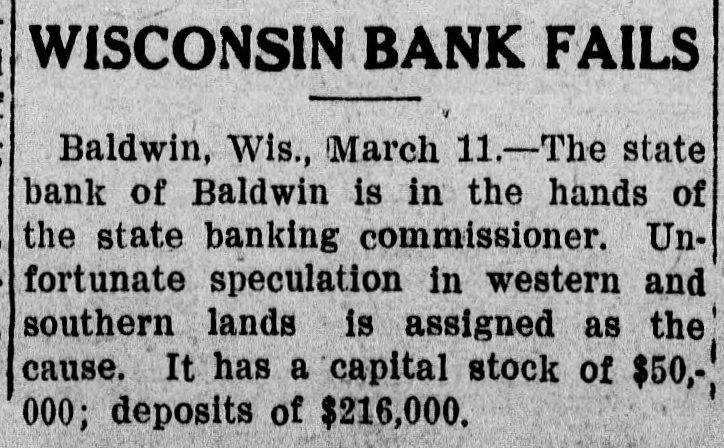
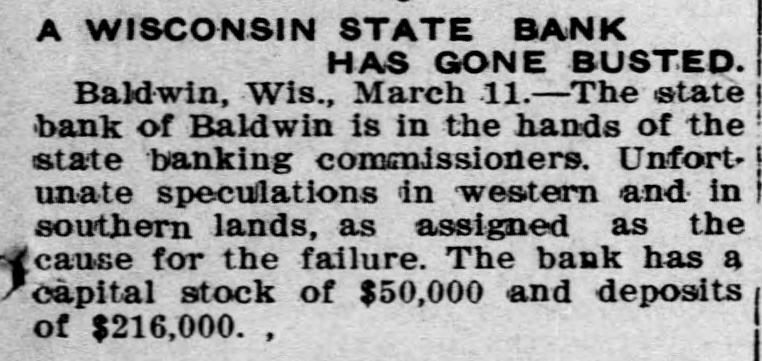
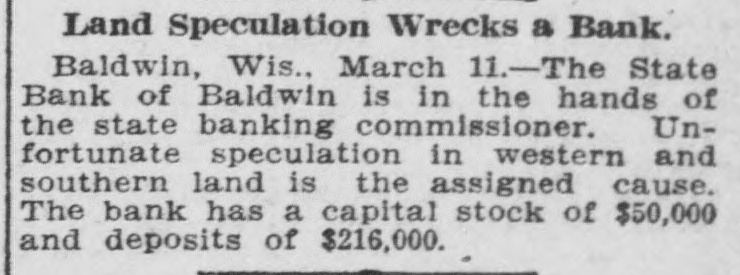
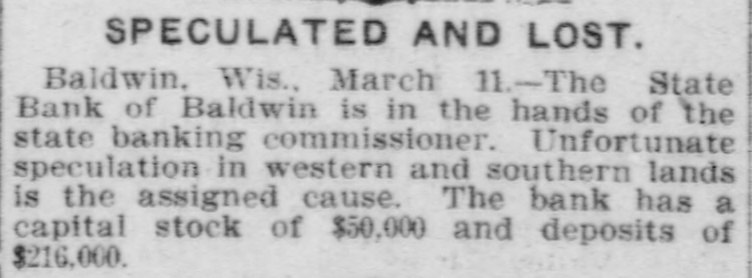
Telegraph Brevities KING TO SEE AIRSHIP FLIGHT-Paris March 11. King Edward is expected to come here tomorrow from Biarritz to witness an aeroplane flight by Wilbur Wright. OLDEST IOWAN DIES Des Moines, la. 11. Airs. Ruth McPherson, a noted char March acter of this city, died today. aged 102 years. She was the oldest person in Iowa. CORNELL PROFESSOR DIES-Ithaca, N. Y. 11. Mark Vernon Slingerland. a profesMarch at Cornell university, and well known as a contributor sor to scientific journals, died here today, aged 45. JESSE M. SMITH DEAD-Washington, March of Jesse M. Smith. for 20 years auditor 11. interstate commerce commission, veteran confederate the soldier and railroad expert, died here today. aged 62. PIONEER OILMAN DIES New York. March 7. Eza H. Bryner. president of section No. 11 of California, and a pioneer in the oil industry. Oil Company died at his home today in East Orange from pneumonia. MRS. LEO BAUMANN KILLED New York, March 11. Mrs. Leo Baumann. wife of a wealthy New York furniture dealer, was owned struck and killed tonight by an automobile by Tully C. Este, a flour merchant. FIRE AT MANHATTANTonopah, March 11. A fire started in the Nevada hotel in Manhattan at 10:45 o'clock this evening. The flames spread to the Santos and Sullivan residences. adjoining All three were burned. at a loss of $10,000. AMERICAN DUCHESS LOSES SON Paris, 11 Francois. the 4 year old son of the duclfess March de la Rochefoncauld, died today of meningitis. The duebess de la Rochefoucauld is a daughter of the late Senator Mitchell of Oregon. UNIONIST SERVING TIME-New Haven. Conn., March 11. Frank F. McGee of Worcester, Mass.. national organizer of the molders' union. today began a sentence of one year for intimidating nonunion men in a local foundry during a recent strike. SAN JOSE ENGINEER DISAPPEARS San Jose, March 11 Herman Banta, for 20 years employed as engineer and at other occupations in the county hospital, was given permission on March 1 to come to this city and has not been seen or heard from since. BANK IN BAD SHAPE Baldwin, Wis. March 11 The State bank of Baldwin is in the Unhands of the state banking commissioner. fortunate speculation in western and southern land is the assigned cause. The bank has a capital stock of $50,000 and deposits of $216,000. SIGNS SANITARIUM BILL-Springfield, III. March 11 Governor Deneen today signed the bill authorizing the erection and maintenance of bill tuberculosis sanitariums in cities. The becomes a law and can be submtted to the referendum vote by the citizens of Chicago at the spring election. ROOSEVELT RELATIVE DIES Poughkeep sie, N. Y., March 11. -John Aspinwall Roose velt. a distant relative of Theodore Roosevelt. died at his home on the north road near this city today. Mr. Roosevelt was a noted yachtsman and was the owner of a fleet of yachts in the Hudson river ice yacht club. HEAVY LOSSES OF SHEEP-Ro Springs, Wro., March 11. Enormons lossés of sheep among the flocks of the Red Desert district are reported as a result of the deep snow and the inability of the sheep to get to feed. One Hock master is reported to have lost 50,000 head in the last month. TALKS NINE HOURS-Nashville Tenn., March 11. Attorney Washfugton, defending the Coopers and Sharp. on trial charged with murdering E. W. Carmack. spoke nine hours today, and then did not get through. When court adjourned. he announced he would conclude some time tomorrow LEMP DECREE MODIFIED-St. Louis, March 11.-The decree of divorce recently granted to Mrs. Lillian Handlar-Lemp from William J. Lemp Jr. was modified .by Judge George Hitchcock today so as to make the $6,000 annual of alimony payable quarterly during the life Mrs. Lemp or until she marries again. LANDSLIDE BLOCKS TRACK San Luis Obispo, March 11. Through traffle between San Francisco and Los Angeles on the Southern Pacific company's coast line was blocked today by a landslide near Drake station just north of Point Conception. Three hundred feet of track were buried under bowlders and tons of earth. TREASURER MACKAY RESIGNS-New York. March 11 At a meeting of the directors of the Colorado and Southern railway today James Stuart Mackay resigned as secreand treasurer of the company. and T. C. tary Nichols, third vice president and secretary of the Great Northern was elected to succeed him. TRAIN WRECKERS AT WORK-Monroe March 11. As a result of the work of train La., wreckers, the southbound express on the Arkansas, Louisiana and Gulf railroad was derailed 20 miles north of this city shortly before midnight last night. Engineer c. W. McDaniel was killed and Fireman J. B. Gowan seriously hurt. BEVERIDGE OPERATED ON-Baltimore, 11 United States Senator Beveridge unMarch derwent an operation at Johns Hopkins hospitoday. While it was delicate. the operatal said to be not of serious character tion and the was surgeon does not fear but that Beveridge will be able to get about in a few days. WOMAN ATTEMPTS SUICIDE WITH SHEARS Sacramento, March 11. Using a pair of small. blunt seissors, Mrs. J. B. Sexton, wife of a traveling salesman and former newspaperattempted to take her own life today by slashing man. her throat. She succeeded in inflicting two gashes, but the physicians at the receiving hospital saved her life.