Click image to open full size in new tab
Article Text
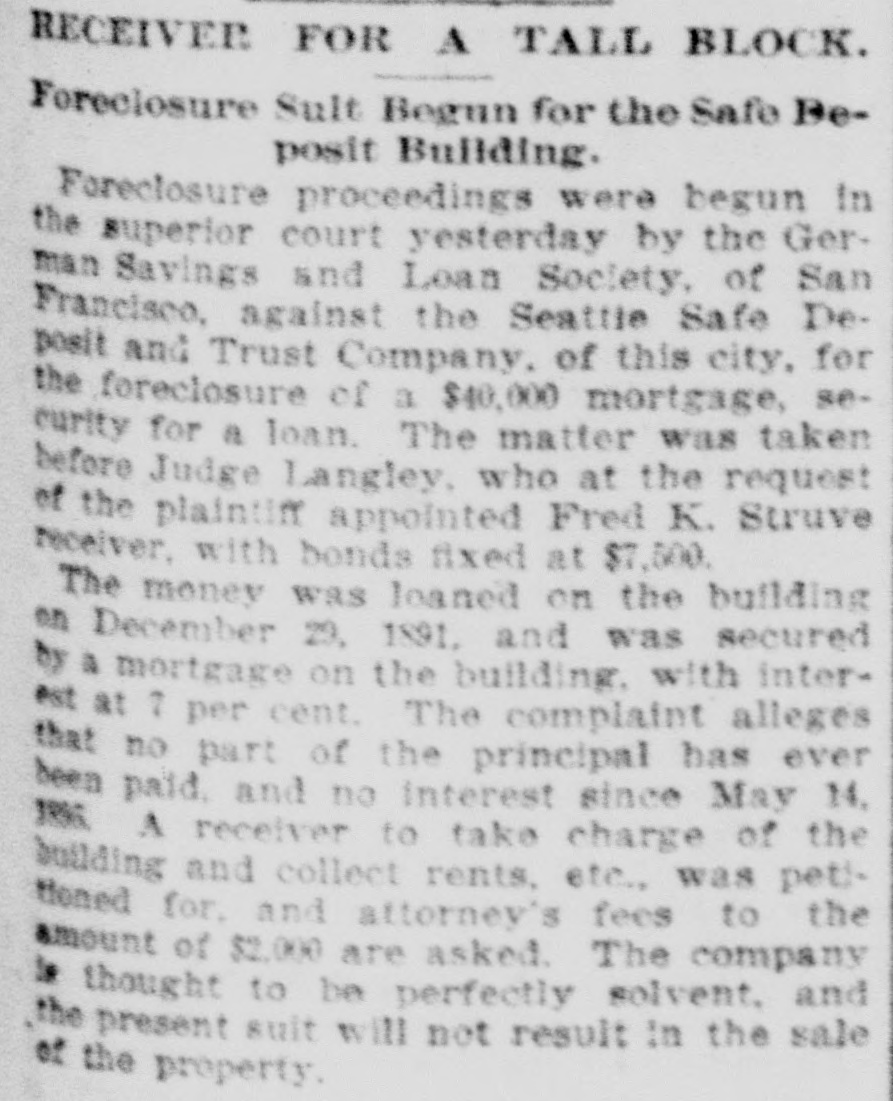
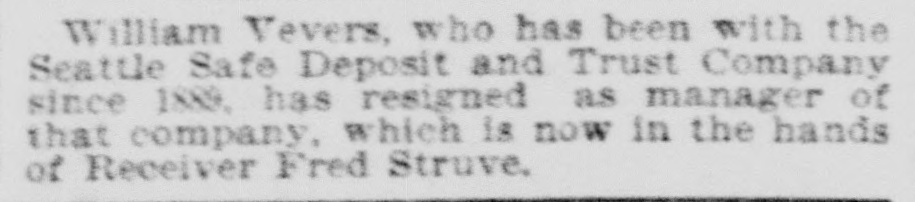
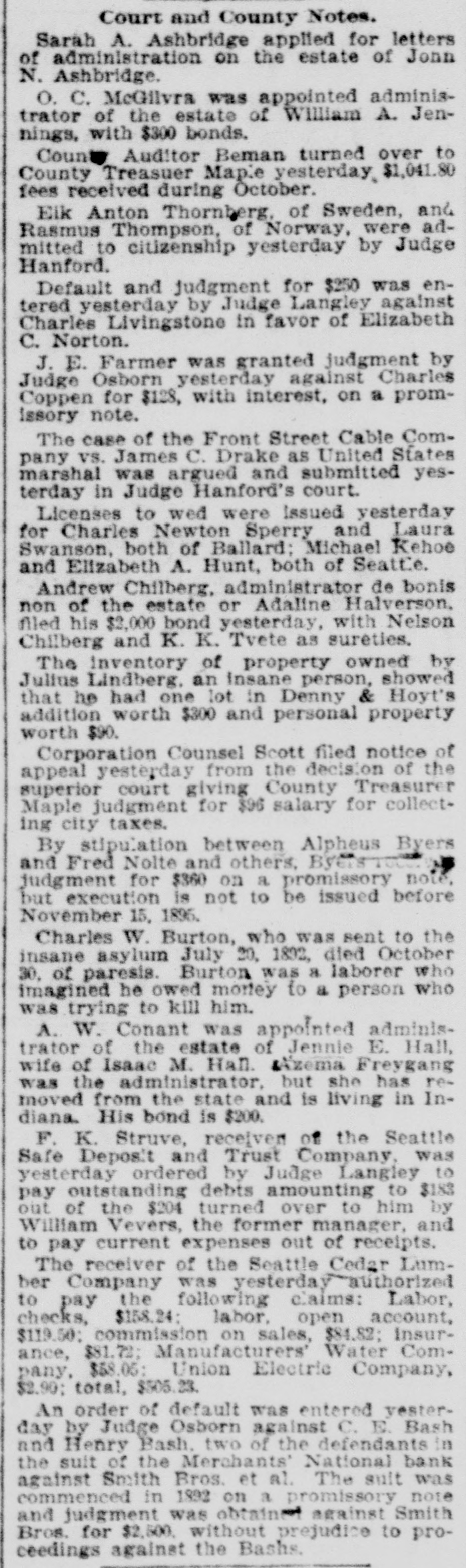
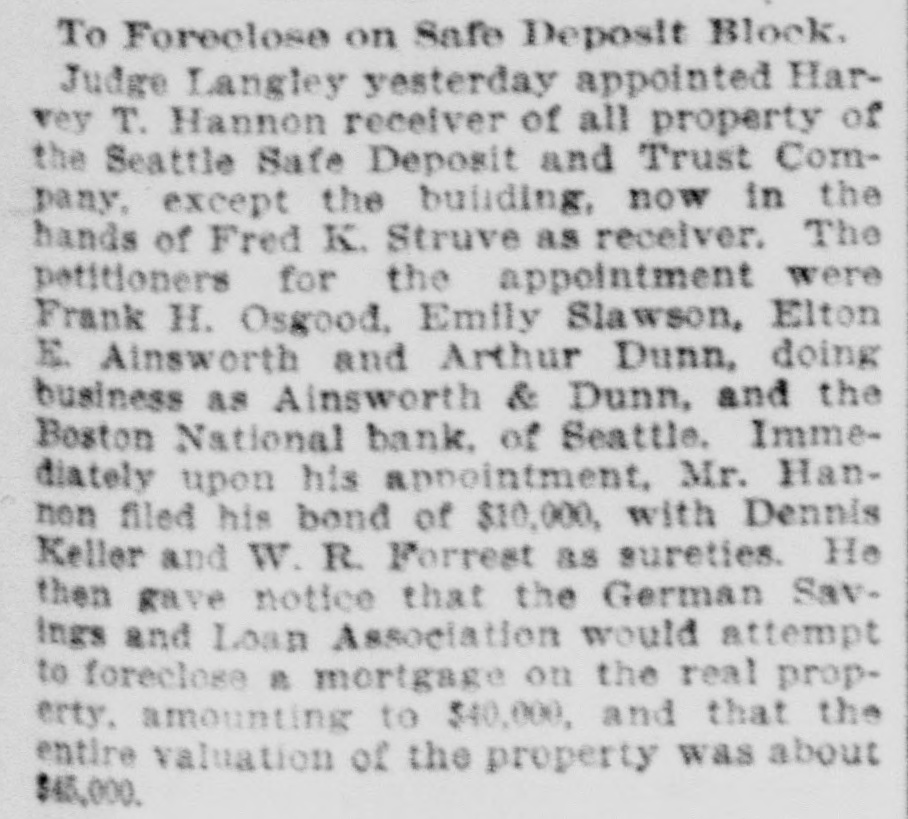
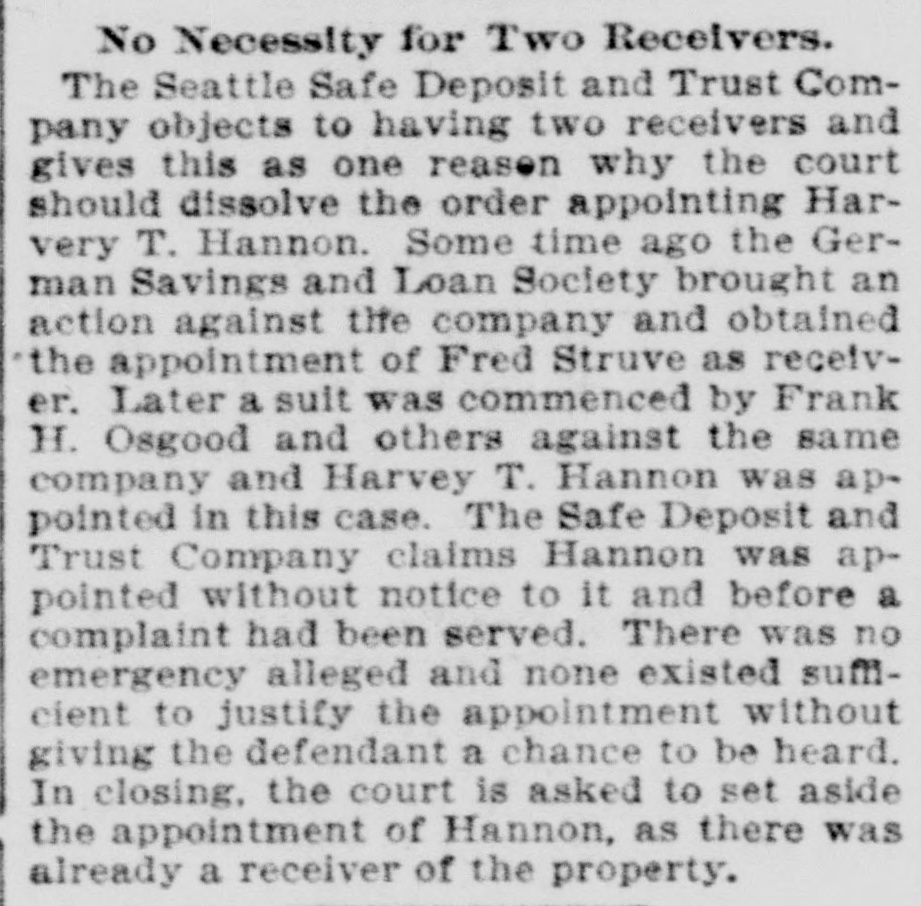
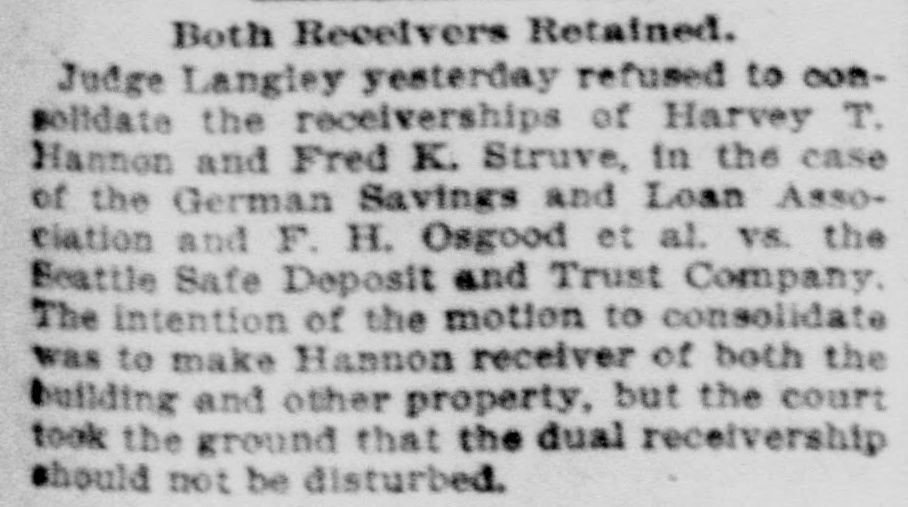
Haven's cough syrup. Gem drug store. Court and County Notes. Judge Osborn yesterday gave H. B. Bagley judgment by default against Edwin M. Church and wife for $2,309.85. The board of county commissioners after a short session yesterday afternoon adjourned till the first Monday in January. Testimony in the logging case was continued before Judge Langley yesterday, and at adjournment the case went over till Thursday. On stipulation of the attorneys concerned, Judge Langley yesterday dismissed the case of A. J. Bittinger vs. George Dawson et al. Judge Osborn yesterday granted an order to sell the Richman stock of goods at 208 Commercial street on petition of the Peerless Manufacturing Company. Judge Osborn yesterday rendered a decree in favor of Frank I. Blodgett for $9,692.72 against C. M. Sheafe et al., with foreclosure lands and bank stock. Judge Langley yesterday confirmed the sale of real estate in the following cases: J. Albert Jackson vs. Frank B. Sparlow et al; Moses Morris vs. James Duvall et al. Receiver Charles H. Baker, of the Merchants' National bank, was given authority by Judge Hanford to sell the bank's personal property from time to time as he sees fit. By order of Judge Osborn R. H. Ballinger was yesterday added to the list of defendants in the case of the Columbia & Puget Sound Railroad Company vs. John V. Ritten et al. Judge Osborn yesterday entered default against the substituted defendants, J. G. Richville and R. H. Richville, in the case of the Minnesota Type Foundry Company vs. the Seattle Transfer Company et al. Judge Langley yesterday gave an order enjoining Jasper Hanson from disposing of property belonging to John Johnson and Mary A. Hanson, against whom Johan T. Smith holds an unsatisfied judgment for $274.73. Judge Langley yesterday temporarily enjoined the Stillaguamish & Sultan Mining Company from further issuance of preferred stock pending the suit of Alexander H. Morrison and James Sheehan against that corporation. Fred K. Struve was appointed by Judge Langley receiver for the Seattle Safe Deposit & Trust Company building, and was authorized to lease banking room on the first floor of that building 40 the Scandinavian-American bank for three years at $150 a month. W. J Shinn, as assignee of J. E. Ralph, yesterday filed his report. showing total amount received, $494.85; expenses, $283 48: paid creditors, $140.05; balance on hand, $121.32: total debts proved and allowed, $1,428.82. He asks leave to pay a 10 per cent. dividend. Deputy United States Marshal Quilter left for San Quentin prison, in California, yesterday with Jake Terry, under sentence for counterfeiting. He will be joined at Tacoma by Deputy Casron with five more prisonèrs who are to be taken to the same prison. James Murphy, whose appeal has been refused by the supremo court, will have thirty days in which to plead for a rehearing before that tribunal. Even if his request should be denied, he will hardly take the journey to Walla Walla before the last of January. Judge Osborn yesterday granted Gus Brinkman a divorce from Addie Brinkman on the ground of desertion, and Judge Humes gave Lizzie Wilson a simHar release from Alexander L. Wilson, the decree also reinvesting her with her malden name. Lizzie McCulloch. Judge Langley yesterday gave Frank I. Curtis, receiver for the Crescent Lumber Company, leave to sell the office furniture belonging to that company, and to Frank I. Curtis as receiver for the Standard Mill Company leave to sell the piledriver belonging to the latter. The Seattle Lake Shore & Eastern was sued yesterday (or $3,600 damages by E. Kilbourne, Luella S. Kilbourne, his C. wife, and John Zanatto, for the loss of a house on Lake Union, It is claimed that the house was burned by a fire which was started by sparks from one of the company's locomotives. Licenses to wed were issued yesterday Charles F. Houston, of Seattle and Grace for Phillips, of Renton Richard H. Abrams of Seattle and Mattle Anderson, Fir, Wash.: James R. Gilker, of Port of Blakeley, and Evelyn H. Marshall, of Seattle; A. Solomon and Amelia Hilke, of Ballard: Laurence Gronlund and BeuAlice Carey, of Seattle: William lah Tw and Dora Bell Hesser, of Ballard: William EN J Hodder and Katie Hoege: M Robbins and Agnes M Donald, Clement South Park Floyd Croft and Lissie of Nenion, of Seattle Edward C. Damon and Mattie M. IcDonabi, of Seattle. Articles of incorporation were filed yesas follows The Agassiz Lumber terday Shingle Company, R. Agassis and A. & Agassiz incorporators; the same with A B. Calligan, trustees for six months; office, A Seattle capital The stock, State $4,000, in Lum- forty equal Company shares Richard Agassiz and Anber Jamieson incorporators the same, drew Charles E. West, trustees for six months; with effice. Seattle: capital stock, $5,000. in fifty equal shares. of Aver's excellence