Click image to open full size in new tab
Article Text
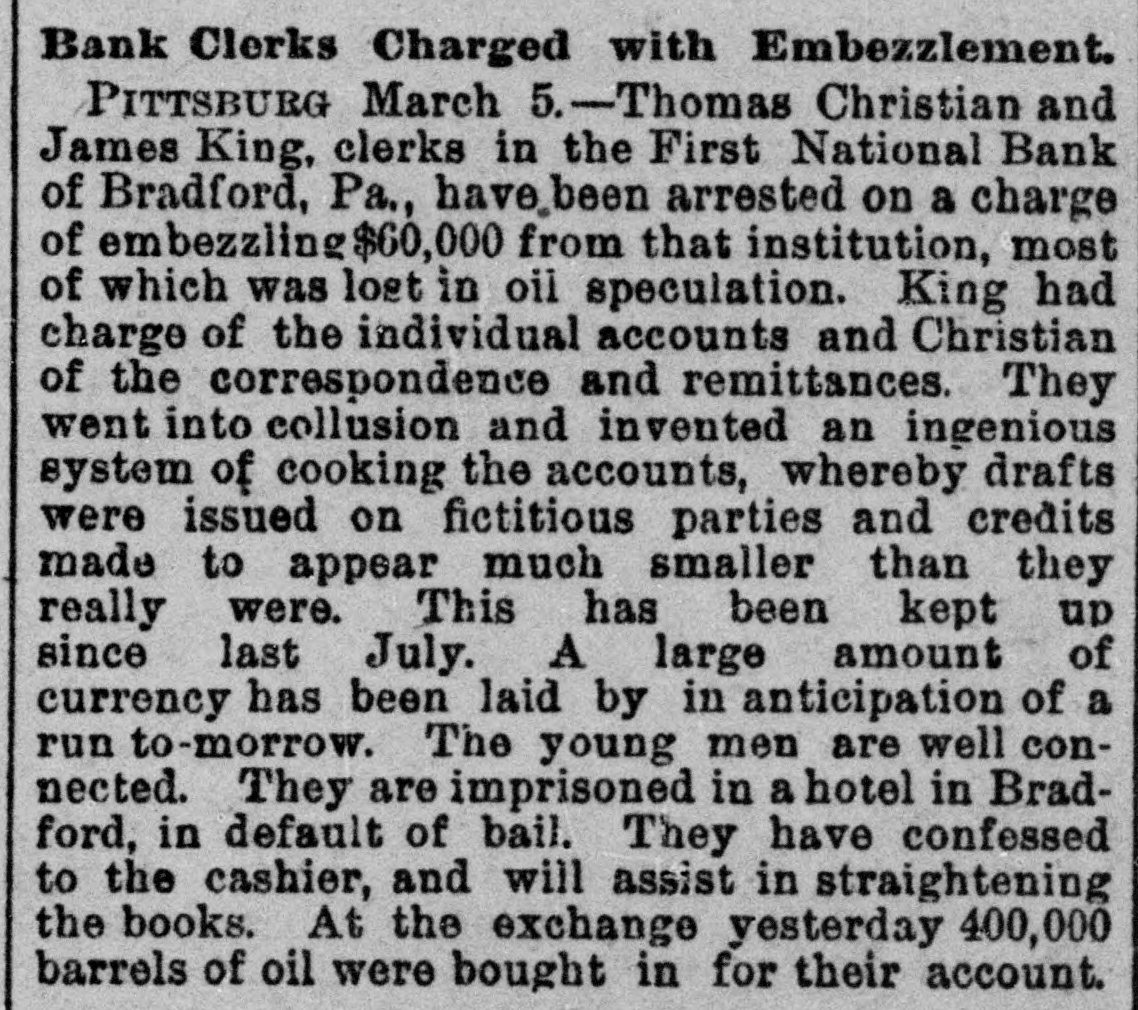
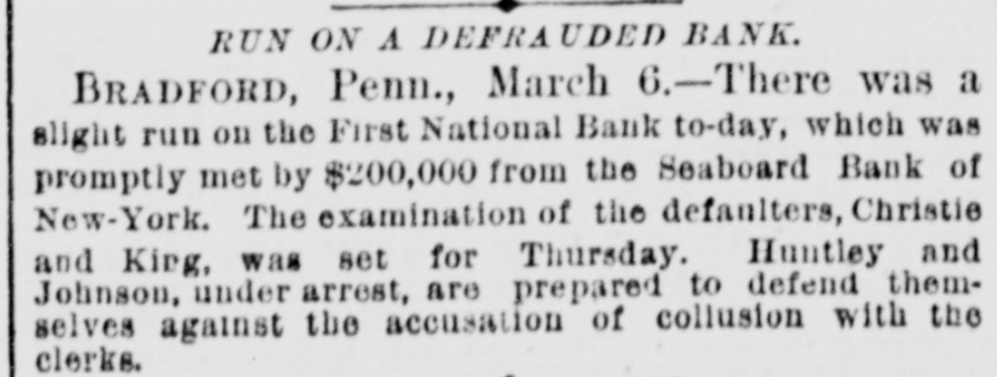
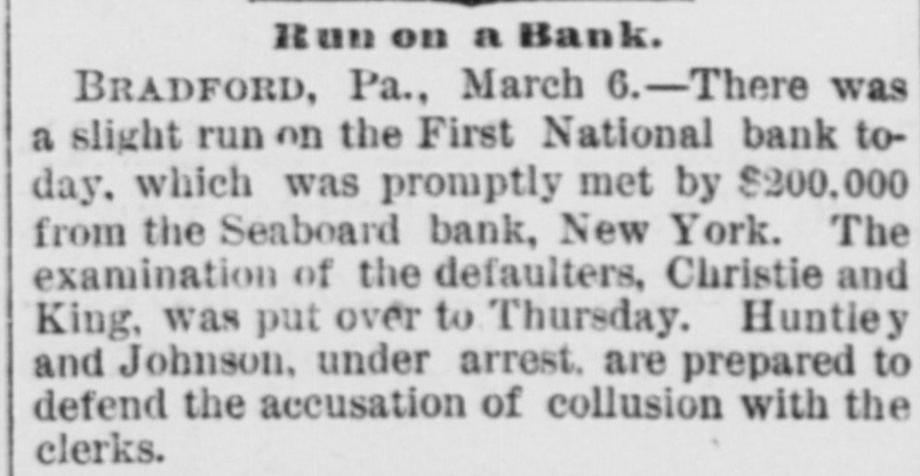
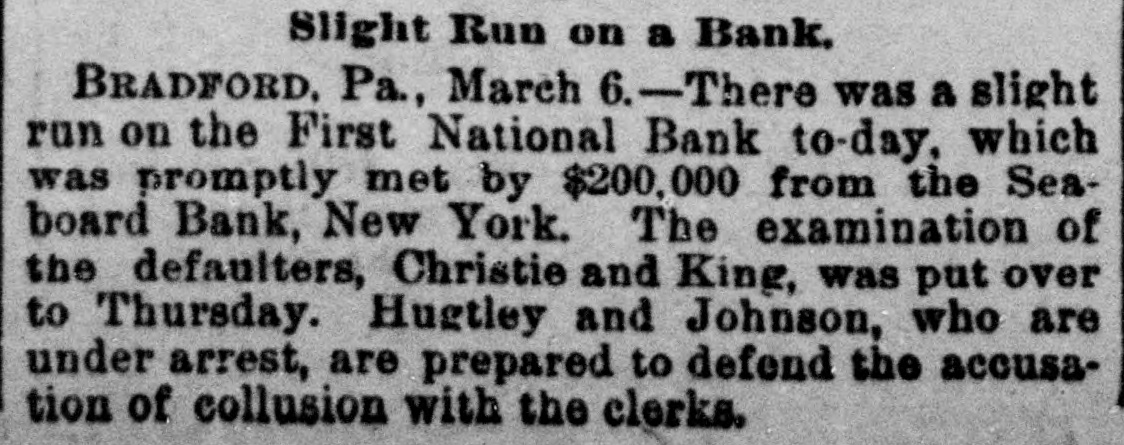
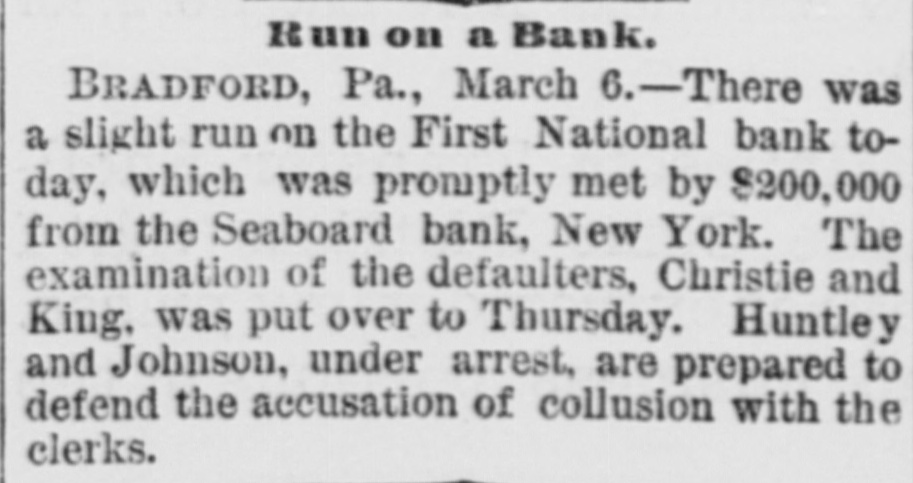
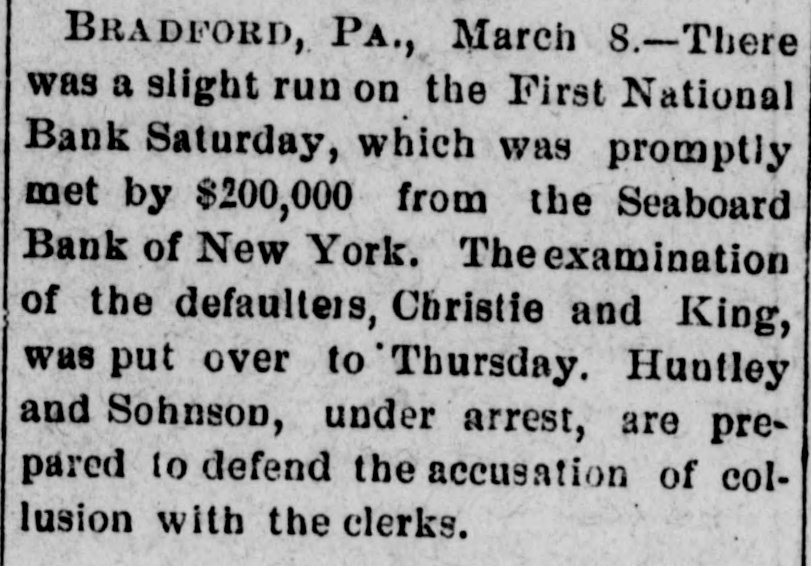
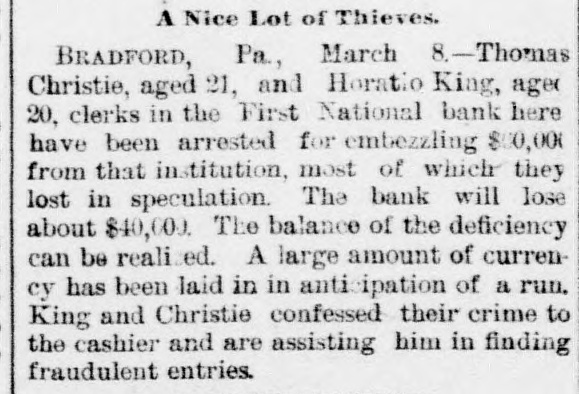
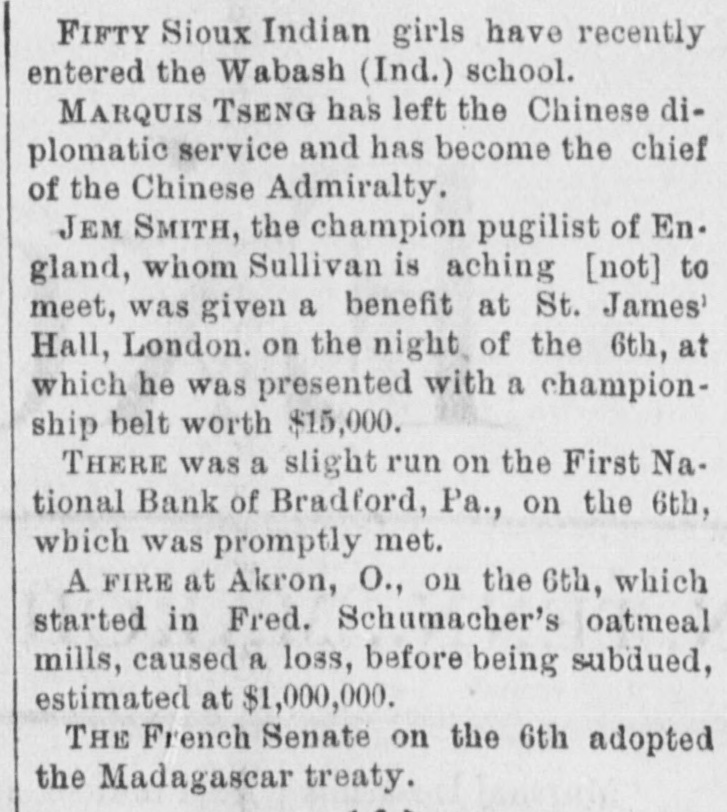
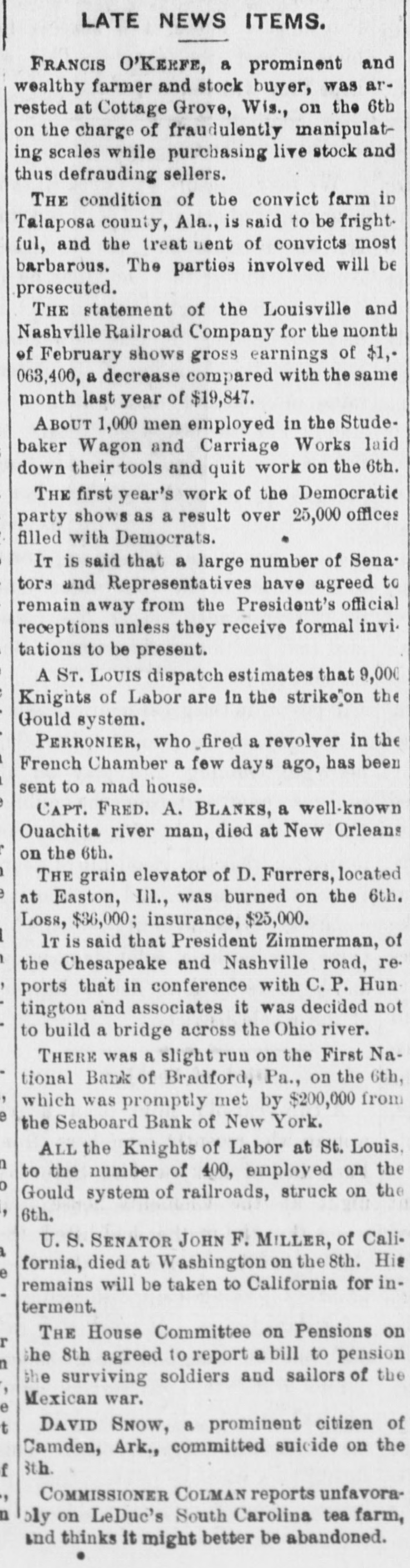
LATE NEWS ITEMS. FRANCIS O'KERFE, a prominent and wealthy farmer and stock buyer, was arrested at Cottage Grove, Wis., on the 6th on the charge of fraudulently manipulating scales while purchasing live stock and thus defrauding sellers. THE condition of the convict farm in Talaposa county, Ala., is said to be frightful, and the treat nent of convicts most barbarous. The parties involved will be prosecuted. THE statement of the Louisville and Nashville Railroad Company for the month of February shows gross earnings of $1,063,400, a decrease compared with the same month last year of $19,847. ABOUT 1,000 men employed in the Studebaker Wagon and Carriage Works laid down their tools and quit work on the 6th. THE first year's work of the Democratic party shows as a result over 25,000 offices filled with Democrats. IT is said that a large number of Sena tors and Representatives have agreed to remain away from the President's official receptions unless they receive formal invitations to be present. A ST. LOUIS dispatch estimates that 9,000 Knights of Labor are in the strike"on the Gould system. PERRONIER, who fired a revolver in the French Chamber a few days ago, has been sent to a mad house. CAPT. FRED. A. BLANKS, a well-known Ouachita river man, died at New Orleans on the 6th. THE grain elevator of D. Furrers, located at Easton, Ill., was burned on the 6th. Loss, $36,000; insurance, $25,000. IT is said that President Zimmerman, of the Chesapeake and Nashville road, reports that in conference with C.P. Hun tington and associates it was decided not to build a bridge across the Ohio river. THERE was a slight run on the First National Bank of Bradford, Pa., on the 6th, which was promptly met by $200,000 from the Seaboard Bank of New York. ALL the Knights of Labor at St. Louis. to the number of 400, employed on the Gould system of railroads, struck on the 6th. U. S. SENATOR JOHN F. MILLER, of California, died at Washington on the 8th. His remains will be taken to California for interment. THE House Committee on Pensions on the 8th agreed to report a bill to pension n the surviving soldiers and sailors of the Mexican war. DAVID SNOW, a prominent citizen of Camden, Ark., committed suicide on the 3th. COMMISSIONER COLMAN reports unfavoran bly on LeDuc's South Carolina tea farm, and thinks it might better be abandoned.