Click image to open full size in new tab
Article Text
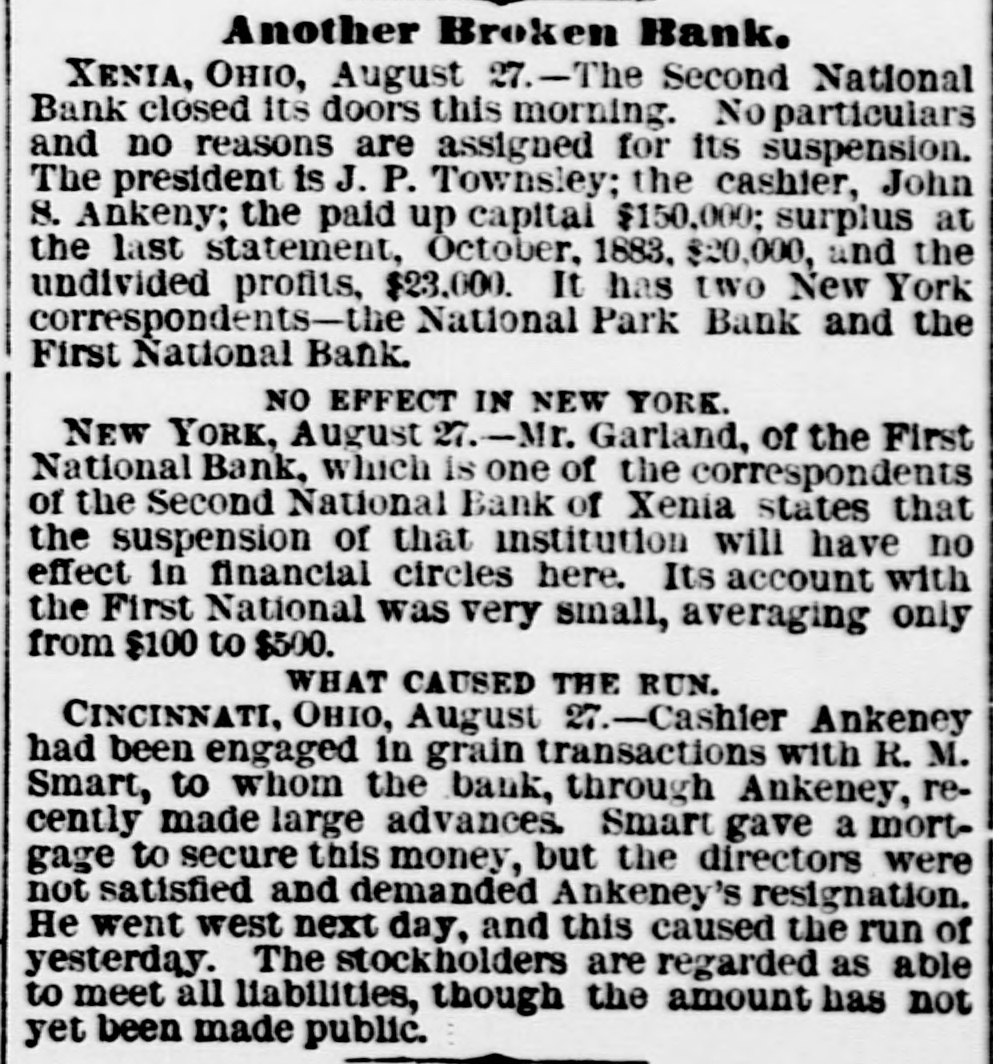
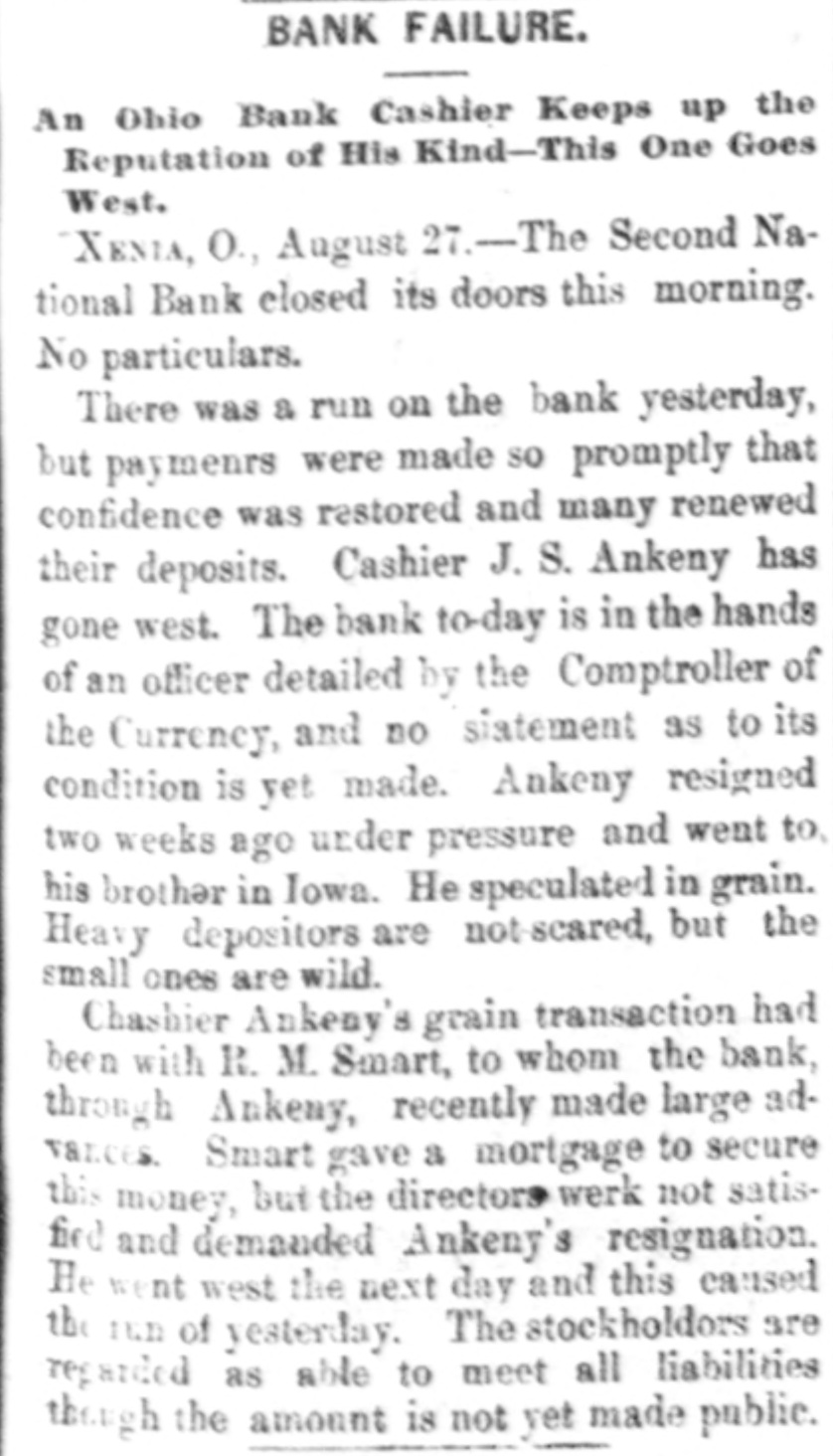
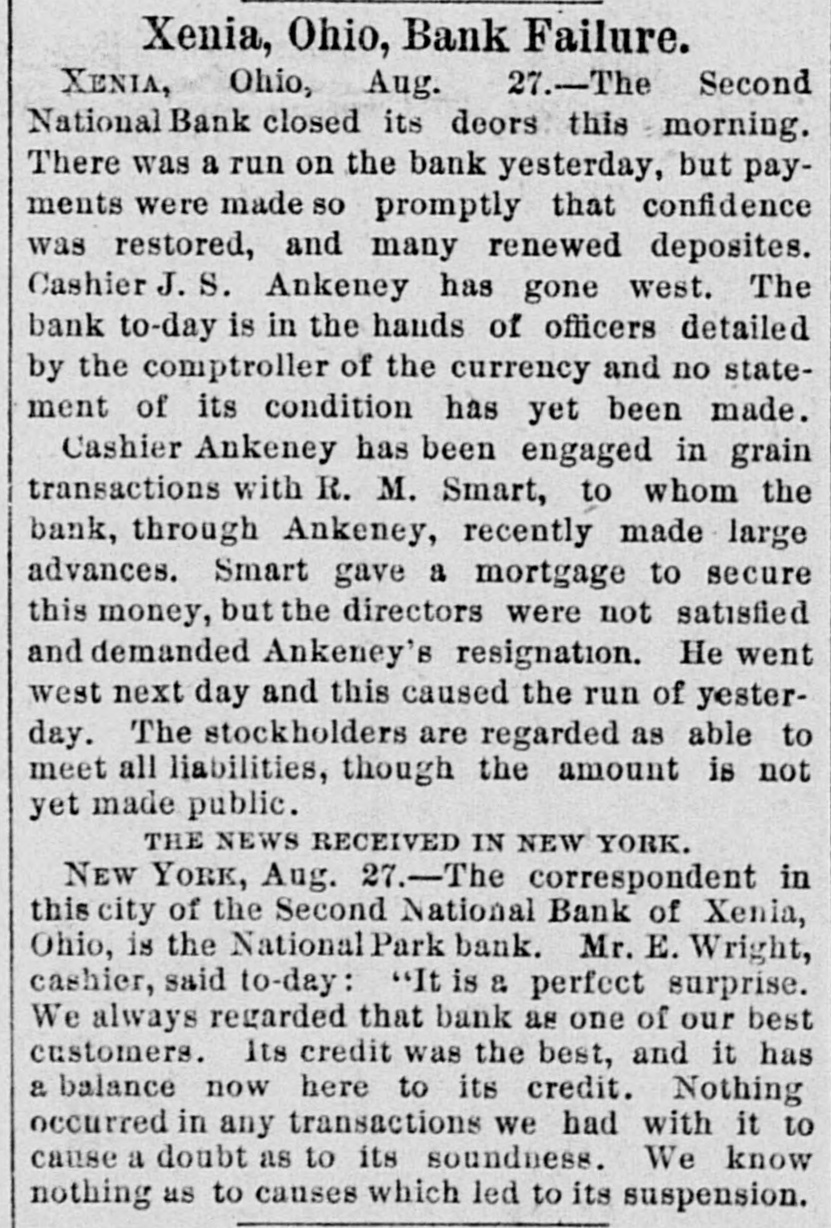
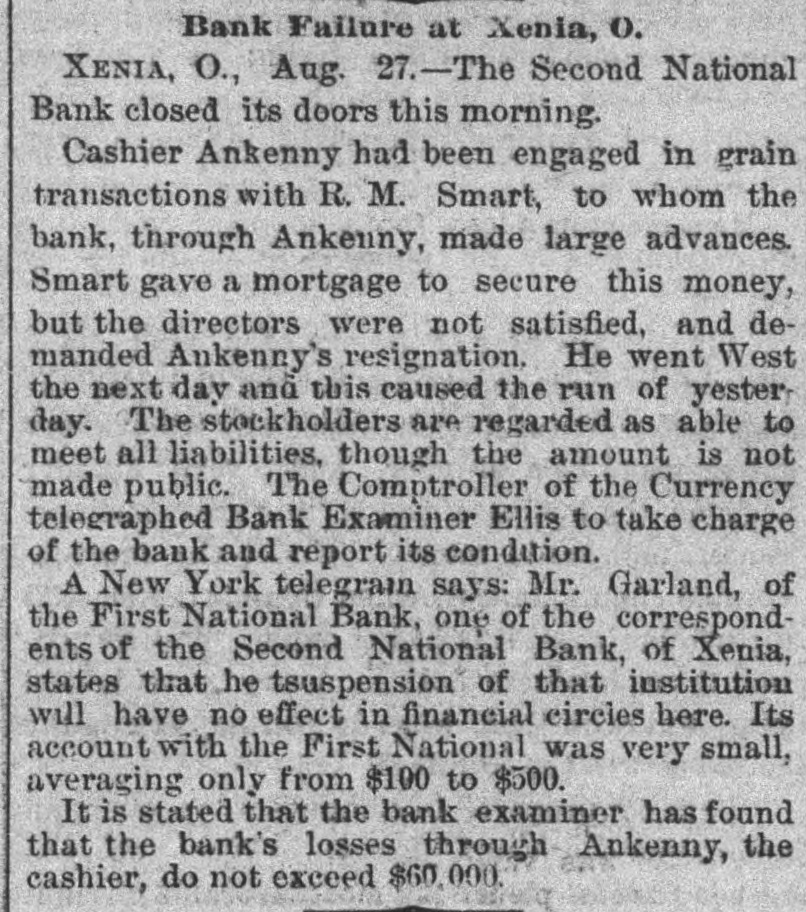
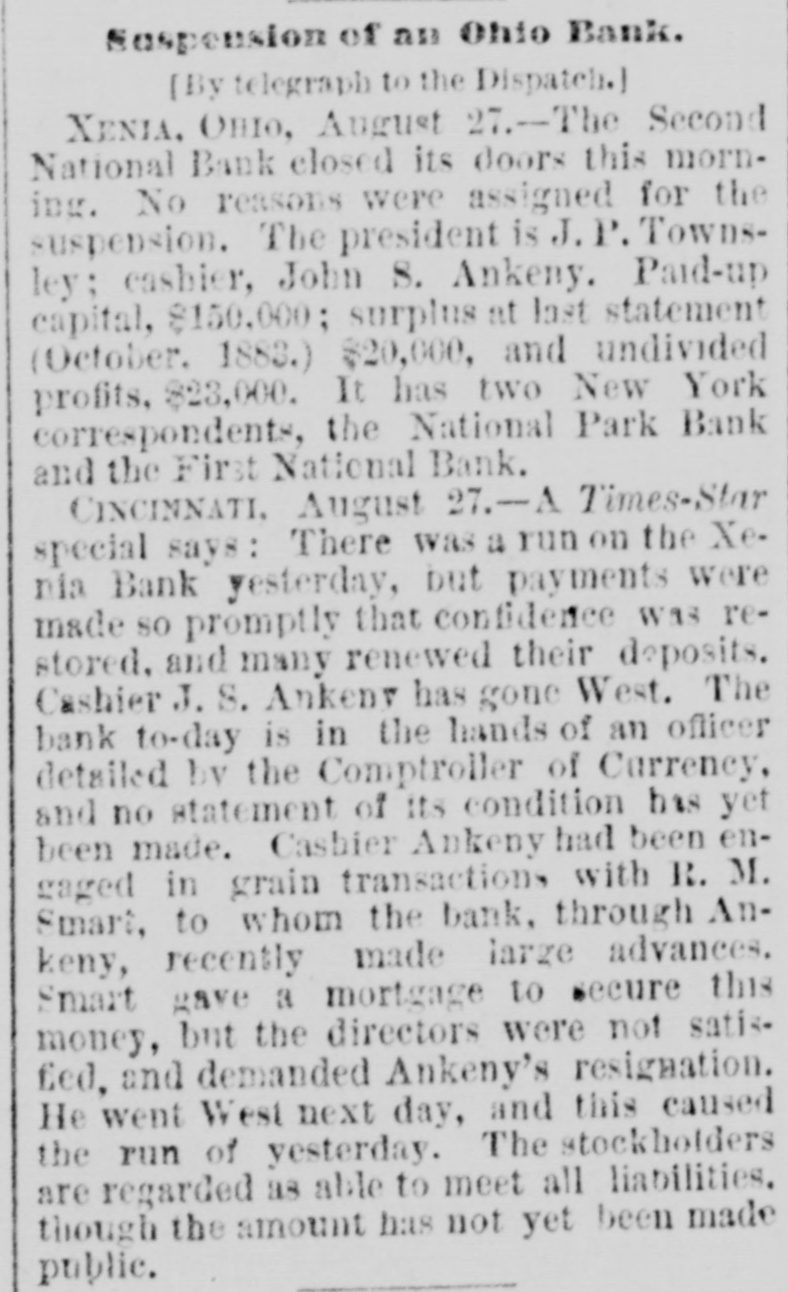
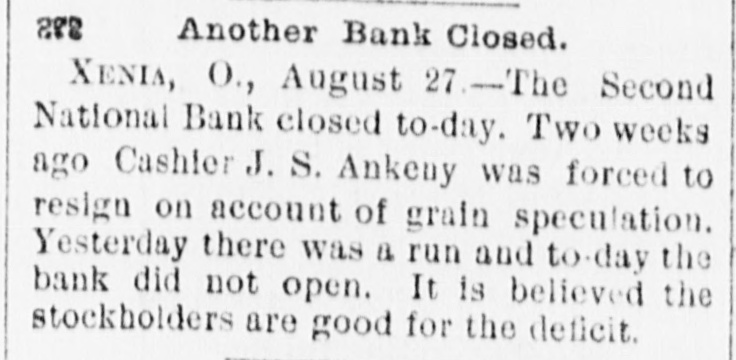
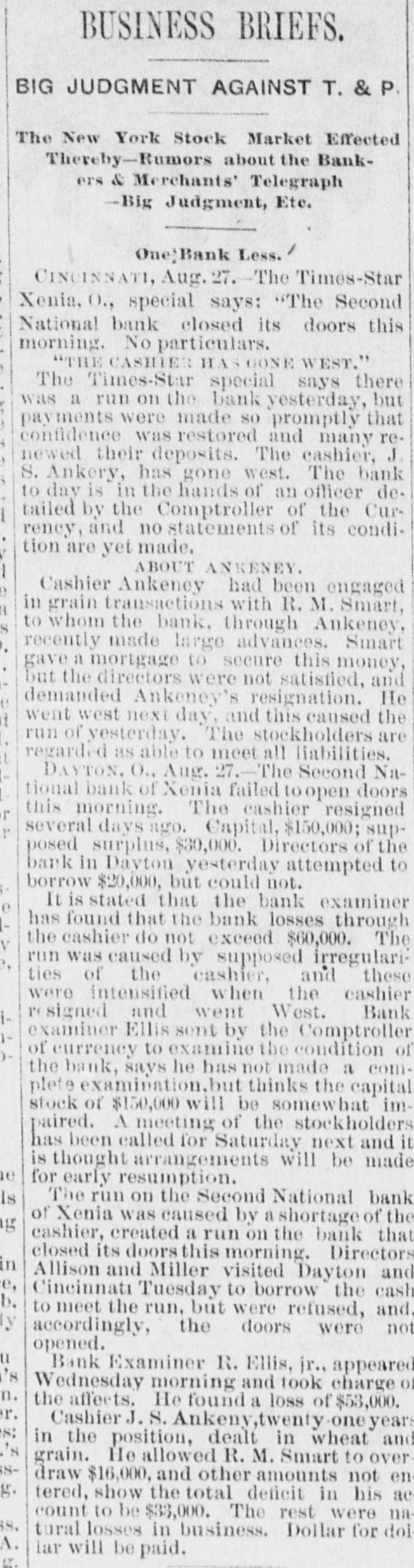
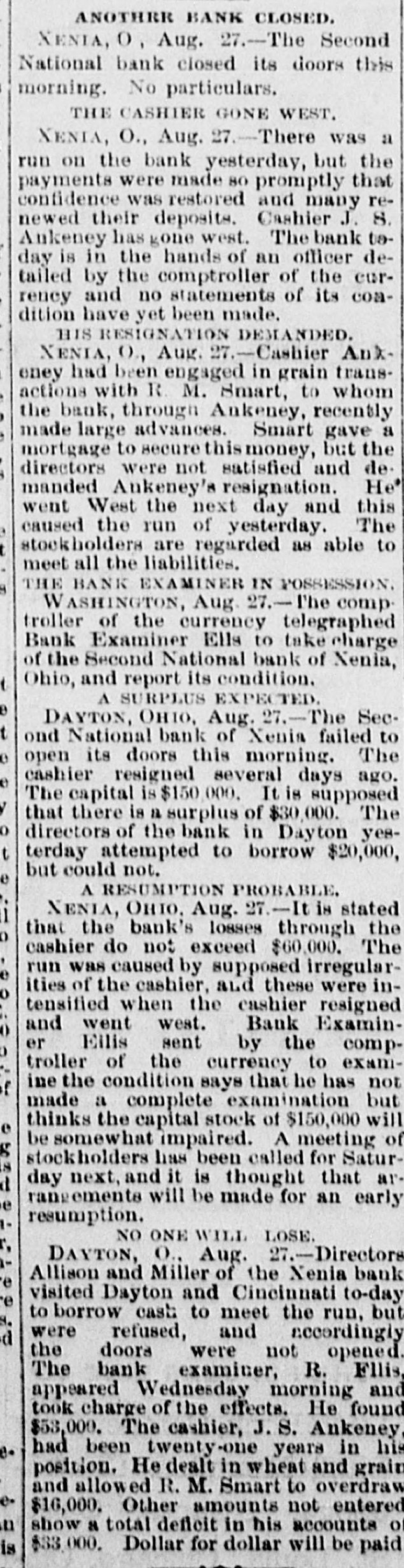
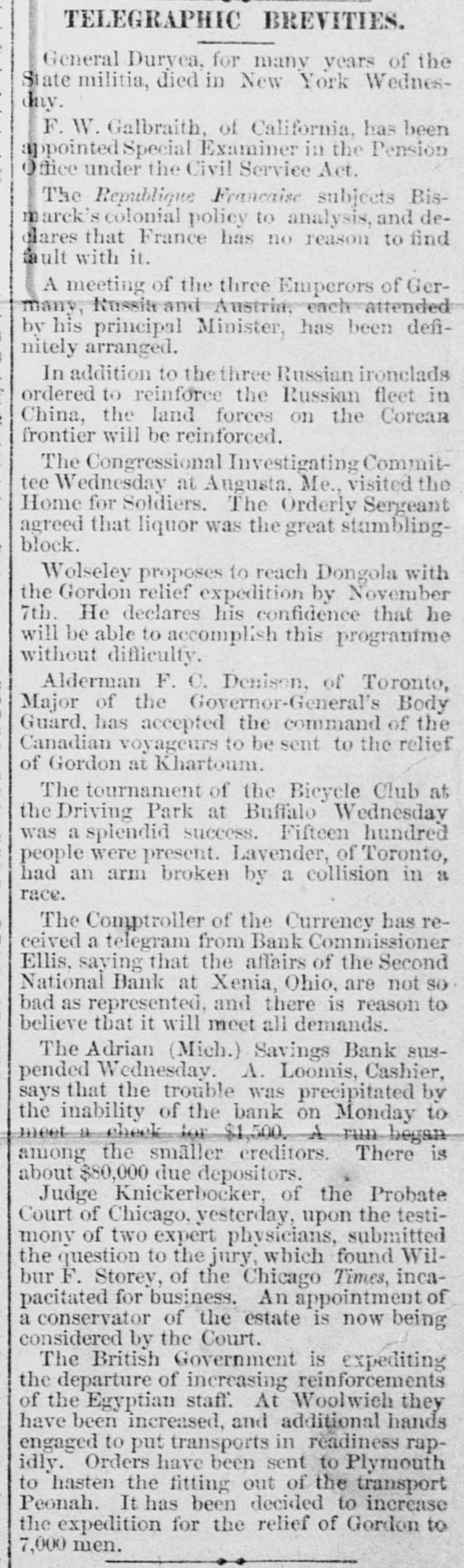
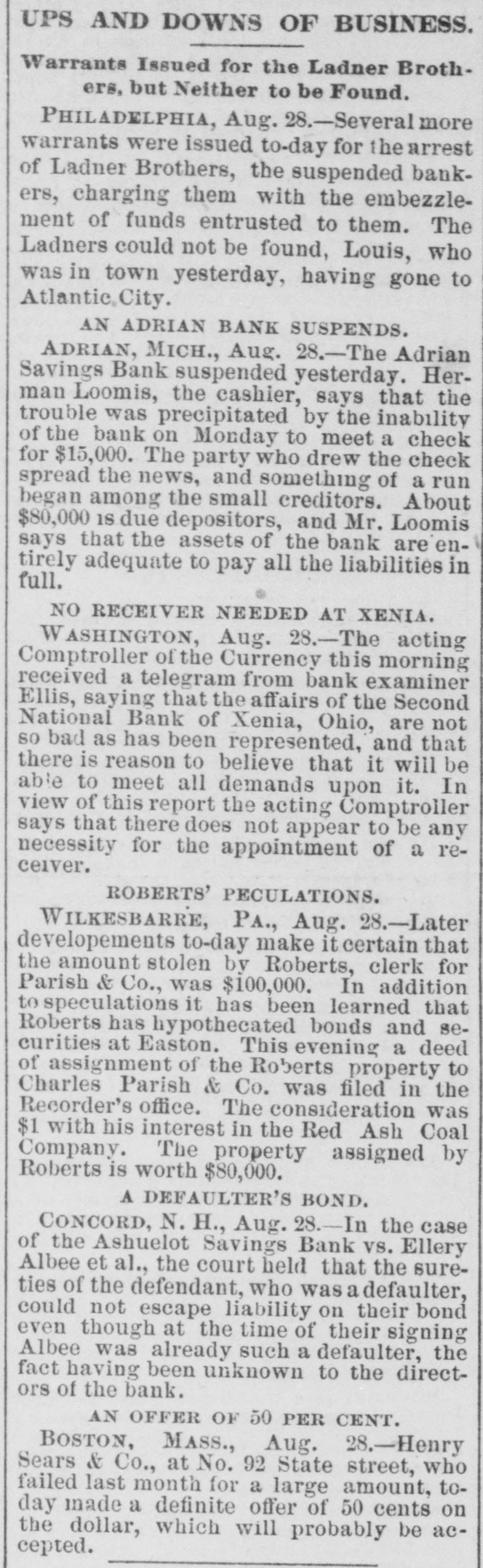
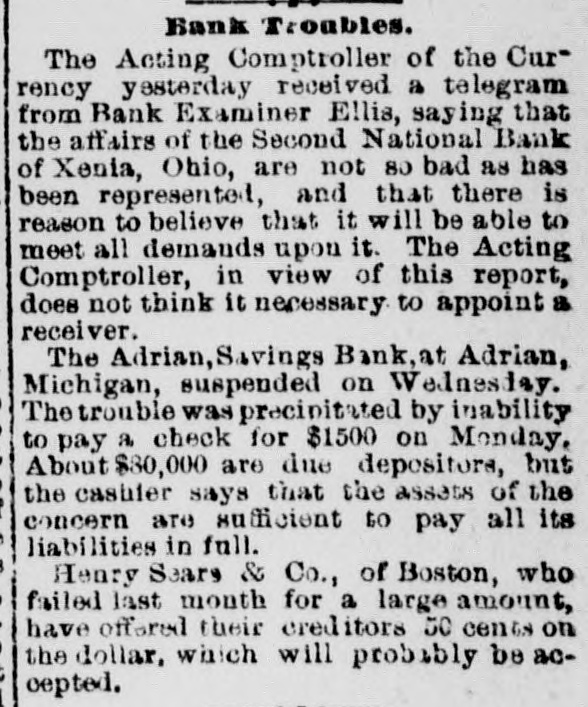
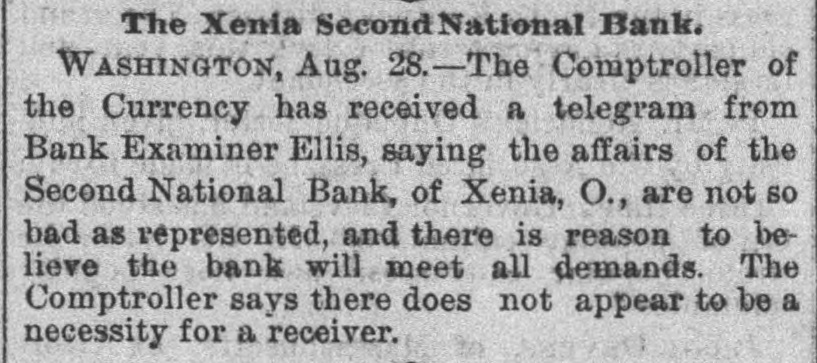
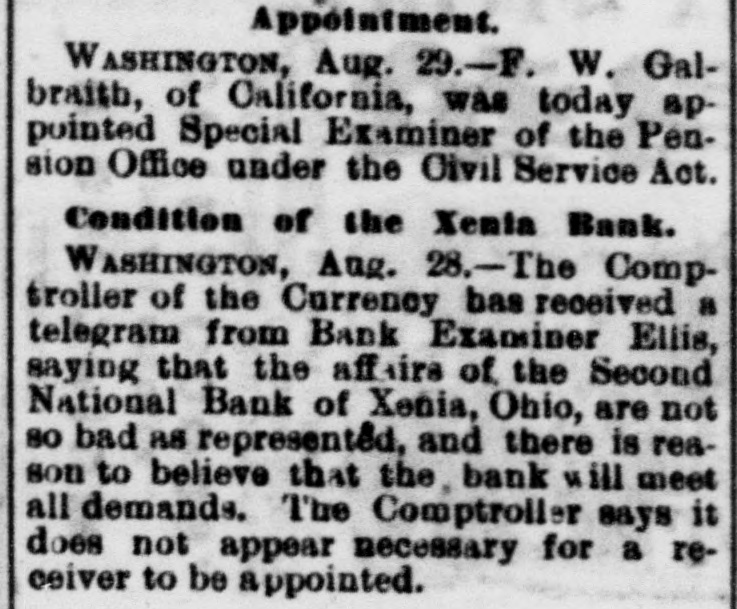
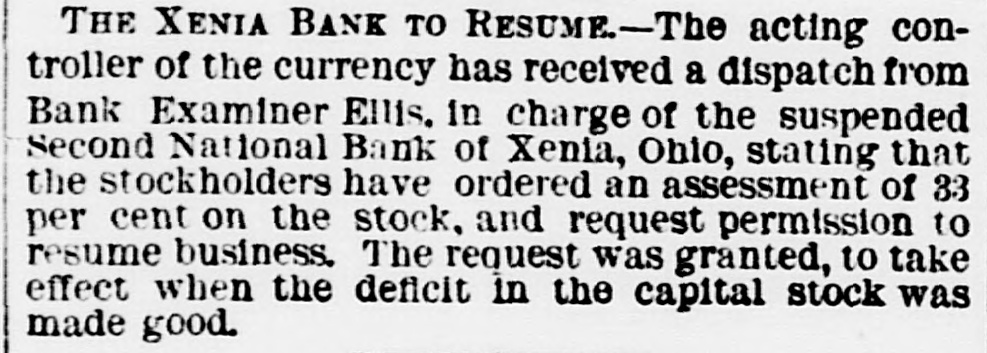
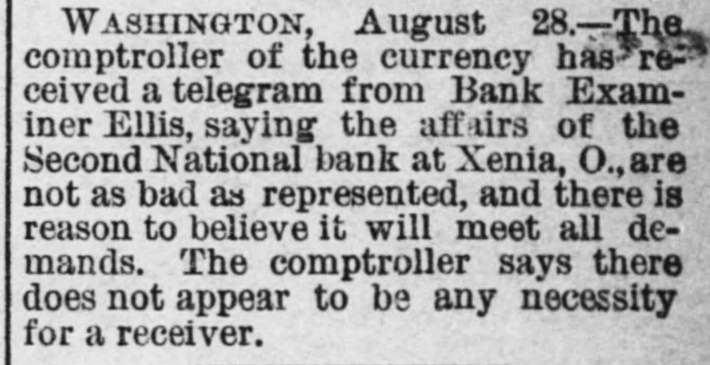
Washington News and Gossip. GOVERNMENT RECEIPTS TO-DAY.-Internal revenue, $490,437; customs, $678,458. No CHOLERA.-Mr. E. R. Jones, U. consul at Cardiff, Wales, reports to the Department of State, under date of August 18th, that the alarms concerning cholera at that port are entirely without foundation. The few cases that arrived on vessels from Marseilles were promptly quarantined. THE following postmasters were commissioned to-day: John P. Bell, Bell's Mill, Montgomery county, Md. (new office); N.P. Murray, Willtown, Frederick county, Va. THE SCHOONER THAT SANK THE TALLAPOOSA.-The schooner James S. Lowell, which collided with and sank the Tallapoosa, lay at the wharf of the Independent Ice company in Georgetown about four weeks ago. She is a fine specinien of the threemasted schooner, of greater length than any vessel of her kind that had been seen in the Potomac river, and her beauty or shape was frequently remarked by the habitues of the balconies of the Potomac boat house and the numerous otherpersons who saw her. THE PRACTICE SHIPS DALE AND CONSTELLATION have arrived at Annapolis. ARMY RETIRING BOARD.-COL. Geo. P. Andrews, 1st artillery; Lieut. Col. Alexander Piper, 1st artillery; Major John Brooke, surgeon; Capt. William L. Haskin, 1st artillery, and Capt. John Van R. Hoff, assistant surgeon, have been detailed as a retiring board to convene at San Francisco at the call of the president of the board to examine such officers as are ordered before it. First Lieut. Robert Hanna, 6th cavalry, has been ordered to hold himself in readiness to appear before this board for examination when summoned. THE XENIA BANK.-The acting controller of the currency this morning received a telegram from Bank Examiner Ellis saying that the affairs of the Second National bank or Xenia, Ohio, are not so bad as has been represented, and that there is reason to believe that it will be able to meet all demands upon it. In view of this report the acting controller says that there does not appear to be any necessity for the appointment of a receiver. THE VACANT AUDITORSHIP.-Mr. Coon, Acting Secretary of the Treasury, being in doubt as to how long Judge Crowell, deputy auditor of the Treasury for the Post Office department, could perform the duties of auditor, made necessary by the death of Judge Ela, by virtue of his office of deputy, referred the question to Judge Phillips, Acting Attorney General, who, in reply, has given an opinion that Judge Crowell can act for ten days only, which period in his case will expire September 2d. The matter has been presented to the President, and it is probable that Judge Crowell will be designated to act for ten days from September 2d, by which time, it is expected, the office will be permanently filled. PERSONAL-Ex-Gov. Cheney, of New Hampshire, has taken apartments at the Portland for the winter, which he will spend here with his wife and daughter, one of the purposes being to secure the latter the excellent school facilities which Washington affords.-Hon Simon Cameron's residence in Harrisburg, Pa., was robbed a few days ago of valuable silverware.-Mr. Herbert A. Preston and family are spending thesummer at Hyattsville. J. Dr. J. Walter has returned to the city.-Major. M. Carson, the well-known correspondent, has gone to Colorado. Assistant Postmaster General Hatton and Richard T. Greener, of Washington, were Osregistered in New York last evening.-Mrs. bo n, wife of the U. 8. minister to Brazil, is visiting her aunt, Mrs. Col. Vedder. Miss Belle Vedder is slowly recovering from a severe illness.--G N. L. Jeffries, formerly of this city, and Mrs. Minnie B. Armstrong were married at the home of the bride's father, Hon. Levi H. Brown, at Watertown, N. Y., on the 20th Inst.- Dr. Sowers has returned to the city from Block Island, where he has been spending the last two weeks. R. W. Shufeldt and Miss Shufeldt, of Washington, were among late arrivals at the Geyser Springs, in Calfornia.-Ex-President and Mrs. Hayes will arrive in Cumberland on Tuesday next, to be in attendance at the reunion of the army or West Virginia, which will commence September 2. During their stay they will be the guests of Hon. Lloya Lowndes.-Mr John M. Barclay has gone to Boston, for a stay or a couple of weeks. Mr. George A. Armes has returned from a prolonged visit to Saratoga and other northern summer resorts.-M Wm. McLean, who has been at Saratoga for some time, has left that place for Asbury Park.-Among Washingtonians lately registered at the Atlantic hotel, Ocean City, are Miss Susie Langley, A. B. Bibb and J. C. Wilson.