Click image to open full size in new tab
Article Text
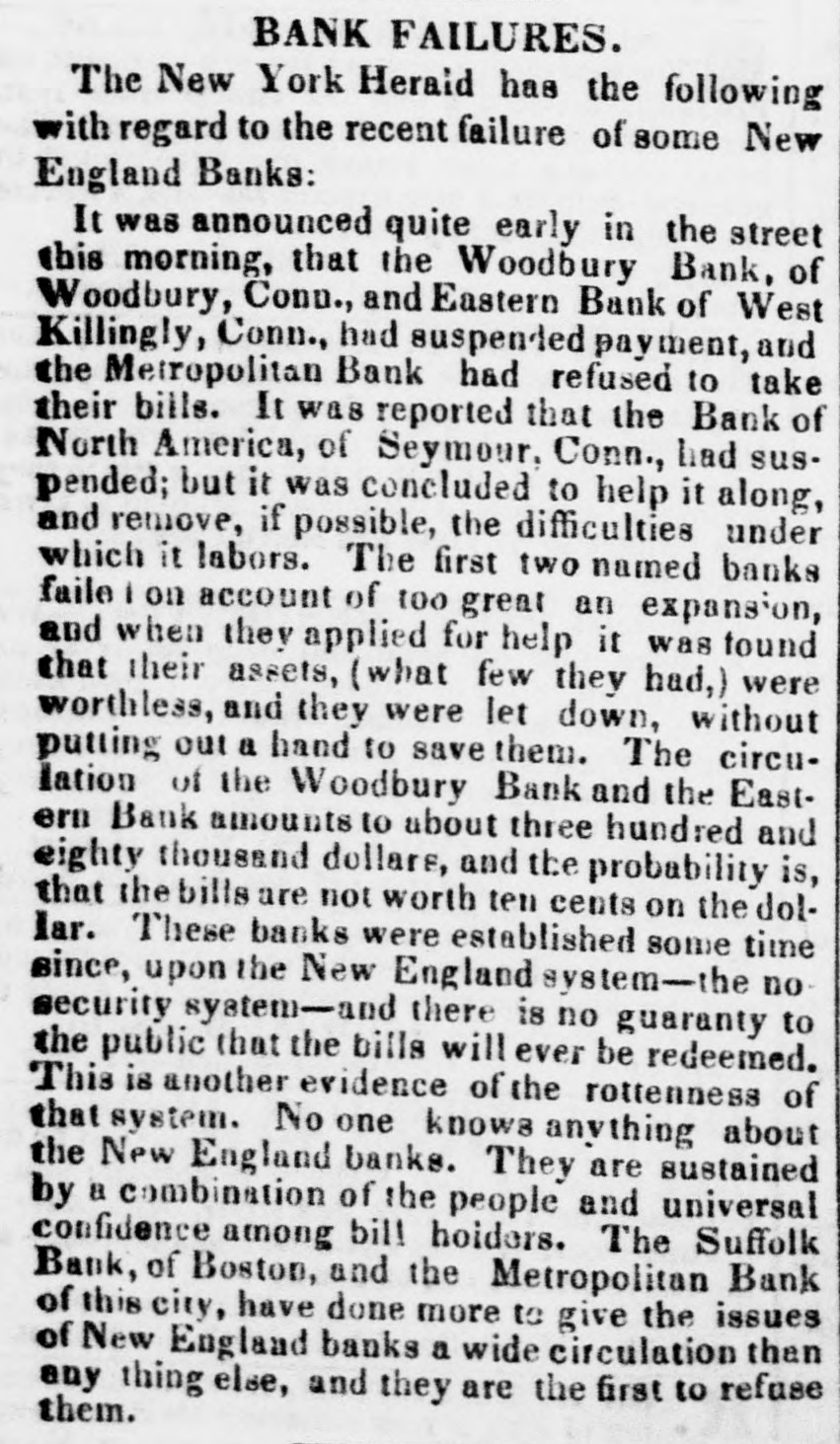
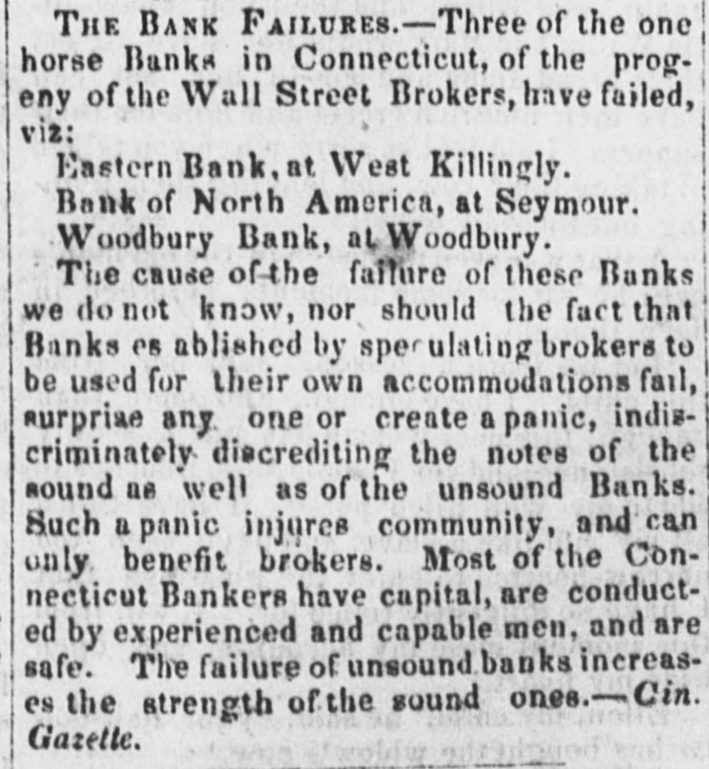
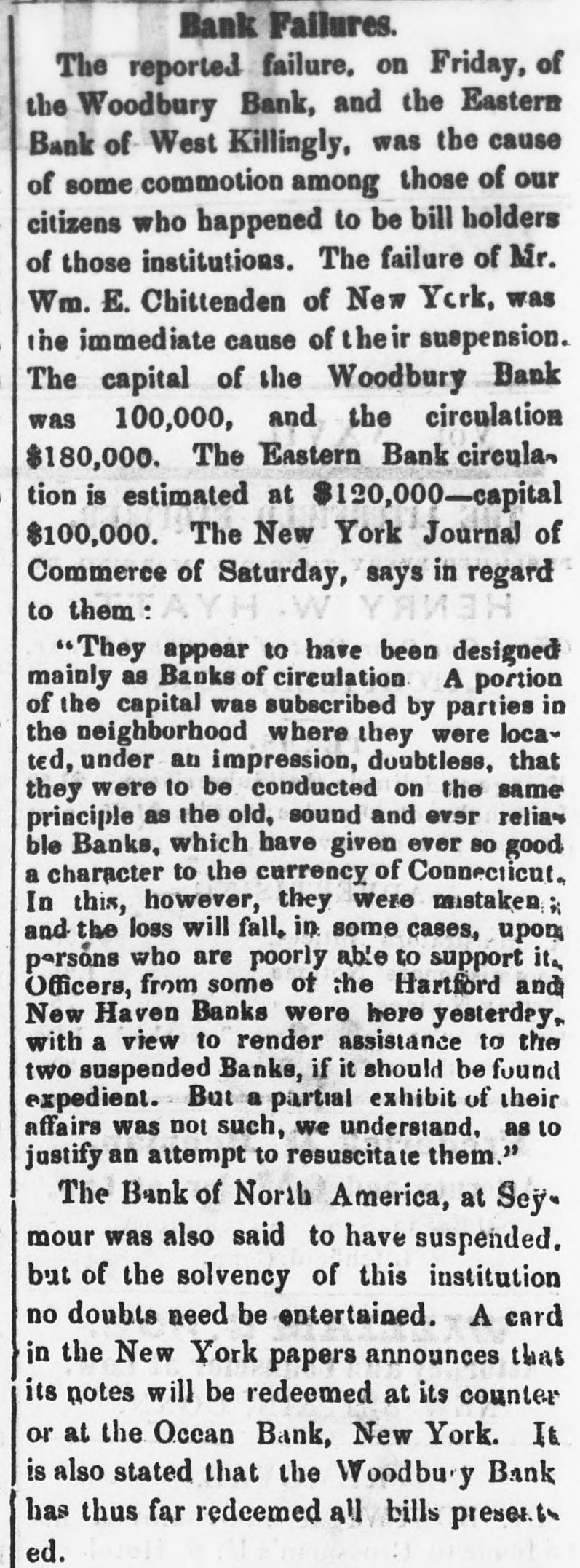
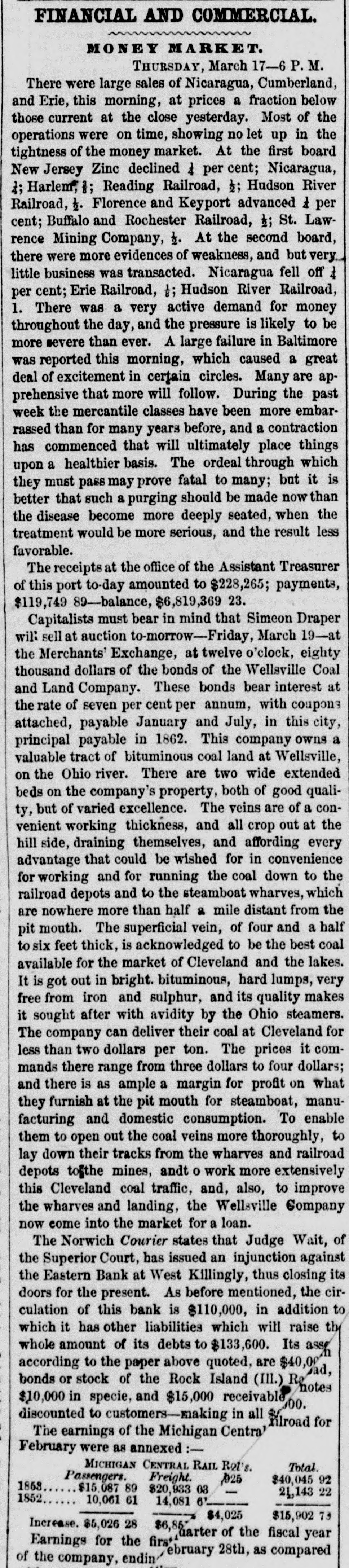
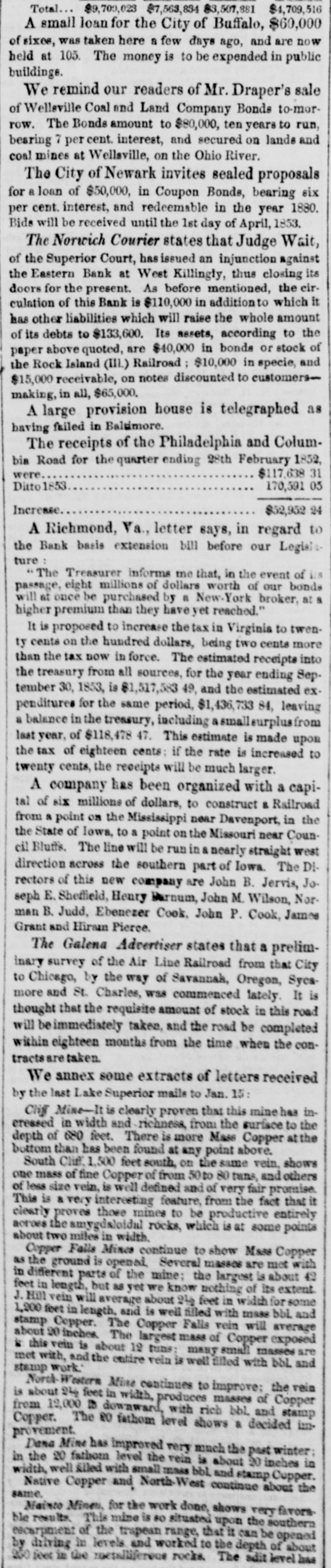
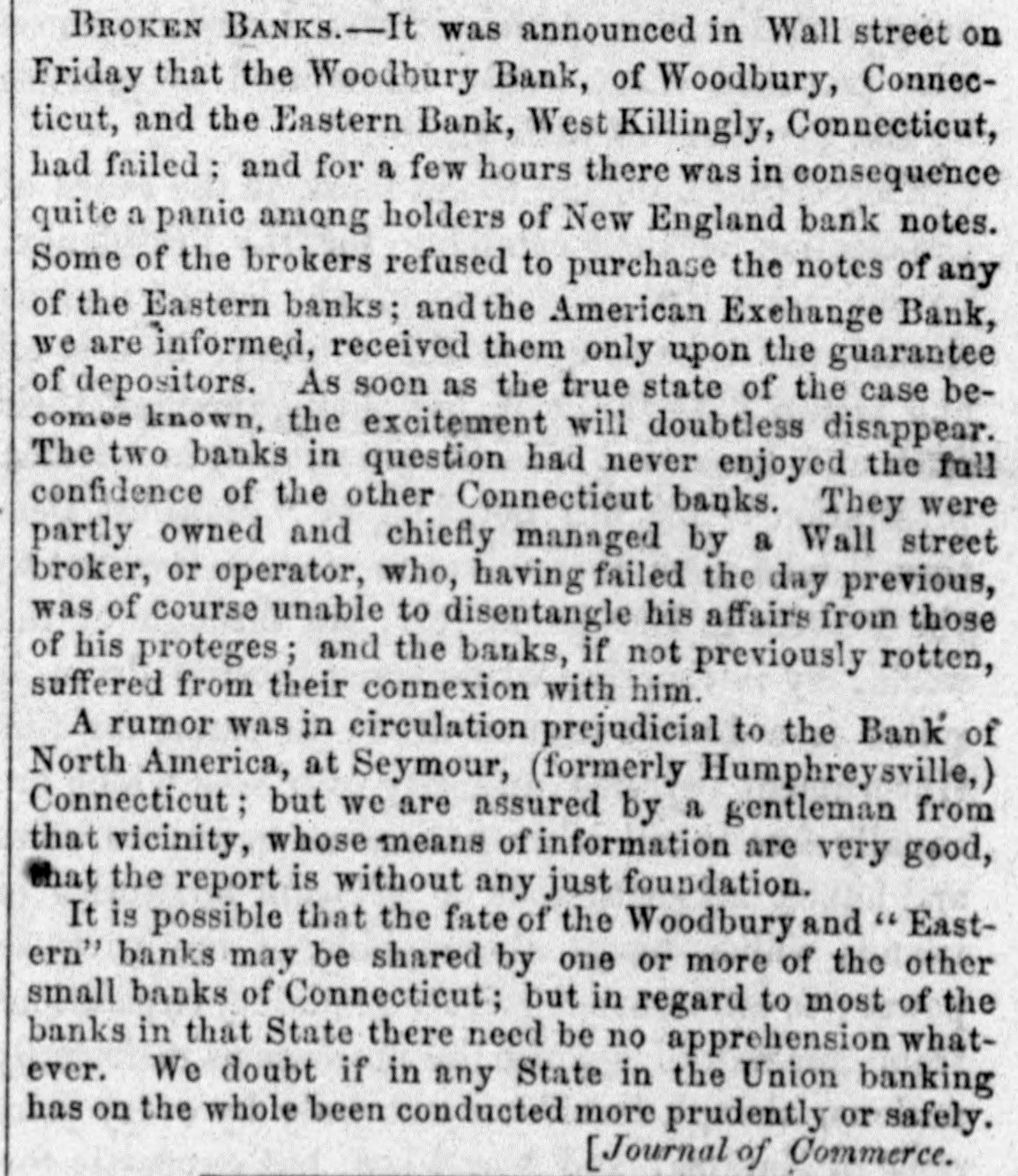
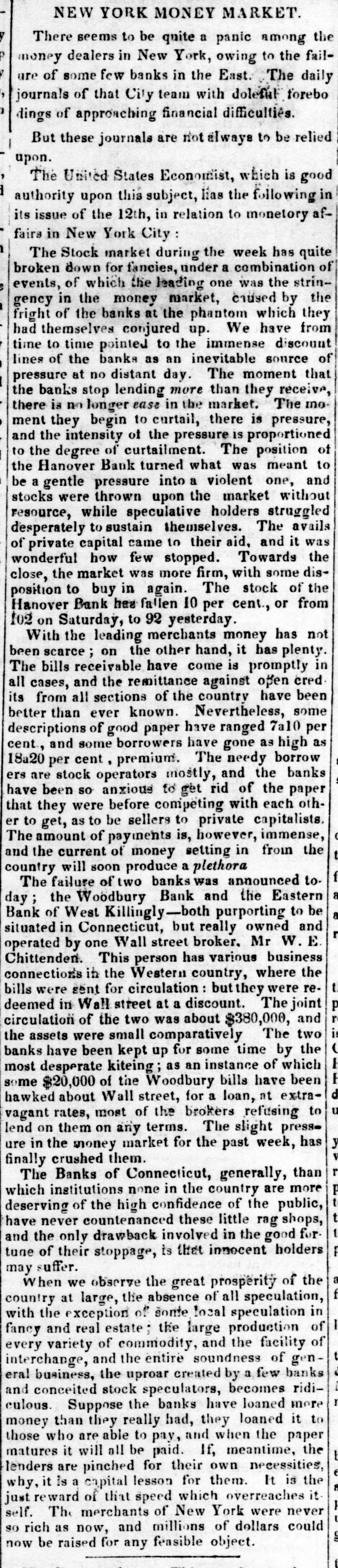
COMMERCIAL From our Commercial Correspondent. NEW YORK, March 15, 1853 The stringency of the money market, which was so com plained of last week among the stock speculators, is now far asparent, When the country is so full of capital, and so prosperous as now, a pressure soon works its own cure. The banks of New Pork city have for months been soliciting dealers to take their money for promises at low rates. They have induced many persons, by the facilities they have held out to them, to contract large obligations, and then suddenly discovered that they had loaned more than they possessed. Panic stricken, they turned suddenly round, demanding prompt payment for calls, loans, and matured paper, and rushed into the street to sell paper that was not matured The public paid up what was due, and private capital purchased the good paper that embarrassed cashiers offered. This process caused a rapid diminution in the line" of loans. Everybody paid; nobody failed-not even holders of faney stocks; the cashiers got over their panic, and begin to want those whom they have squeezed to borrow again of them. The manufacture of small notes for circulation has received some check in the failure of small batch owned by one W E. Chittenden, a broker. These were the Woodbury Bank of Connecticut, the Eastern Bank at West Killingly, and the Bank of East Tennessee. The owner of these banks stopped, and he sent word to the northern banks, that unless they aided him his banks must stop. A committee came down, and examined his assets. The circulation of the two first named was about $380,000, and he offered as security for assistance assets amounting to about $172,000. Of this, $10,000 was deemed good, besides about $20,000 of railroad bonds; consequently he stopped. These were not free banks," or secured notes, bus were irresponsible issues of paper, to circulate as money. This paper was put afloat in the western country through Chittenden and his agents for paying hard-working people on railroads, and industrious farmers for their produce. What was done with the pro ceeds of the notes put out does not appear, for there is noth+ ing to show for thein There are numerous other banks started in the eastern States for circulation at the West, and many banks which are good, and call themselves respectable, use indirect means to put out their paper the West This process of forcing paper monay into circulation is an evil which requires remedy, but which can be applied only by the entire withdrawal of all government countenance from paper money in any shape. These notes of Chittenden's never would have been palmed upon the western people, had not the State of Connecticut given them a stamp of legitimacy by granting them a charter. All the interests of society require that the independent treasury system of the federal government should be carried out and strictly enforced in all the States, requiring all State dues to be paid in specie, and refusing all countenance to paper issues. The spring business thus far has been in a high degree prosperous The current of exchanges has been in favor of the West and South during the winter, and that circumstance has enabled the dealers to make their appearance for the purchase of goods with ample means, and business continues remarkably brisk at firm rates for most goods Produce has, indeed, under the latest advices from abroad, been drooping for a few weeks, and among the dealers in is those articles, particularly cotton, flour, and pork, there less degree of buoyancy arising from the check given by the pause in speculation abroad The arrivals of gold will reach for March nearly five and a half millions, with an ex port of one million A. large portion of this will go into the interior in remittance for produce and railroad investments, as well as to those who have earned it in California. Its presence West and South can have no other result, however, than to vivify trade, and cause it ultimately to great profit. A specie curis the most profitable to the rency at the are eastern interest The products of the new States their means of baying what they most want. These are chiefly manufactured goods sil pplied from the East, specie for currency, and railroads and other means of communication. The goods purchased are generally consumed, and the want is renewed. It, however, instead of using paper for circulation, they invest several millions in the precious metals for a currency, necessarily, to that extent, are the purchases of goods curtailed and, moreover, after the cumulation of considerable specie, if admission is found bank notes, the specie will be driven out for the purchase of goods, and the eastern basiness enhanced while the specie lasts. The increase of specie South and West has been one cause of the bank difficulties on the seaboard during the past few weeks. The abundance of capital here continues, however, very great, and for desirable objects there is no lack of means. As an instance, there has been taken to-day one million dollars of the 10 per cent bonds of the great West ern railroad of Illinois by Messis Ketchum, Rogers, & Bement, of this city. It is understood that the whole was taken for themselves and clients, embracing the most influential mercantile firms in New York. This was during an alleged season of "tightness in the money market"that is to say, when stockjobbers, shinplaster banks, and financiers cannot borrow without security. At such a quack moment, however, a few of the merchants of New York subscribed million to a meritorious enterprise, as mat ter of course The great Western railroad of Illinois is one of he most important in the whole country, inasmuch as that it is the Illinois link in that directroute from New York towards the Pacific which is in process of construction to the Missouri river. The road was originally part of the great system of internal improvements adopted by Illinois in 1837. It was projected to run from Quincy, on the Mississippi across the Illinois river, due east through Jacksonville, which contains the great public charitable institution of the State through Springfield the State capital, intersecting the Central railroad at Decatur, and proceeding to the Indiana line in the direction of Lafayette This line was about 180 miles, and was called the "Northern Cross road." More importance was attached to it than to al most any other State work Accordingly it was the only one put in operation by the State. After an expenditure of about $1,000,000 upon the whole line, the route from the Illinoisriver to Springfield- miles into operation in 1540 In 1845 company was organized called the "Sangarnon and Morgan," and the State sold to this company that part of the Northern Cross-road from the Illinois river170 miles -10 the Indiana line, with all its property, depots, stations, incomplete work, rights, and privileges. This hascontinued profitable in operation, and has attracted its route a considerable population. In the mean time the great system of railroads in Ohio connecting with New York and Philadelphia has been developed and continued by successive routes through Indiana to the lilinois line. On the west the road from opposite Quincy has been commenced. to cross Missouri on its way to the Pacific. The road from Indianapolis to Terre Haute is about being ex tended to the Illinois line, and the Sangamon & Morgan road have determined to relay their track and to complete their extension, to connect east and west when the great lines coming from Toledo, from Wooster and from Columbus would connect across Illinois with the Mississippi The expense of this extension would be very much modi fied by the remains of the old State work, the grading and masonry of which remains very good. The expense of $ 1,000,000 would put the whole in working order from Decalar, the junction with the Central and with the Terre Haute roads, 10 the Illinois, where steamboat connexion with St. Louis is already formed. To secure the loan, whole road, with its depots, stations, rights, and franchise, was mortgaged in trust to the Farmers' Loan & Trust Com pany, of New York, for the payment of the bonds in 15 years, These bonds. as we have said, were promptly taken, and the work is being rapily pashed to completion. The iron has been purchased, and portion has already arrived at New Orleans, and the " ties" are on the line. the The proceeds of the bonds (one millions dollars) are to