12507. Bank of New Rockford (New Rockford, ND)

Bank Information

Episode Type
Suspension → Closure
Bank Type
state
Start Date
March 10, 1921
Location
New Rockford, North Dakota (47.680, -99.138)

Metadata

Model
gpt-5-mini
Short Digest
bd065a44

Response Measures

None

Description

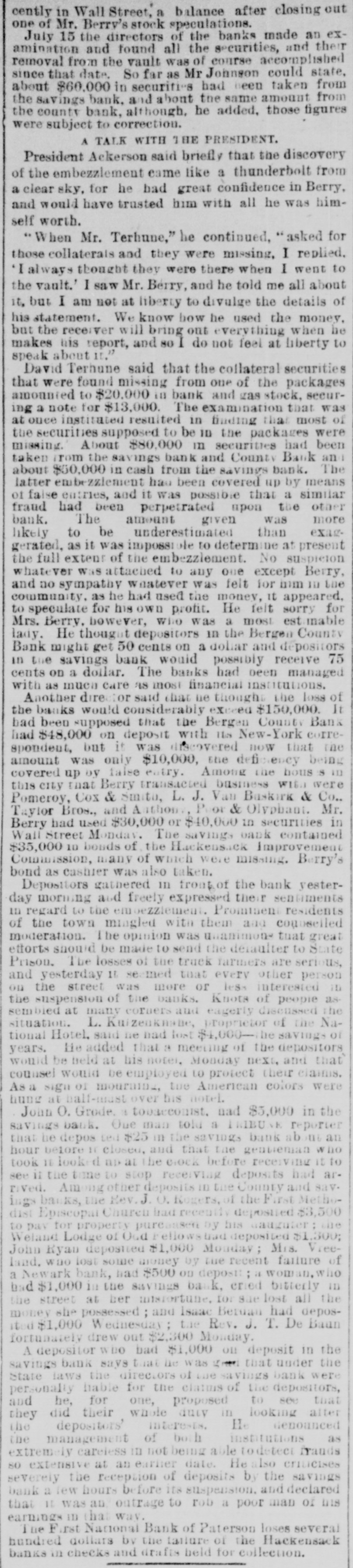
Newspapers report the Bank of New Rockford as a closed bank with a receiver appointed (Mar 10, 1921). No article describes a depositor run; closure appears due to internal malfeasance (embezzlement by former president Harry C. Sexton) and insolvency. Assets and collateral were later handled/sold by receivers and the Depositors Guaranty Fund.

Events (5)

1. March 10, 1921 Receivership
Newspaper Excerpt
Receivers are named for four closed banks... Bank of New Rockford - A. J. Nathan, of Bismarck; later district receiver C. H. Reimers named for New Rockford district (1922).
Source
newspapers
2. March 10, 1921 Suspension
Cause
Bank Specific Adverse Info
Cause Details
Bank was closed and placed in receivership due to insolvency revealed by examination; later investigation found embezzlement by the former president.
Newspaper Excerpt
Receivers for four closed banks have been named by the banking board... Bank of New Rockford - A. J. Nathan, of Bismarck.
Source
newspapers
3. May 16, 1922 Other
Newspaper Excerpt
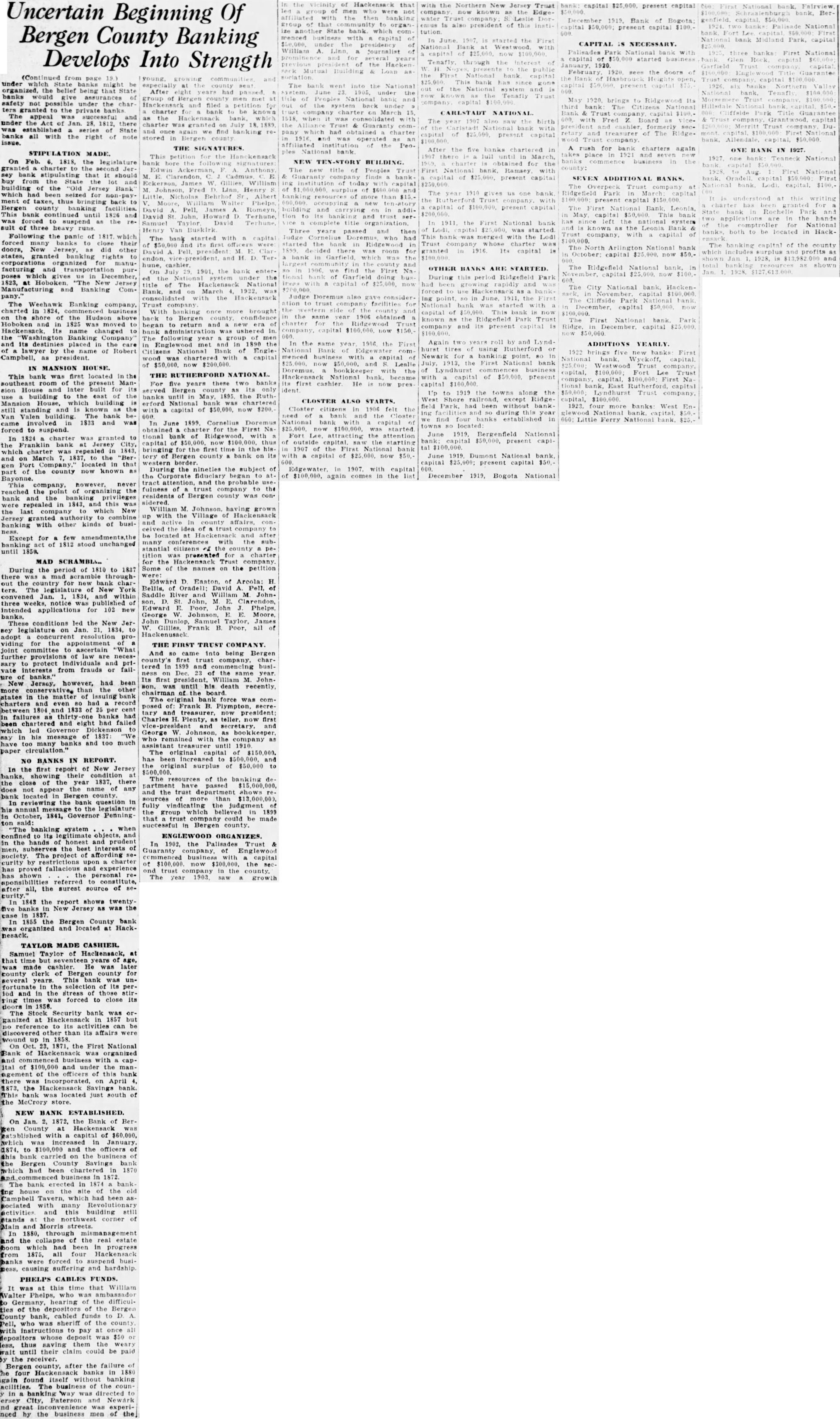
Former President of Bank of New Rockford Admits Embezzlement Charged ... Harry C. Sexton, formerly president of the Bank of New Rockford, which closed its doors and went into the hands of a receiver, was sentenced to serve two years ... pleaded guilty to the embezzlement of $9,500 from the Bank of New Rockford.
Source
newspapers
4. October 26, 1922 Other
Newspaper Excerpt
Sealed bids for the purchase of all the assets of the closed banks listed below will be received up to November 15, 1922: ... Bank of New Rockford, New Rockford, North Dakota. C. H. Reimers, receiver, Carrington.
Source
newspapers
5. June 9, 1923 Other
Newspaper Excerpt
Restraining order issued ... suit instituted by C. H. Reimers, receiver. Dispute over collateral put up by the now defunct Bank of New Rockford with the First National bank of Minneapolis, purchased by the Guaranty Fund Commission.
Source
newspapers

Newspaper Articles (11)

Article from The Bismarck Tribune, March 10, 1921

Click image to open full size in new tab

Article Text

LIEUT GOV. IS RECEIVER FOR PROSPER BANK 1119270 Receivers for four closed banks have been named by the banking board, O. E. Lofthus, state examiner, announced today. Those named are: Bank, of New Rockford-A. J. Nathan, of Bismarck. Scandinavian-American Bank of Fargo-L. C. Reed, of Fargo. Security State Bank of Columbus-Geo. Witty, of Columbus. Prosper State Bank of ProsperLieutenant-Governor Howard Wood.


Article from Grand Forks Herald, March 10, 1921

Click image to open full size in new tab

Article Text

Receivers Are Named For Four Closed Banks Bismarck, N. D., March 10.-Receivers for four closed banks have been named by the banking board, O. E. Lofthus, state examiner. announced today. Those named are: Bank of New Rockford-A. J. Nathan of Bismarck. of Scandinavian-American Bank Fargo-L. C. Reed of Fargo. Security State Bank of ColumbusGeo. Witty of Columbus. Prosper State Bank of ProsperLieutenant-Governor Howard Wood.


Article from The Bismarck Tribune, January 4, 1922

Click image to open full size in new tab

Article Text

WOULD APPOINT RECEIVER FOR EACH DISTRICT Proposal Made To Divide State Into Eight Banking Districts Tentative division of the state into eight banking districts has been made by the State Banking Board, the basis of the change being the hope that it will be possible to appoint a receiver in each of the districts to take charge of the closed banks in the area. While some of the - present receivers are holding their positions through court action, an appeal will be taken to the supreme court immediately for a final review of the statutes involved, and in the meantime the banks without receivers, or the banks where the re coivers have resigned, have been grouped. The divisions are tentative only and may be changed as conditions warrant. O. L. Engen of the Fargo District was the first of the receivers to be appointed and he has taken over the control of most of the banks in his district. The proposed groupings, listed by the names of the towns in which banks have been or are closed follows: Grand Forks District Grand Forks, Milton, Bathgate, Mowbray, Crocus. Fargo District Fargo, Prosper, Hatton, Edgeley, Jud, Cogswell, Crete. New Rockford District New Rockford, "Brantford, Kalum, Courtenay. Bismarck District Crystal Springs. Braddock, Pingree, Robinson, Leith, Timmer, Hazen. Bowman District Bowman, Haynes, Rhame, Marmath, Amidon. New England District New England, Havelock, Regent, Belfield, Beach, Killdeer.


Article from The Bismarck Tribune, February 4, 1922

Click image to open full size in new tab

Article Text

ALL DISTRICT RECEIVERS ARE NOW APPOINTED C. H. Reimers of Carrington is Named Head of New Rockford District Appointment of district receivers under which many closed banks are to be handled by a very few receivers was completed by the state banking board with the appointment of C. H. Re.niers, of Carrington, as receiver for the New Rockford district. This district embraces the following closed banks: Security State of Courtenay, Security State of Brantford, Farmers State of Walum, Bank of New Rockford, Citizens State Bank of Pingree. /There are a few banks which the banking board has not been able to include in its consolidation effort, which was undertaken to reduce ex penses and to obtain more efficient supervision of closed banks, according to members of the board. because a few receivers refused to resign - and obtained confirmation of their appointments by the courts. No change of receivers was made in some cases because there is said to be excellent prospect of the banks reopening. L. C. Vorbayda, of Lawton, and O. Eide, of Devils Lake, have been named deputy state examiners. Eide will be stationed at Jamestown.


Article from Grand Forks Herald, February 4, 1922

Click image to open full size in new tab

Article Text

Appointment Of Bank Receivers Completed Bismarck, N. D., Feb. ...Appointment of district receivers under which many closed banks are to be handled by a very few receivers was completed by the state banking board with the appointment of C. H. Reimers. of Carrington, as received for the New Rockford district. This districe embraces the following closed banks: Security State of Courtenay; Security State of Brantford; Farmers State of Walum; Bank of New Rockford; Citizens State bank of Pingree. There are a few banks which the banking board has not been able to include in its consolidation effort, which was undertaken to reduce expenses and to obtain more efficient supervision of closed banks, according to members of the board ,because a few receivers refused to resign and obtained confirmation of their appointment by the courts. No change of receivers was made in some cases because there is said to be excellent prospects of the banks reopening.


Article from The Bismarck Tribune, May 16, 1922

Click image to open full size in new tab

Article Text

SEXTON, BANKER, PLEADS GUILTY TO DEFALCATION Former President of Bank of New Rockford Admits Embezzlement Charged BANK IS NOW CLOSED Banker Sentenced to Serve Two Years in State Penitentiary By Coffey Jamestown, N. D., May 16.-Harry C. Sexton, fomerly president of the Bank of New Rockford, which closed its doors and went into the hands of a receiver, was sentenced to serve two years in the state penitentiary by Judge J. A. Coffey in district court. Sexton was brought here from New Rockford for sentence. The former bank president pleaded guilty to the embezzlement of $9,500 from the Bank of New Rockford. Sexton recently has been connected with a detective organization in Fargo. The charges were preferred by the states attorney at New Rockford, following examination of the closed bank by the receiver and other accountants, it is said.


Article from Grand Forks Herald, October 26, 1922

Click image to open full size in new tab

Article Text

LEGÁL NOTICES BANK ASSETS FOR SALE Sealed blds for the purchase of all the assets of the closed banks listed below will be received up to November 15, 1922: Farmers State Bank, Greene, North Dakota. W. E. Burgett, receiver, Flaxton. Citizens' State Bank, Edgeley, North Dakota. O. L. Engen, receiver, Fargo. State Bank of Milton, Milton, North Dakota. John Vallely, receiver, Grand Forks, First State Bank, Crystal Springs, North Dakota. H. B. Hanson, receiver, Crystal Springs. Bank of New Rockford, New Rockford, North Dakota. C. H. Reimers, receiver, Carrington. Peoples' State Bank. Leith, North Dakota. C. F. Kellogg, receiver, Bismarck. Peoples State Bank, Grand Forks, North Dakota. John Vallely, receiver, Grand Forks. Crocus State Bank, Crocus, North Dakota. Fred F. Walz, receiver, Egeland. Security State Bank, Courtenay, North Dakota. C. H. Reimers, receiver, Carrington. Prosper State Bank, Prosper. North Dakota. O. L. Engen. receiver, Fargo. Timmer State Bank, Timmer, North Dakota. C. F. Kellogg, receiver, Bismarck. Williston State Bank, Williston, North Dakota. G. R. Van Sickle, receiver, Minot. Citizens' State Bank, Pingree, North Dakota. C. H. Reimers, receiver, Carrington. Citizens' State Bank, Hazen, North Dakota. C. F. Kellogg, receiver, Bismarck. Security State Bank, Brantford, North Dakota. C. H. Reimers, receiver, Carrington. Bank of Leal, Leal, North Dakota. C. I. Buslee, special deputy examiner, Leal. Peoples' State Bank, Hatton. North Dakota. O. L. Engen, receiver, Fargo. Citizens' State Bank, Bathgate, North Dakota. John Vallely, receiver, Grand Forks. Sawyer State Bank, Sawyer, North Dakota. G. R. Van Sickle, receiver, Minot. Itemized lists of the assets are on file in the office of the state examiner at Bismarck, and with the receivers of the above banks. Bids should contain terms of payment and may include time certificates of deposit in going banks in the same community, all bids to be accompanied by certified check of one per cent of the amount of the bid. All bide should be addressed to Gilbert Semingson, state examiner, Bismarck, North Dakota, and the State Banking Board reserves the right to reject any and all bids. (Herald Oct. 26-27; Nov. 2-3.)


Article from Grand Forks Herald, November 3, 1922

Click image to open full size in new tab

Article Text

LEGAL NOTICE BANK ASSETS FOR SALE Sealed bids for the purchase of all the assets of the closed banks listed below will be received up to November 15, 1922: Farmers State Bank, Greene, North Dakota. W. E. Burgett, receiver, Flaxton. Citizens' State Bank, Edgeley. North Dakota. O. L. Engen, receiver, Fargo. State Bank of Milton. Milton, North Dakota. John Vallely, receiver, Grand Forks. First State Bank, Crystal Springs, North Dakota. H. B. Hanson, receiver, Crystal Springs. Bank of New Rockford. New Rockford, North Dakota. C. H. Reimers, receiver, Carrington. Peoples' State Bank, Leith. North Dakota. C. F. Kellogg. receiver. Bismarck. Peoples State Bank, Grand Forks, North Dakota. John Vallely, receiver, Grand Forks. Crocus State Bank, Crocus, North Dakota. Fred F. Walz, receiver. Egeland. Security State Bank, Courtenay, North Dakota. C. H. Reimers, receiver, Carrington. Prosper State Bank, Prosper. North Dakota. O. L. Engen. receiver, Fargo. Timmer State Bank, Timmer. North Dakota. C. F. Kellogg. receiver, Bismarck. Williston State Bank, Williston. North Dakota. G. R. Van Sickle, receiver, Minot. Citizens' State Bank, Pingree, North Dakota. C. H. Reimers, receiver, Carrington. Citizens' State Bank, Hazen. North Dakota. C. F. Kellogg, receiver, Bismarck. Security State Bank, Brantford, North Dakota. C. H. Reimers, receiver, Carrington. Bank of Leal. Leal, North Dakota. C. I. Buslee, special deputy examiner, Leal. Peoples' State Bank, Hatton, North Dakota. O. L. Engen, receiver, Fargo. Citizens' State Bank, Bathgate, North Dakota. John Vallely, receiver, Grand Forks. Sawyer State Bank, Sawyer, North Dakota. G. R. Van Sickle, receiver, Minot. Itemized lists of the assets are on file in the office of the state examiner at Bismarck, and with the receivers of the above banks. Bids should contain terms of payment and may include time certificates of deposit in going banks in the same community, all bids to be accompanied by certified check of one per cent of the amount of the bid. All bids should be addressed to Gilbert Semingson, state examiner, Bismarck, North Dakota, and the State Banking Board reserves the right to reject any and all bids. (Herald Oct. 26-27; Nov. 2-3.)


Article from The Bismarck Tribune, June 9, 1923

Click image to open full size in new tab

Article Text

RESTRAINING ORDER ISSUED Judge J. A. Coffey has issued a restraining order, returnable July 2, against the Guaranty Fund Commission to prevent it from disposing of notes and other collateral put up by the now defunct Bank of New Rockford with the First National bank of Minneapolis and which was purchased by the commission for $3,500. The suit was instituted by C. H. Reimers, receiver. The receiver and commission disputed the use to which the collateral was to be put. The commission bought the collateral to prevent a sacrifice under foreclosure, Reimers says the commission claims ownership of the collateral while it should be the bank's property.


Article from The Bismarck Tribune, October 14, 1924

Click image to open full size in new tab

Article Text

200 BANKS IN N. D. SAVED BY GUARANTYBODY Claim Is Made That Closings Might Have Been Much Greater in North Dakota EXPLAINED CHARGES Members Had Collateral Bought to Conserve it For Closed Bank, Declaration With good crops in the state, deposits in banks increasing and individuals paying off debts, the banking situation has about righted itself, according to members of the Depositors Guaranty Fund Commission. With this situation existing there has been divulged by members of the commission many of the actions taken during the long period of anxiety in the state, and answers made to wide-flung charges of carelessness and dishonesty. The policies pursued by the commission, it is asserted by C. B. McMillan of Hannah, a member, probably prevented 200 to 250 additional bank in same policies closings resulted the in state. preventing The foreclosure proceedings against thousands of farmers in the state, who would have been driven from their homes, he asserts. The Depositors Guaranty Fund has not been wasted, and although the commission used some of the funds, under the law, to help conserve assets and prevent closings, virtually every dollar of the fund is intact, for the benefit of all depositors of closed banks, it is declared. of of of the Charges collateral corruption Bank in Bank the of New sale and Rockford, Williston State Sawyer State Bank were made under a misapprehension, with the commisto conserve the which now sion banks, acting is collateral in the hands for of the receiver of the banks, it is asserted. The Guaranty Fund Commission is composed of Governor Nestos, exofficio chairman, C. R. Green, manof the ex-officio ager member, Bank of Gilbert North Seming- Dakota, son, state examiner, ex-officio secretary, C. B. McMillan of Hannah and S. G. Severtson of Minot. M. R. |Porter of Minot formerly was a member. Preventing Closings One of the greatest accomplishments claimed by the commission for itself and other state officials was the agreement announced Satwill urday return whereby over-plus Twin collateral Cities banks to closed North Dakota banks. One of the main problems of the commission for the last 18 months was the prevention of bank closings and foreclosures. that from 200 to 250 were closings "I believe prevented by negotiations and offering to allow the bills to renew payable by holders with the and extend collateral, and conthe receiver to comsent promises," of declared Mr. McMillan. effect banks the chief who The were big outside bills foreclose the payable state holders didn't want to on notes held, the North they Dawota but farmers under the whose law if the other anyone than granted original made an maker-the extension to North notes originally were Dakota banks who borrowed from other banks and gave the notes as collateral security-the security holder became the owner of the note and could have no recourse on the North Dakota bank, it is explained This could be avoided in cases were where here. there the receiverships consent of the of banks by getting receivers. The Guaranty Fund Commission, cooperating in this manner, (Continued on page 3)


Article from The Bismarck Tribune, October 14, 1924

Click image to open full size in new tab

Article Text

# 200 BANKS IN # N. D. SAVED BY # GUARANTY BODY (Continued from page one.) was able to prevent the foreclosure of thousands of farmers, and as a result many more thousands of bushels of grain were raised in the state this year, it is declared. Concentration Needed In this situation is seen by members of the Guaranty Fund Commission one of the big justifications for the bank administration law of 1923, which gave the jurisdiction of closed banks to the supreme court. It would have been wholly impossible to deal with the situation with 100 receivers and 16 district judges, it is asserted. With L. R. Baird as general receiver of closed banks, much could be done in this matter. A considerable amount of the Guaranty Fund was left with the individual banks, until it should be called for, for distribution. Some of these banks closed. The money helped others to weather the storm of financial depression by keeping up their reserve. Under the law, also, the Guaranty Fun Commission could use this money to protect assets of closed banks, by buying collateral. Under the law, the Guaranty Fund has a first lien on all assets of closed banks, to pay in the assessment to the Guaranty Fund. Receiver Baird has recognized this obligation, and the commission, therefore, will not have lost money by reason of banks closing, it is declared. The commission acquired some collateral, and this is being liquidated, so that it also will lose little, if any money, in this respect, it is asserted by members. Another charge was made that collateral of the Bank of New Rockford, Sawyer State Bank and Williston State Bank was sold at ridiculously low figures, and that members of the Guaranty Fund Commission bought it in for their own use. It now develops that the Guaranty Fund Commission, according to members, either bought this collateral itself or had its agents buy it, to conserve it for the defunct banks, and when the general receiver, L. R. Baird was named, it was all turned over to him. ## The Collateral Sales Members of the Guaranty Fund Commission had steadfastly refused to enter into controversy over charges made against it, one member declaring months ago he "didn't have to prove I am not stealing." Charges of fraud made long ago, called specifically to the attention of Mr. McMillan, a member of the commission a few days ago, were met by a reference to the books of the Guaranty Fund Commission, which shows that the collateral from the three banks at New Rockford, Williston and Sawyer, which was bid in for the commission, was turned over to the receiver on December 18, 1923, before many of the charges of corruption were made and soon after L. R. Baird became general receiver. The resolution shows the collateral was turned over to the receiver in return for reimbursement on the net value of the investment. Instead of looting the banks, commission members say, they saved the depositors of these closed banks large sums of money. The Guaranty Fund Commission would like to have been able to buy up more collateral than it did, when sales were forced and large blocks of farmers' notes were sold cheaply. It was privileged under the law to apply the funds it had for this purpose, but could not have used all of them, or it would have been diverting them from the purpose for which they were raised, according to Mr. McMillan. With conditions as they are now, the commission does not expect to have to invest funds again.